In Pictures: Museum of History opens revamped ‘Hong Kong Story’ exhibition with new focus on China ‘roots’
The Hong Kong Museum of History has reopened its permanent exhibition with a new theme on the city’s shared “roots” with mainland China, nearly six years after it was closed for a revamp. The government announced the reopening of “Hong Kong Story” in a statement on Wednesday. “While telling the local story, the revamped exhibition […]
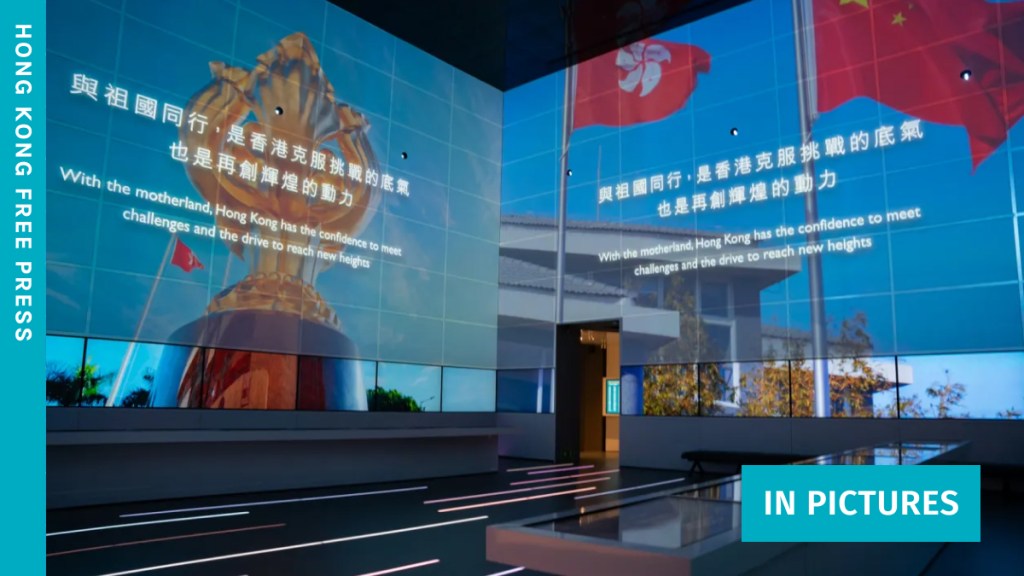
The Hong Kong Museum of History has reopened its iconic “Hong Kong Story” exhibition with a revamped focus on the city’s shared historical roots with mainland China. The government announced the reopening in a statement on Wednesday, marking the completion of a nearly six-year renovation project. The new exhibition, which now spans 13 galleries, aims to tell the local story while emphasizing Hong Kong’s role as a “hub” that connects its Chinese heritage with its international metropolis status.
The revamped “Hong Kong Story” exhibition, located in the museum’s Tsim Sha Tsui premises, has shifted its approach from a purely chronological presentation to one that revolves around four major themes. These themes include “Roots of Culture,” “East Meets West,” “Hong Kong in Transition,” and “Hong Kong in the Modern World.” This redesign not only updates the narrative but also recontextualizes historical events, such as the ceding of Hong Kong Island to the British in 1841, which is now described as a “forcible seizure” rather than a simple transfer.
The “Roots of Culture” theme highlights artefacts that underscore Hong Kong’s deep-rooted connection to Chinese civilization. The exhibition showcases a range of historical objects, from ancient ceramics to traditional calligraphy, to illustrate the city’s cultural lineage with the motherland since ancient times. This section aims to reinforce the idea that Hong Kong’s identity is intrinsically tied to its Chinese heritage.
The “East Meets West” section further explores the dynamic interplay between Chinese and Western influences in Hong Kong’s history. While acknowledging the impact of Western colonialism, the exhibition emphasizes that these exchanges were always grounded in Chinese cultural traditions. This dual perspective is intended to provide a more nuanced understanding of the city’s development, reflecting its unique position as a bridge between East and West.
One of the most striking additions to the revamped exhibition is the inclusion of a statue of Lin Zexu, a Qing dynasty official renowned for his role in the First Opium War. The museum describes Lin Zexu as representing a “courageous stand against injustice,” highlighting his significance in shaping Hong Kong’s historical narrative. This inclusion serves as a reminder of the complex dynamics between China and foreign powers, particularly during the 19th century.
The revamp also addresses the handover of Hong Kong in 1997, a pivotal moment in the city’s history. The new exhibition delves into the political and social changes that ensued, offering a fresh perspective on the transition from British colonial rule to Chinese sovereignty. By presenting these events in a broader context, the “Hong Kong Story” aims to provide visitors with a comprehensive understanding of the city’s past and its ongoing evolution.
The curator of the exhibition, Osmond Chan, stated that the revamp was driven by a desire to “tell a more inclusive and dynamic story” that reflects Hong Kong’s multifaceted identity. He emphasized the importance of acknowledging the city’s Chinese roots while also celebrating its global connections. The updated exhibition is expected to attract a wider audience, including both locals and tourists, who can now explore Hong Kong’s history through a more engaging and thought-provoking lens.
The reopening of the “Hong Kong Story” exhibition marks a significant milestone in the city’s cultural landscape. By reimagining its permanent display, the Hong Kong Museum of History is not only preserving its historical legacy but also adapting to the changing times. The revamp underscores the museum’s commitment to fostering a deeper understanding of Hong Kong’s past, while also reflecting its aspirations for the future. As visitors navigate the revitalized galleries, they are invited to rediscover the city’s rich heritage and its enduring ties to the Chinese mainland.