In Pictures: Museum of History opens revamped ‘Hong Kong Story’ exhibition with new focus on China ‘roots’
The Hong Kong Museum of History has reopened its permanent exhibition with a new theme on the city’s shared “roots” with mainland China, nearly six years after it was closed for a revamp. The government announced the reopening of “Hong Kong Story” in a statement on Wednesday. “While telling the local story, the revamped exhibition […]
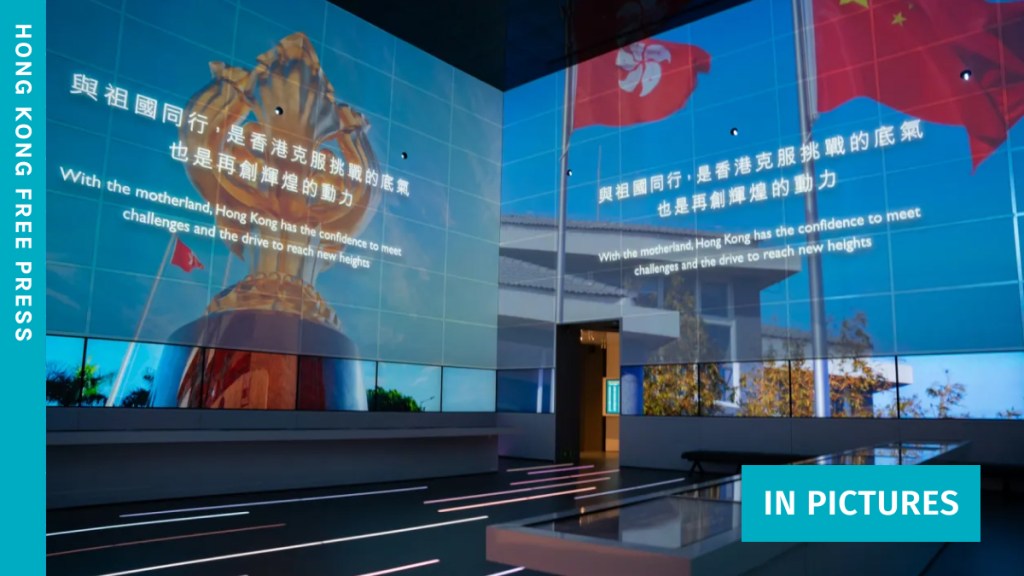
The Hong Kong Museum of History has reopened its flagship exhibition, "Hong Kong Story," with a revamped focus on the city's shared historical roots with mainland China. The government announced the reopening in a statement on Wednesday, marking the completion of a nearly six-year renovation project. The new exhibition, which was previously presented in chronological order, now revolves around four major themes spread across 13 galleries, offering a fresh perspective on Hong Kong's history.
The revamped "Hong Kong Story" aims to tell the local story while also emphasizing Hong Kong's role as a "hub" in global history. The exhibition highlights the city's shared roots with the motherland, exploring its historical development and connections with the world as an international metropolis. Curator Osmond Chan noted that the revamp aims to provide a more comprehensive understanding of Hong Kong's identity, rooted in both its local and broader Chinese cultural heritage.
The first theme, "Roots of Culture," showcases artefacts that demonstrate Hong Kong's deep connection to Chinese civilization. The exhibition argues that the city has shared a cultural lineage with mainland China since ancient times. Visitors can explore exhibits that illustrate the influence of Chinese traditions and values on Hong Kong's social, economic, and political development.
The second theme, "East Meets West," explores the dynamic interplay between Chinese and Western influences in Hong Kong's history. The exhibition presents a nuanced view of the city's interactions with both Chinese and Western powers, emphasizing how these exchanges have shaped its unique identity. By grounding the narrative in Chinese cultural traditions, the exhibition seeks to highlight the enduring significance of China's influence on Hong Kong's development.
One of the most striking changes in the revamped exhibition is its portrayal of the Opium Wars and the cession of Hong Kong Island to the British in 1841. While the old exhibition referred to the event as a "ceded" territory, the new display describes it as a "forcible seizure." This revisionist approach underscores the museum's commitment to presenting a more critical and nuanced view of Hong Kong's history, particularly in relation to its interactions with external powers.
A central feature of the exhibition is a statue of Lin Zexu, a Qing dynasty official renowned for his role in the First Opium War. The museum describes Lin Zexu as representing the "resistance against injustice and the protection of national interests." By featuring Lin Zexu prominently, the exhibition seeks to reframe the Opium Wars as a conflict rooted in China's struggle to defend its sovereignty and cultural identity.
The revamped "Hong Kong Story" also includes new displays that explore the city's post-handover era, highlighting its continued evolution as a global financial hub and cultural melting pot. The exhibition's curators have worked to create an immersive and engaging experience, incorporating multimedia elements and interactive installations to bring Hong Kong's history to life.
The reopening of the "Hong Kong Story" exhibition has been widely anticipated, with many residents and tourists eager to see the new displays. The revamp has been seen as an opportunity to reevaluate and reinterpret Hong Kong's history in light of contemporary geopolitical tensions and societal changes. As the museum continues to evolve, it remains a vital institution for understanding the city's complex past and shaping its future.
In conclusion, the revamped "Hong Kong Story" exhibition at the Hong Kong Museum of History offers a fresh and nuanced perspective on the city's history, emphasizing its shared roots with mainland China and its role as a global hub. By reinterpreting key historical events and highlighting the enduring influence of Chinese culture, the exhibition seeks to provide a more comprehensive and inclusive understanding of Hong Kong's identity. As visitors explore the new displays, they are invited to reflect on the city's past and consider its place in the world today.