In Lebanon, more than 50 medics have been killed by Israel. Some say they're targeted
Lebanon says at least 54 health workers are among more than 1,400 people killed by Israel during the current invasion. Human rights groups say first responders are being targeted — something Israel denies.
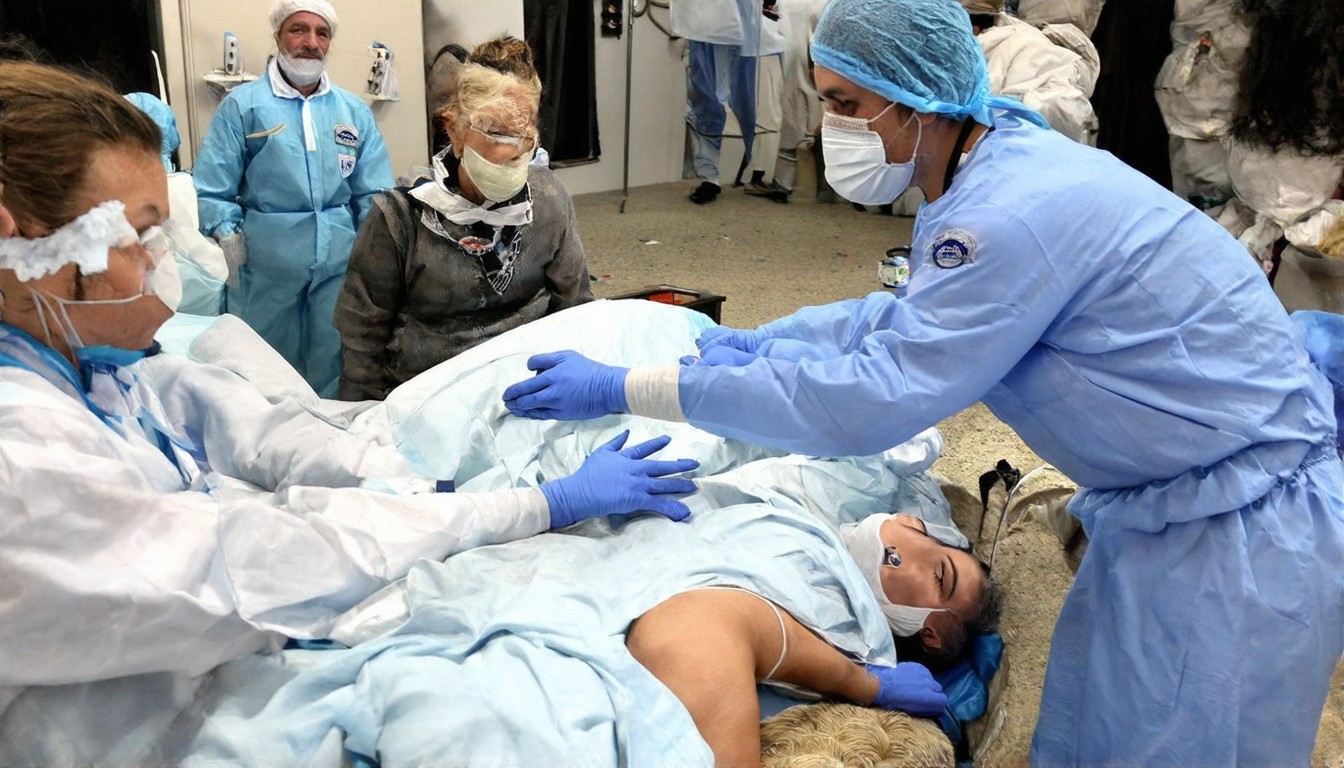
In the ongoing conflict between Israel and Lebanon, the tragic toll on Lebanese civilians has reached alarming levels, with at least 54 health workers confirmed dead among more than 1,400 total casualties. As the situation on the ground continues to deteriorate, human rights organizations are raising concerns that medical personnel, including first responders, are being deliberately targeted by Israeli forces. Israel, however, denies these allegations, insisting that its military actions are aimed solely at neutralizing terrorist threats.
The Lebanese Ministry of Health has documented the deaths of 54 health workers since the start of the conflict, a figure that underscores the catastrophic humanitarian crisis facing the nation. These medical professionals, who are often the first to respond to emergencies, have been caught in the crossfire, with many killed while attempting to provide care to the wounded. The high number of health care workers among the casualties has raised serious questions about the legitimacy of their status as protected individuals under international humanitarian law.
Human rights groups, including Amnesty International and Physicians for Human Rights, have accused Israel of deliberately targeting medical personnel, a claim that would constitute a war crime under the provisions of the Geneva Conventions. These organizations argue that the disproportionate number of health workers killed suggests a pattern of intentional attacks on first responders, who are marked by their uniforms, vehicles, and facilities. They point to instances where ambulances and medical centers have been targeted, further fueling suspicions of systematic targeting.
Israel, on the other hand, has firmly denied these allegations, stating that its military operations are carefully planned to avoid civilian casualties. Israeli officials argue that the high number of health workers among the dead is a tragic consequence of the conflict rather than a deliberate targeting strategy. They maintain that their primary objective is to dismantle Hezbollah's infrastructure and neutralize its capabilities, and that medical personnel are inadvertently caught in the crossfire.
Despite Israel's denials, the mounting evidence of attacks on health workers has prompted international pressure and calls for an independent investigation into the matter. The United Nations and other international bodies have urged all parties to adhere to their obligations under international humanitarian law, emphasizing the need to protect medical personnel and civilian populations.
The situation in Lebanon is further complicated by the country's existing fragility, which has been exacerbated by years of political instability and economic collapse. The current conflict has placed an immense burden on the already strained healthcare system, with hospitals and clinics struggling to cope with the influx of wounded and the loss of medical staff. This has raised concerns about the long-term consequences of the conflict on Lebanon's ability to provide essential healthcare services to its population.
As the conflict continues, the plight of Lebanon's health workers and civilians remains a focal point for humanitarian organizations and the international community. The allegations of targeted attacks on medical personnel highlight the urgent need for all parties to prioritize the protection of civilian lives and adhere to the principles of international humanitarian law. The situation in Lebanon serves as a stark reminder of the human cost of armed conflict and the critical role that medical professionals play in mitigating its devastating effects.