
In Japan, the robot isn’t coming for your job; it’s filling the one nobody wants
Driven by labor shortages, Japan is pushing physical AI from pilot projects into real-world deployment.
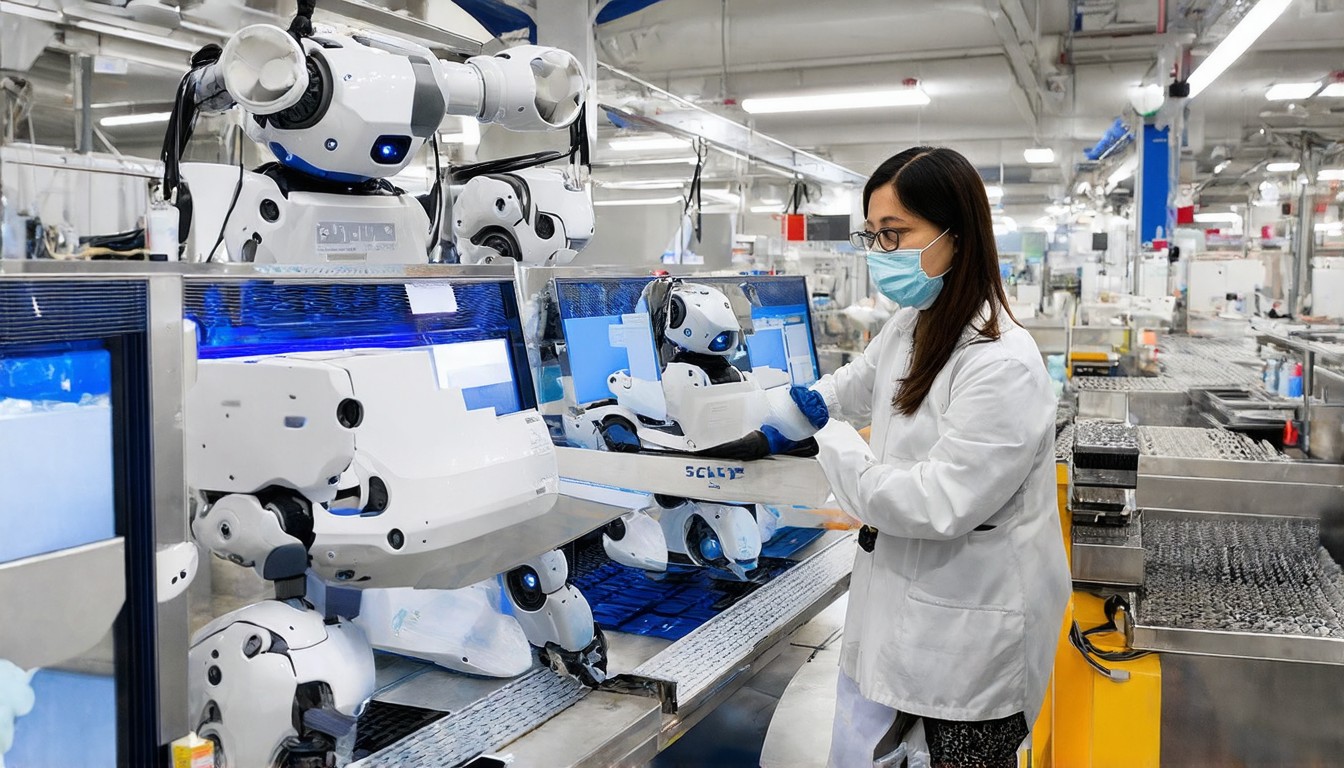
In Japan, the robot isn’t coming for your job; it’s filling the one nobody wants. As the country grapples with an aging population and a shrinking workforce, labor shortages have become a pressing issue. To address this, Japan is accelerating the deployment of physical AI, or robots designed to perform tasks that were previously handled by human workers. These machines are not just a distant future vision but are already being integrated into various industries, from manufacturing to healthcare.
The push towards physical AI is driven by the need to fill jobs that are often seen as undesirable or dangerous. Many young people in Japan are opting for white-collar careers, leaving behind the physical labor market. This has created a vacuum in sectors such as construction, agriculture, and logistics, where tasks like heavy lifting, repetitive work, and working in harsh environments are common. Robots, with their ability to work continuously without fatigue or injury, are seen as a viable solution to this problem.
One of the most prominent examples of physical AI in Japan is the use of robots in agriculture. Farmers are increasingly turning to machines like the "Agribot," which can perform tasks such as planting, weeding, and harvesting. These robots are equipped with sensors and artificial intelligence to navigate fields and make decisions based on real-time data. By automating these labor-intensive tasks, they help to alleviate the pressure on a dwindling number of farm workers.
Similarly, in the construction industry, robots are being used to perform tasks that are both physically demanding and risky. Companies like Kawasaki Heavy Industries are developing robots capable of handling heavy materials and performing complex operations. These machines can work in environments that are unsafe for humans, such as in the aftermath of disasters or in areas with high radiation levels. By taking over these roles, they not only increase safety but also allow human workers to focus on more strategic tasks.
The healthcare sector is another area where physical AI is making strides. In hospitals and nursing homes, robots are assisting with tasks like delivering meals, transporting patients, and monitoring their health. These machines can provide consistent care and support, which is particularly valuable in an aging society where the demand for healthcare services is on the rise. Moreover, they can help to reduce the workload on human staff, allowing them to focus on more critical aspects of patient care.
However, the adoption of physical AI is not without its challenges. One of the main concerns is the potential impact on employment. While robots are not replacing all human workers, they are certainly changing the nature of certain jobs. There is a risk that workers in these sectors may face job displacement, which could lead to social and economic issues. To mitigate this, the Japanese government is investing in reskilling programs to help workers transition to new roles that are more in demand.
Another challenge is the high cost of implementing physical AI systems. Robots can be expensive to purchase and maintain, which may be a barrier for smaller businesses. To address this, the government is offering incentives and subsidies to encourage companies to adopt these technologies. Additionally, advancements in technology are making robots more affordable and accessible, making it easier for businesses of all sizes to integrate them into their operations.
Despite these challenges, the potential benefits of physical AI are significant. By filling the gaps left by a shrinking workforce, these machines can help to sustain Japan's economy and maintain its high standard of living. Moreover, they can improve efficiency, reduce errors, and enhance safety in various industries. As the country continues to push the boundaries of physical AI, it is setting a precedent for how other nations might approach labor shortages in the future.
In conclusion, Japan's embrace of physical AI is not a threat to jobs but rather a response to a pressing need. By filling the roles that are often overlooked or avoided, these machines are helping to keep the economy afloat and ensuring that essential services are provided. While there are challenges to overcome, the long-term benefits of this approach are clear. As Japan leads the way in this technological shift, it is paving the path for a future where humans and machines work side by side, each filling the gaps left by the other.









