
In Iran, air power fails America once again
Even advancements in AI couldn't make the tactic work
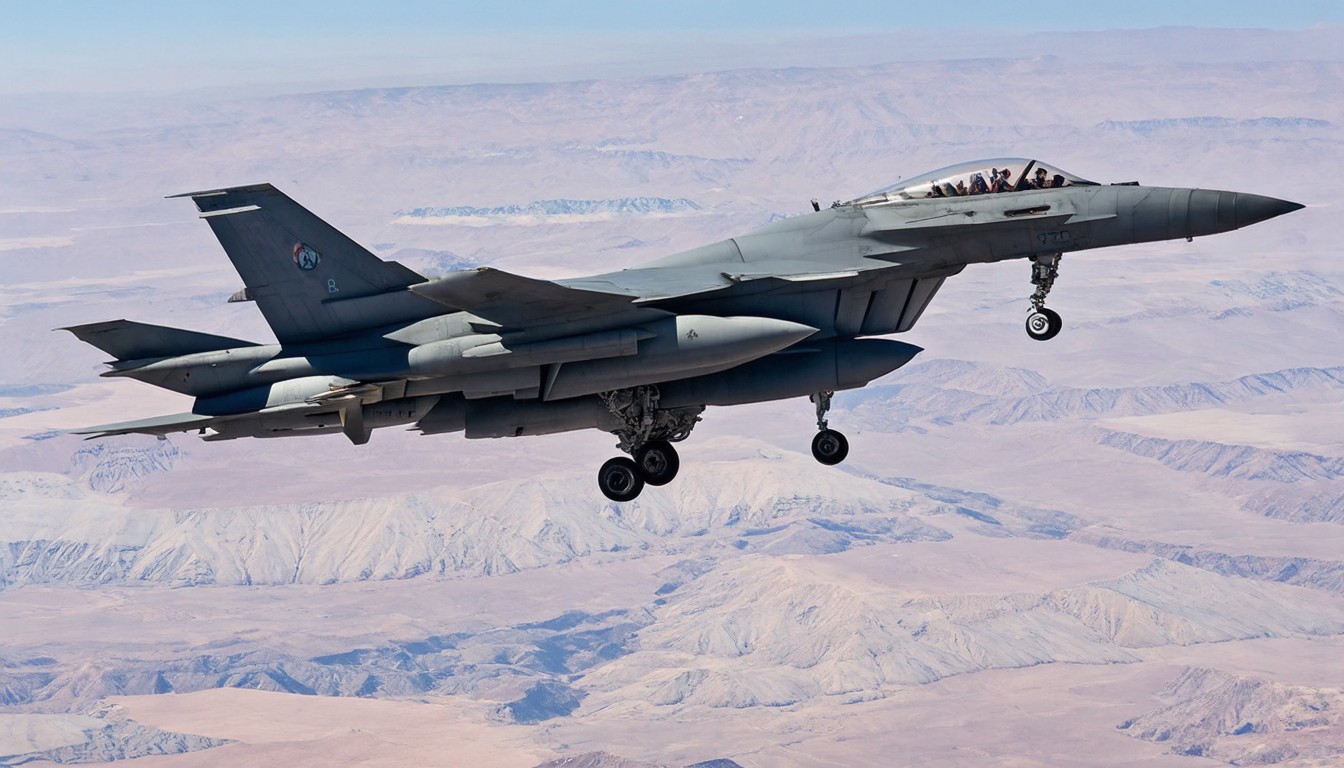
In Iran, air power fails America once again, a trend that has persisted for over seven decades. The current conflict, marked by strategic bombing and missile strikes, reflects a troubling reliance on a tactic that has consistently underperformed in achieving its objectives. From the Korean War to the present day, American strategic air campaigns have often left ground forces stalemated or even strengthened adversaries, rather than weakening them.
The Korean War, fought in the early 1950s, saw extensive bombing campaigns targeting Pyongyang and other cities. Hundreds of thousands of civilians were killed, yet the conflict dragged on for years, resulting in a bloody stalemate. Despite the massive aerial bombardment, the North Korean forces remained resilient, and the war ended in a draw. This failure to achieve a decisive victory through air power set a precedent that would be repeated in future conflicts.
The Vietnam War further highlighted the limitations of strategic bombing. Despite years of intense aerial campaigns, the North Vietnamese forces were able to maintain their momentum on the ground, ultimately leading to the fall of Saigon and the unification of Vietnam under communist rule. The inability of air power to break the back of the enemy underscored the challenges of waging war from the skies alone.
In more recent history, the 2003 invasion of Iraq, famously dubbed the "shock and awe" campaign, relied heavily on air power to dismantle Saddam Hussein's regime. However, the bombing failed to prevent the rise of an insurgency that would plague the country for years, with remnants of the rebellion still causing instability in regions like Anbar. Similarly, the prolonged air campaign in Afghanistan, which lasted for nearly two decades, was unable to defeat the Taliban, who eventually reclaimed power in Kabul.
Despite this checkered history, the Trump administration and Pentagon leaders were convinced that air attacks alone could defeat Iran. The decision to prioritize strategic bombing over ground operations was rooted in the belief that history would repeat itself, and that air power could achieve a swift and decisive victory. However, the lessons of the past should have been a cautionary tale, reminding policymakers of the complexities of modern warfare and the challenges of waging effective campaigns from the skies.
The failure of air power in Iran is not merely a reflection of technological limitations but also a testament to the evolving nature of modern conflicts. Adversaries like Iran have developed sophisticated air defense systems, making it increasingly difficult for strategic bombing to achieve its intended goals. Additionally, the reliance on air power often neglects the importance of ground forces and special operations, which can be crucial in achieving strategic objectives.
The current conflict in Iran serves as a stark reminder of the limitations of air power and the need for a more comprehensive approach to military strategy. As the world watches the unfolding events, it is clear that relying solely on bombing campaigns is not a viable path to success. The lessons of the past must be heeded, and a more nuanced understanding of modern warfare is required to achieve meaningful results on the battlefield.
In conclusion, the failure of air power in Iran is not an isolated incident but rather a continuation of a troubling trend that has persisted for decades. The reliance on strategic bombing, despite its well-documented shortcomings, highlights the challenges of adapting to the complexities of modern warfare. As the world continues to grapple with conflicts that demand innovative and effective strategies, the lessons of the past must be carefully considered to avoid repeating the same mistakes. Only by acknowledging the limitations of air power and embracing a more comprehensive approach can military leaders hope to achieve their objectives in today's complex battlefields.









