In a win for 14 states, Trump must release Biden-era EV charger funding
A federal judge Tuesday ordered the Trump administration to release billions of dollars in funding for the build out of electric vehicle chargers in more than a dozen states. U.S. District Judge Tana Lin in Washington state partially granted a preliminary injunction that sought to free up the money approved under then-President Joe Biden that the Trump administration withheld earlier this year. Sixteen states and the District of Columbia sued over the move, arguing that the administration did not have the authority to block the congressionally approved funds. The program was set to allocate $5 billion over five years to various states, of which an estimated $3.3 billion had already been made available. Lin ordered that funding be released in 14 of the states, including in Arizona, California and New York. But she denied granting the preliminary injunction for D.C., Minnesota and Vermont, saying that they did not provide enough evidence that they would face “irreparable harm” if the money wasn’t immediately freed up. Lin said the Trump administration overstepped its constitutional authority when it froze the funding previously approved by Congress in 2021 as part of the Bipartisan Infrastructure Law. “When the Executive Branch treads upon the will of the Legislative Branch, and when an administrative agency acts contrary to law, it is the Court’s responsibility to remediate the situation and restore the balance of power,” she wrote. The order will go into effect July 2 unless the Trump administration appeals. The Federal Highway Administration did not immediately respond
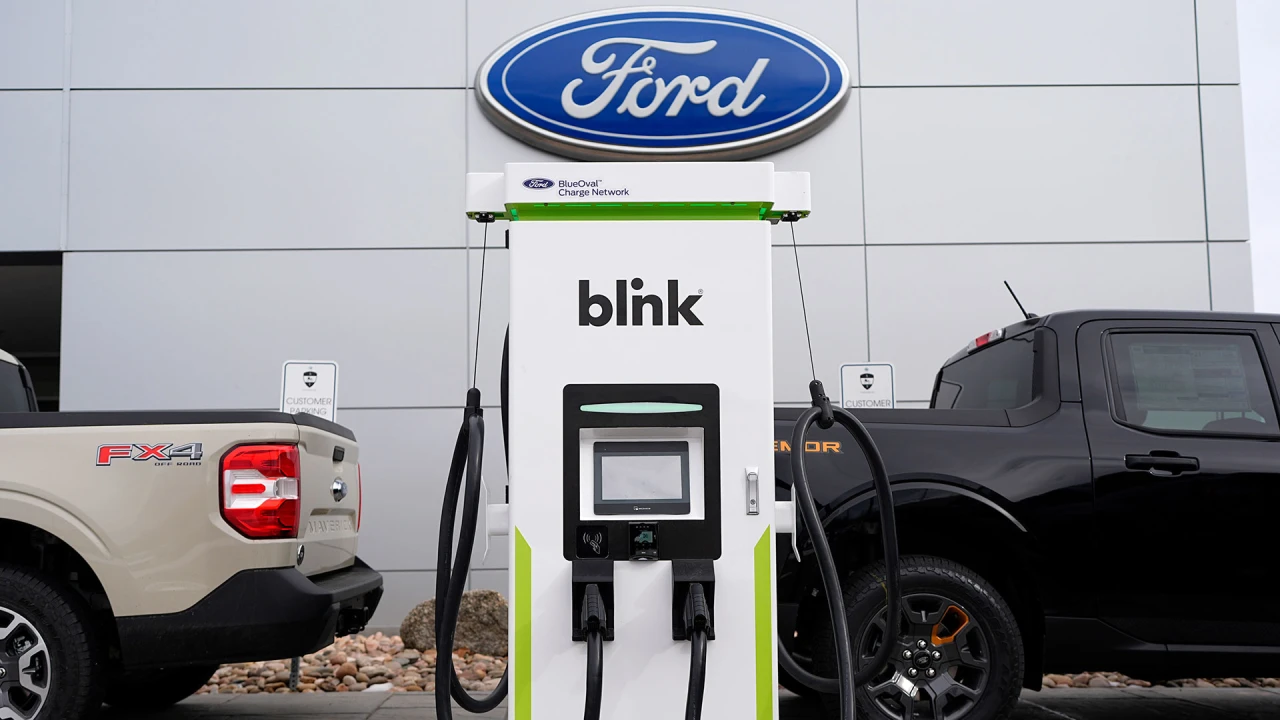
A federal judge has ordered the Trump administration to release billions of dollars in funding for the expansion of electric vehicle (EV) chargers in 14 states, marking a significant legal victory for those states and a setback for the administration's efforts to curb Biden-era environmental policies. U.S. District Judge Tana Lin in Washington state partially granted a preliminary injunction that sought to free up the money approved under former President Joe Biden, which the Trump administration had withheld earlier this year.
The decision comes after 16 states and the District of Columbia sued the administration, arguing that it did not have the authority to block the congressionally approved funds. The program, established as part of the Bipartisan Infrastructure Law passed in 2021, was designed to allocate $5 billion over five years to various states for the development of EV charging infrastructure. Of this amount, an estimated $3.3 billion had already been made available.
Judge Lin ruled that the funding should be released in 14 of the states, including Arizona, California, and New York. However, she denied granting the preliminary injunction for Washington, D.C., Minnesota, and Vermont, stating that these entities did not provide sufficient evidence that they would face "irreparable harm" if the money was not immediately freed up. Lin's ruling emphasized that the Trump administration overstepped its constitutional authority when it froze the funding previously approved by Congress.
"When the Executive Branch treads upon the will of the Legislative Branch, and when an administrative agency acts contrary to law, it is the Court's responsibility to remediate the situation and restore the balance of power," Judge Lin wrote in her decision. The order will take effect on July 2 unless the Trump administration decides to appeal the ruling. The Federal Highway Administration, which oversees the program, did not immediately respond to an email request for comment on the decision.
The Trump administration's decision to direct states to stop spending money for electric vehicle charging under the program in February was part of a broader effort by the Republican president to roll back environmental policies advanced by his Democratic predecessor. The states suing the administration argued that the administration's actions were unlawful and that the funding should be released to support the growth of EV infrastructure, which is critical for the nation's transition to cleaner energy and reducing greenhouse gas emissions.
This ruling is a significant win for the 14 states involved, as it ensures that the funding approved by Congress can be used to advance the development of EV charging stations. The decision also underscores the judiciary's role in checking the actions of the executive branch when it appears to be acting outside its constitutional authority. The outcome of the case could have broader implications for other policies enacted during the Biden administration that the Trump administration seeks to reverse.
In the meantime, the affected states will likely proceed with the allocation of the funds to support the expansion of EV charging infrastructure. This development is expected to benefit both EV owners and the broader transportation sector by making it easier and more convenient for people to charge their electric vehicles, thereby encouraging the adoption of cleaner transportation options. The ruling also sends a message to the Trump administration about the limits of its power to undo legislative actions taken by Congress.
As the administration considers whether to appeal the decision, the 14 states involved will likely welcome the release of the funding, which has been withheld for several months. The case highlights the ongoing tensions between the executive and legislative branches over policy decisions, particularly those related to environmental protection and infrastructure development. The outcome of this legal battle will be closely watched, as it could set a precedent for how the judiciary handles disputes over the implementation of congressionally approved programs.