Improving health literacy and patient well-being
Lifespan uses GPT-4 to radically improve health literacy and patient outcomes.
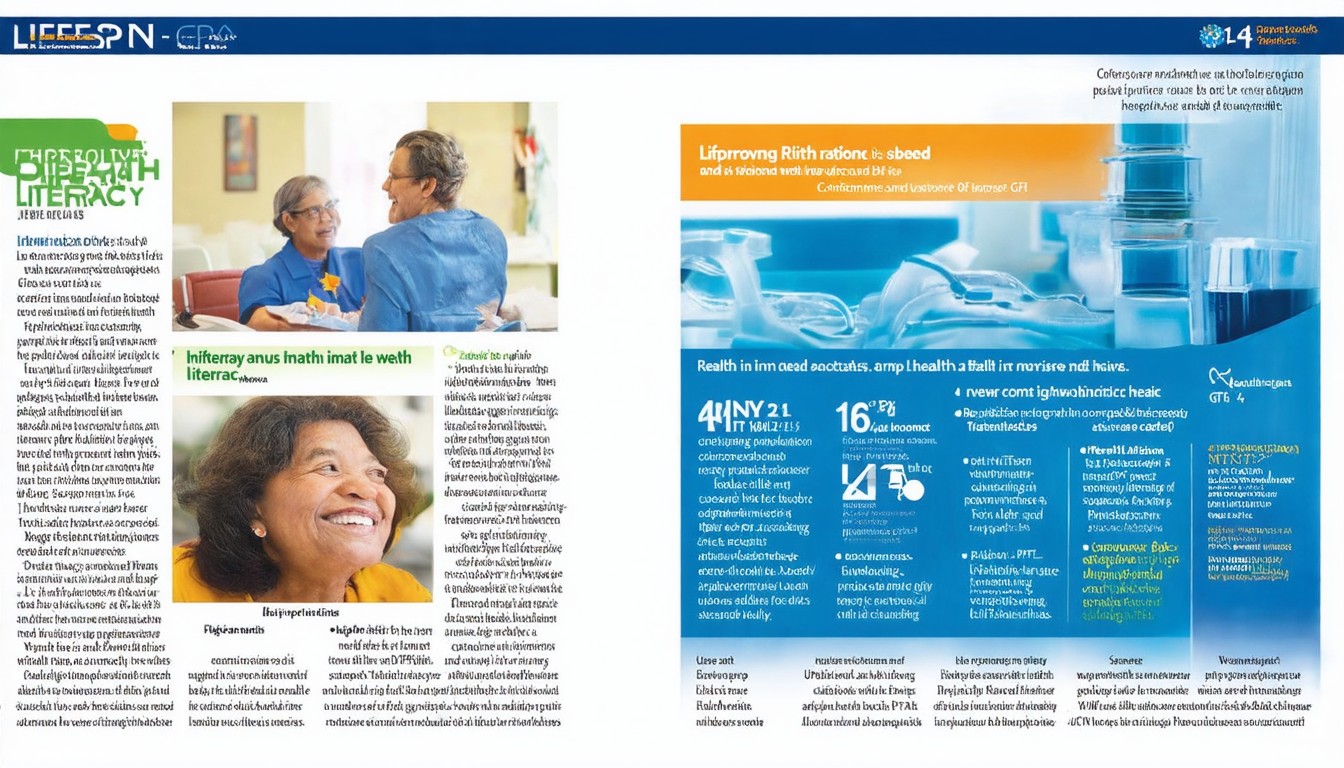
In recent years, the healthcare industry has increasingly recognized the importance of health literacy—the ability of patients to understand and navigate the complex system of medical information. Poor health literacy can lead to misunderstandings about treatment plans, adherence to medications, and overall patient well-being. Recognizing this challenge, Lifespan, a leading healthcare provider, has embraced cutting-edge technology to address these issues. By leveraging the capabilities of GPT-4, an advanced artificial intelligence model, Lifespan has implemented innovative solutions that are transforming the way patients engage with their healthcare.
GPT-4, developed by OpenAI, is known for its natural language processing abilities, which allow it to generate human-like text and understand complex queries. Lifespan has integrated this technology into its patient communication systems, enabling healthcare providers to deliver clear, concise information that is tailored to individual patients' needs. This personalized approach not only enhances health literacy but also fosters better patient-provider relationships.
One of the key areas where GPT-4 is making a significant impact is in the simplification of medical jargon. Patients often struggle to comprehend terms like "polypharmacy" or "comorbidities." By using GPT-4, Lifespan's healthcare team can translate these technical terms into everyday language, ensuring that patients fully understand their diagnoses and treatment plans. This clarity reduces the likelihood of errors and miscommunications, ultimately leading to better patient outcomes.
In addition to improving communication, GPT-4 is also being used to personalize patient education materials. Lifespan has developed a platform that uses the AI model to generate customized health education content based on a patient's specific medical history, literacy level, and preferred learning style. This approach ensures that information is presented in a way that is both accessible and engaging, encouraging patients to take an active role in managing their health.
Moreover, GPT-4 is assisting healthcare providers in identifying patients who may be at risk of health disparities. By analyzing large datasets, the AI model can detect patterns that indicate potential barriers to health literacy, such as language differences or socioeconomic factors. This early identification allows Lifespan to provide targeted interventions, such as language interpretation services or financial assistance, to support patients in fully understanding their healthcare.
The integration of GPT-4 has also led to improvements in patient engagement and adherence to treatment regimens. Lifespan's AI-driven tools now include chatbots and virtual assistants that provide patients with real-time support and guidance. These tools can answer frequently asked questions, remind patients to take their medications, and even offer personalized tips for managing chronic conditions. By making healthcare more accessible and interactive, GPT-4 is empowering patients to take charge of their health, resulting in better long-term outcomes.
Furthermore, Lifespan's use of GPT-4 is not limited to patient-facing initiatives. The AI model is also being utilized to optimize administrative processes within the healthcare organization. By automating tasks such as scheduling appointments and managing patient records, GPT-4 helps reduce administrative burdens on healthcare providers, allowing them to focus more on patient care. This efficiency not only improves the quality of care but also reduces costs, benefiting both the organization and its patients.
Despite the clear benefits of GPT-4, there are challenges that must be addressed. One such challenge is ensuring the accuracy and reliability of the AI-generated content. Lifespan has implemented rigorous quality control measures to verify the information produced by GPT-4, collaborating with medical experts to review and validate the content. Additionally, the organization is continually refining its AI models to improve their performance and address any shortcomings.
Another consideration is the potential for privacy concerns. As GPT-4 processes vast amounts of sensitive patient data, Lifespan has prioritized robust data security measures to protect patient information. The organization has ensured compliance with healthcare regulations such as HIPAA and has invested in advanced encryption technologies to safeguard patient data.
In conclusion, Lifespan's adoption of GPT-4 represents a significant leap forward in healthcare, with the potential to revolutionize the way patients interact with their healthcare providers. By leveraging the power of AI to improve health literacy and patient outcomes, Lifespan is setting a new standard for healthcare delivery. As the technology continues to evolve, it will be fascinating to see how further innovations reshape the landscape of patient care, ultimately leading to healthier, more engaged populations.