Imphal Airport to Become Major Northeast Hub
Imphal International Airport is set to transform into a major hub for Northeast India, with integrated cargo services and a new terminal on the way. Over 12 years, aircraft movements and passenger traffic have surged, connecting the airport to all major Indian cities. The
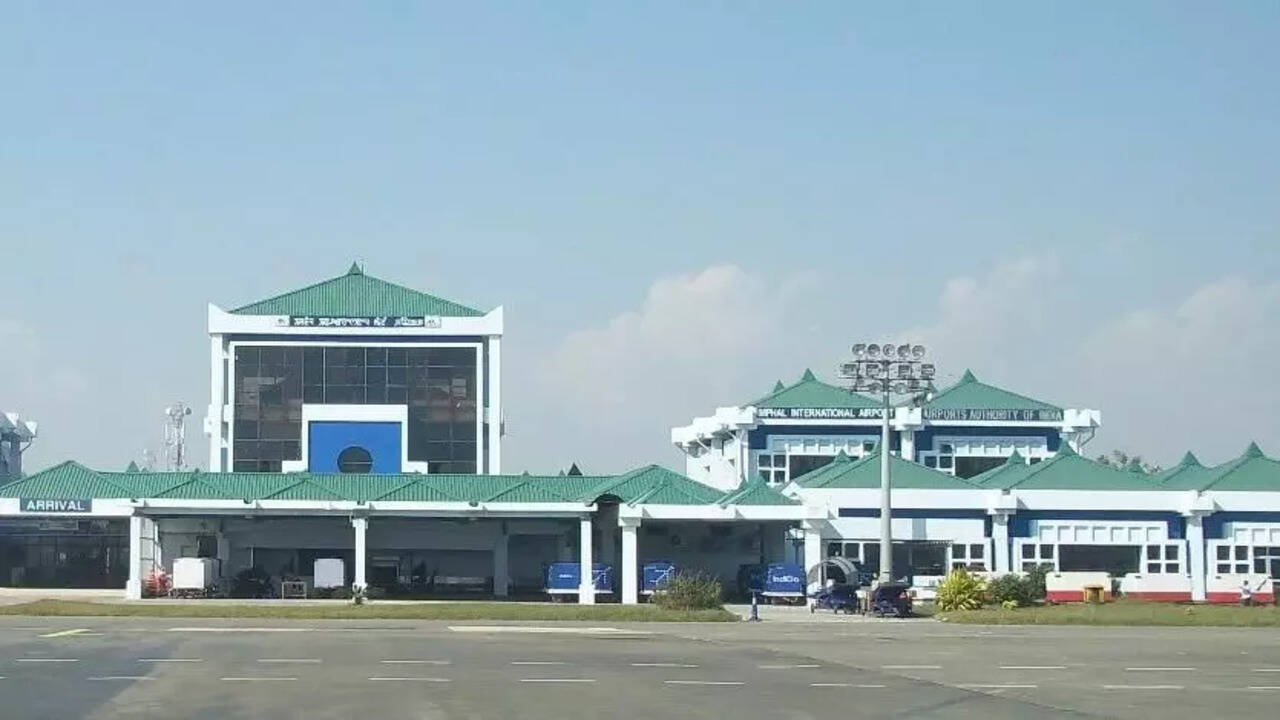
Imphal International Airport is on the verge of a major transformation that positions it as a key aviation hub for Northeast India, potentially rivaling Guwahati. The airport is preparing to launch integrated cargo services and a new terminal, marking a significant step in its evolution from a regional gateway to a central node for trade and travel. Over the past 12 years, the airport has recorded substantial growth in both aircraft movements and passenger traffic.
It now connects to all major Indian cities, reflecting a steady increase in demand for air travel and cargo movement in the region. This expansion is not just about numbers; it signals a shift in how the Northeast connects to the rest of the country. The new terminal is designed to handle rising passenger volumes and will feature modern amenities, including enhanced parking facilities. These upgrades aim to improve the travel experience for passengers while accommodating the growing number of flights operating out of Imphal.
The terminal’s design focuses on efficiency and comfort, aligning with broader trends in Indian aviation infrastructure. A dedicated helipad is also part of the development plan, intended to improve inter-district connectivity within Manipur and the surrounding states. This addition is expected to facilitate quicker movement of people and goods between remote areas and the state capital, reducing travel times and supporting local economies. The integrated cargo services are a critical component of the transformation.
By streamlining the handling of freight, the airport is set to become a logistics hub for the region. This move is likely to boost trade and commerce, particularly for industries such as agriculture, textiles, and handicrafts that rely on efficient supply chains to reach markets in other parts of India and abroad. Imphal’s rise as a hub mirrors the trajectory of Guwahati’s Lokpriya Gopinath Bordoloi International Airport, which has long served as the primary aviation gateway for the Northeast.
The development of Imphal into a comparable hub could ease pressure on Guwahati while providing more direct options for travelers and businesses in the southern and central parts of the region. The expansion comes at a time when the Indian government has been prioritizing infrastructure development in the Northeast, including road, rail, and air connectivity. Improved aviation infrastructure is seen as a catalyst for economic growth, tourism, and regional integration.
Imphal’s upgrades align with these national priorities, potentially attracting more investment and attention to Manipur. For local residents and businesses, the transformation promises tangible benefits. Better connectivity can lead to increased tourism, easier access to healthcare and education in other cities, and more opportunities for trade. The helipad, in particular, could be a game-changer for remote communities that currently rely on long road journeys. While the timeline for the completion of the new terminal and cargo services has not been specified, the announcement signals a clear direction for the airport’s future.
The growth over the past 12 years provides a strong foundation, and the planned upgrades are expected to accelerate that momentum. As Imphal International Airport moves toward becoming a major hub, it represents a broader story of transformation in Northeast India. The region, often described as isolated due to its geography, is gradually being woven into the national economic fabric through strategic infrastructure investments. The airport’s evolution is a tangible example of that progress.