
Immigrant truck drivers were supposed to get their licenses back. Why California’s DMV is stalling
Thousands of immigrant truck drivers in California lost their licenses earlier this year as a result of a Trump administration order, and many more drivers will face the same fate soon. Lawsuits are seeking to restore the licenses, but they may take months or years to resolve.
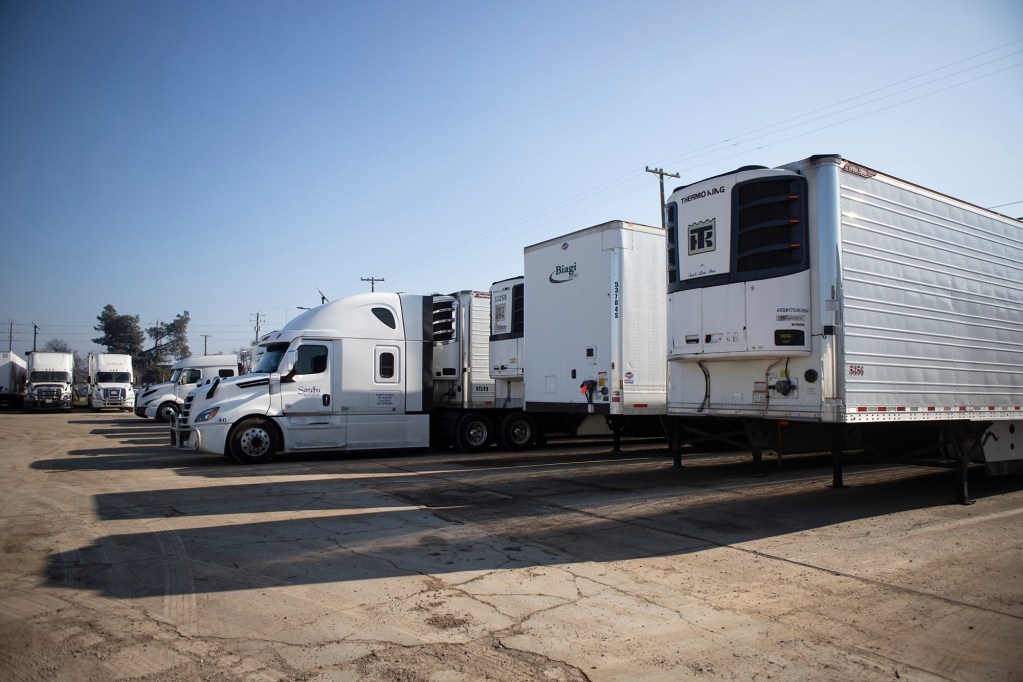
Thousands of immigrant truck drivers in California are facing an uncertain future as their commercial driving licenses, or trucking licenses, have been revoked or are at risk of being revoked due to a Trump administration order. The situation has left many drivers out of work and unable to support their families, while legal battles to restore their licenses have so far been unsuccessful.
The crisis began earlier this year when the federal government instructed California's Department of Motor Vehicles (DMV) to revoke the licenses of immigrant truck drivers who were deemed to pose a safety risk. The order, which was based on limited data and a few high-profile fatal crashes involving Punjabi truck drivers, has since led to the revocation of approximately 13,000 licenses. Further action is expected to result in the loss of up to 61,000 licenses over the coming years, affecting between 5% and 10% of California's total license holders.
Many of the affected drivers are asylum seekers or those with Deferred Action for Childhood Arrivals (DACA) status, granting them the legal right to live and work in the United States. However, the Trump administration's claim that these drivers are more dangerous on the road than U.S. citizens or immigrants with more permanent residency, such as green card holders, has been met with skepticism from industry experts.
The revocation of these licenses has had significant consequences for both the drivers and the transportation industry. For immigrant truck drivers like Singh, who lives in the San Francisco Bay Area with two children, the loss of his trucking license has put his livelihood and family's financial stability at risk. Singh, whose first name was withheld due to fears of immigration-related retaliation, had previously worked as a long-haul truck driver, spending extended periods away from home to transport freight across the country.
The situation has also raised concerns about the potential impact on shipping costs across California. Industry experts warn that the shortage of qualified truck drivers could lead to increased transportation expenses, potentially affecting businesses and consumers statewide.
Multiple lawsuits have been filed in an attempt to restore the revoked licenses, but the legal process is expected to take months or even years to resolve. In the meantime, the affected drivers find themselves in a precarious position, unable to work and provide for their families.
The Trump administration's decision to target immigrant truck drivers for license revocation has been criticized for its lack of rigorous data and potential disproportionate impact on vulnerable populations. As the legal battles continue, the future of thousands of immigrant truck drivers in California remains uncertain, with their livelihoods and the state's transportation infrastructure hanging in the balance.








