Home BusinessIMF Highlights Hidden Risks as Tokenization Elimin...
BusinessтнР Featured

IMF Highlights Hidden Risks as Tokenization Eliminates Traditional Financial Buffers

Without public infrastructure underpinning tokenized finance, the IMF warns it could amplify instability through several compounding forces.
6 April 2026 at 03:05 pm
1 views
IMF Highlights Hidden Risks as Tokenization Eliminates Traditional Financial Buffers

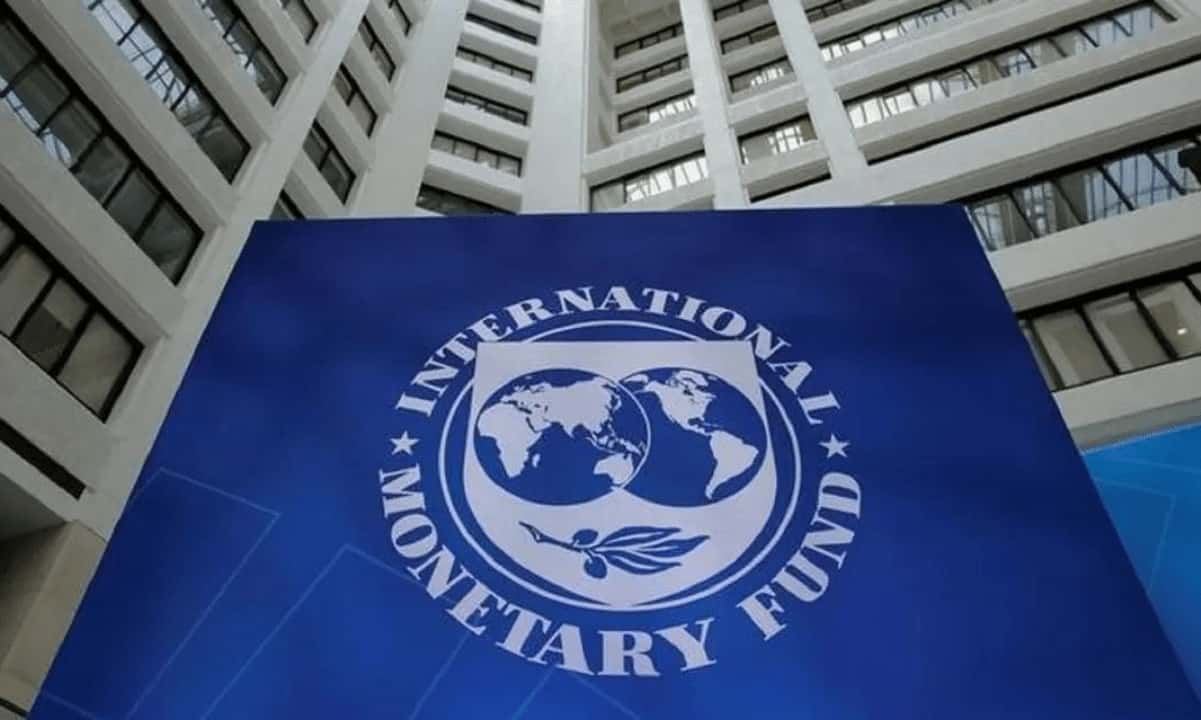
The International Monetary Fund (IMF) has recently raised concerns about the potential risks associated with tokenization in financial markets. While tokenization is often touted for its efficiency and speed benefits, the IMF warns that it could inadvertently amplify instability by eliminating traditional financial buffers that act as shock absorbers for the global economy.

Tokenized real-world assets (RWAs) have been growing rapidly, with the industry valued at approximately $27.5 billion as of early April. Tobias Adrian, the IMF's financial counselor, highlighted in an April note that the inefficiencies tokenization aims to address are actually critical components of financial stability. He argues that tokenization represents a "structural shift in financial architecture" rather than a simple efficiency improvement.

Tokenization changes the way assets like money, stocks, and bonds are moved by automating these processes through smart contracts on the blockchain. This automation reduces settlement lags, allowing banks to clear ownership and transactions almost instantaneously. However, Adrian cautions that these frictions, or delays, serve a dual purpose: they are not only cost-effective for investors but also provide temporal buffers that allow exposures to be netted, liquidity to be mobilized, and authorities to intervene before settlement becomes final. By removing these delays, tokenized systems risk eliminating essential safety nets.

The IMF identifies three major hidden risks that could arise from the elimination of these financial buffers. The first is liquidity pressure. Tokenization could create a need for financial institutions to always have the funds to meet the demands of instant settlements. This heightened liquidity requirement could exacerbate systemic risks, particularly during periods of market stress when liquidity itself becomes scarce.

The second risk is the potential for increased interconnectedness and contagion. Traditional settlement processes often involve multiple intermediaries, which can act as buffers against contagion. Tokenization, by contrast, can create direct and instantaneous links between parties, potentially amplifying the impact of disruptions in one part of the system on others.

The third risk is the reduced ability of regulators to monitor and intervene effectively. The settlement window in traditional finance provides regulators with a crucial opportunity to monitor transactions and take action in response to emerging risks. With tokenization, the speed and immediacy of transactions could leave regulators with less time to respond, making it more challenging to manage systemic risks.

In conclusion, while tokenization offers significant efficiency gains, the IMF's analysis underscores the importance of preserving the traditional financial buffers that act as critical safeguards against instability. As the industry continues to grow, it is essential for policymakers, regulators, and market participants to carefully consider these hidden risks and explore ways to maintain financial stability in an increasingly digitized and interconnected world.
Source: CryptoPotato
ЁЯУ░ Related News
Zoho-Backed Semiconductor Startup Netrasemi Launches Flagship Edge AI Chip
Kerala-based semiconductor startup Netrasemi, backed by Zoho, has launched its flagship A2000 Edge AI chip. Built on TSMC's 12nm process, the production-ready SoC has begun trials in the surveillance and automotive sectors.
29 May
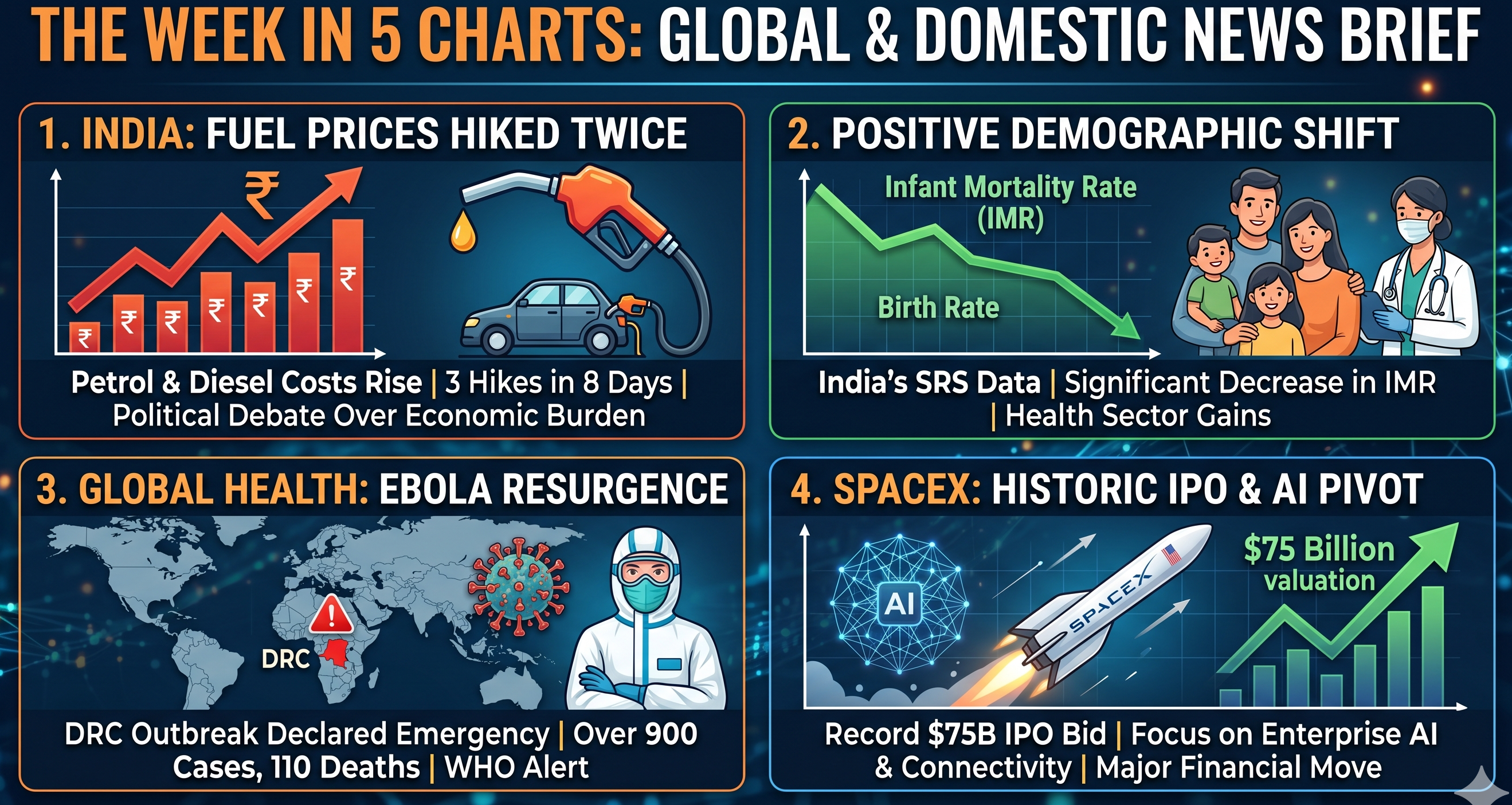
The Week in 5 Charts: Escalating Fuel Costs, Demographic Shifts, Global Health Alerts, and Historic Tech IPOs
Over the past week, in what seems to be a continuing trend, fuel prices across the country were hiked twice across all variants; the SRS bulletin report showed positive performance of the country in key indicators, and Ebola cases surged again. Here are the top developments throughout last week in graphics and charts.
29 May
Google Engineer Busted in $1.2 Million Polymarket Insider Trading Scheme
he line between prediction markets and traditional securities trading has officially been drawn in the sand. In a watershed moment for the burgeoning world of event-based betting,..
28 May
тАШBig ShortтАЩ Michael Burry sends signal on Nvidia stock
Short-seller Michael Burry just made his view on Nvidia (NVDA) stock a lot harder to ignore. In a new Substack post, the popular investor disclosed that he...
13 Apr
Pag-IBIG Fund OKs benefits package for repatriated OFWs
The Pag-IBIG Fund has approved a benefits package for repatriated overseas Filipino workers affected by the Middle East war, granting them access to savings and a temporary reprieve from housing loan payments.
7 Apr
Amazon is betting on speed in a market that may not need it
Quick commerce promises instant convenience, but itтАЩs driven more by deep discounts and habit-building than real need.
7 Apr
No respite for stocks as war jitters linger
Global uncertainties continued to take their toll on the local stock market.
7 Apr
ACEN solidifies lead in retail RE market
The Ayala Group remains the supplier of choice for at least six out of 10 consumers directly sourcing renewable energy, sustaining its market dominance for three straight years.
7 Apr
Maharlika has P68 billion in investible funds тАУ Consing
The Maharlika Investment Corp. said it continues to maintain P68 billion in deployable capital for future investments after releasing nearly P10 billion from its initial funding.
7 Apr
Why internal customers are important than external
Who’s to blame if you were served a greasy cup of “soapy soup” in a tapsilog joint? Is it the dishwasher who treats the grease like a decorative fixture? The waiter who delivered it with a straight face? The chef who doesn’t care? Or the manager who’s watching a YouTube video while on duty?
7 Apr