
ICRISAT and Partners Develop and Release the World’s First Three-way Pearl Millet Hybrid
ICRISAT, in collaboration with Indian Council of Agricultural Research (ICAR) through the All India Coordinated Research Project on Pearl Millet (AICRP) centre at the Rajasthan Agricultural Research Institute (RARI) has … The post ICRISAT and Partners Develop and Release the World’s First Three-way Pearl Millet Hybrid appeared first on Agriculture Post .
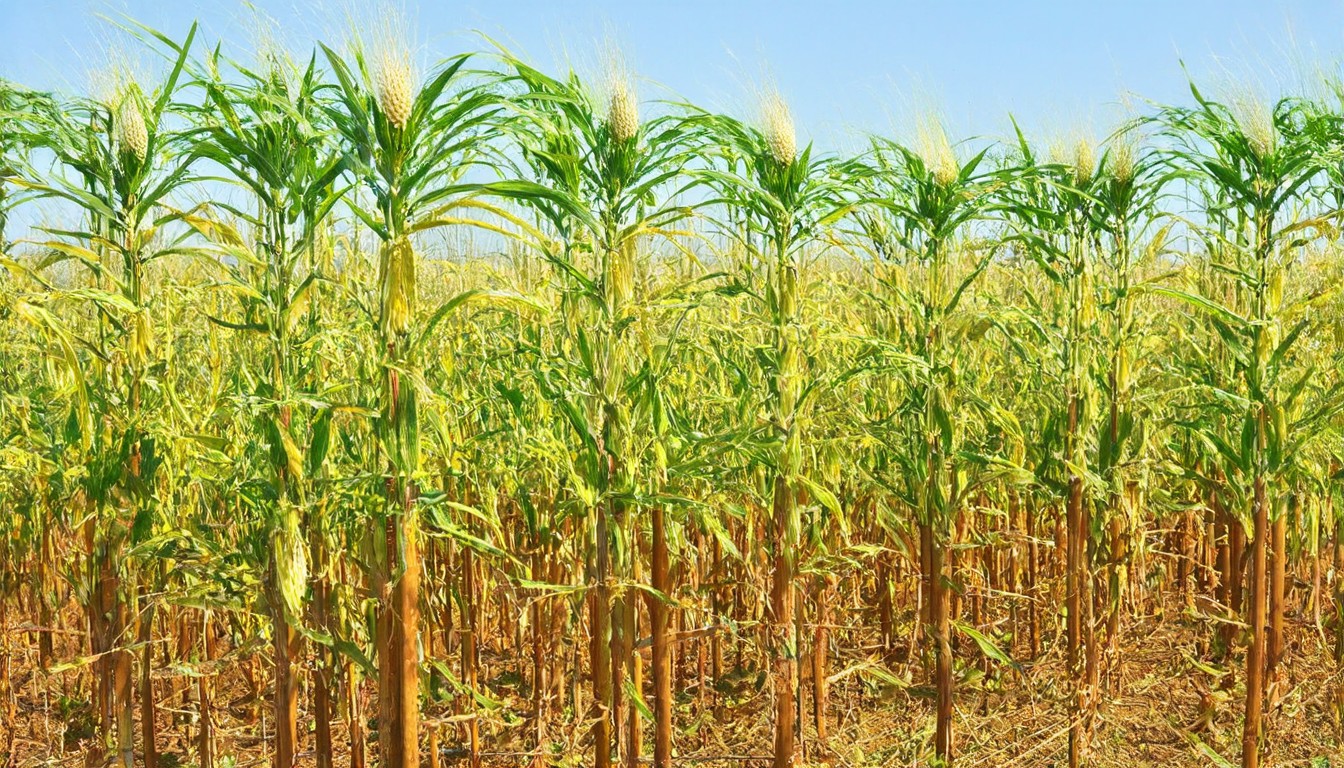
ICRISAT and Partners Develop and Release the World’s First Three-way Pearl Millet Hybrid
In a groundbreaking development for global agriculture, the International Crops Research Institute for the Semi-Arid Tropics (ICRISAT) has collaborated with the Indian Council of Agricultural Research (ICAR) and the Rajasthan Agricultural Research Institute (RARI) to develop and release the world’s first three-way Pearl Millet hybrid. This innovative crop variety promises to enhance food security and agricultural productivity in semi-arid regions, particularly in India and other parts of Africa and Asia.
The Pearl Millet, also known as Guinea Corn, is a staple food crop in many parts of the world, particularly in regions with limited water resources. It is highly resilient to drought and can thrive in poor soils, making it an ideal crop for smallholder farmers in semi-arid areas. However, traditional Pearl Millet varieties have limitations in terms of yield and nutritional content, which have hindered their adoption and impact on food security.
To address these challenges, ICRISAT, ICAR, and RARI have jointly undertaken a research initiative to develop a new three-way Pearl Millet hybrid. This hybrid combines three distinct varieties of Pearl Millet, each contributing unique traits to improve overall performance. The first variety, known for its high yield potential, has been cross-bred with a second variety that offers enhanced drought tolerance. The third variety, which is nutrient-rich, has been incorporated to improve the overall nutritional profile of the hybrid.
The development of this three-way Pearl Millet hybrid involved extensive research and breeding efforts over several years. Scientists at ICRISAT and RARI meticulously studied the genetic makeup of various Pearl Millet varieties, identifying the desirable traits that would contribute to higher yields, improved drought resistance, and better nutritional content. Through painstaking selection and cross-breeding, they were able to create a hybrid that outperforms traditional varieties in multiple aspects.
One of the key advantages of the new three-way Pearl Millet hybrid is its increased yield potential. Farmers can expect to harvest up to 30% more grain per acre compared to conventional Pearl Millet varieties. This significant increase in yield will have a profound impact on food security, particularly in regions where Pearl Millet is a staple food crop.
In addition to higher yields, the new hybrid also demonstrates superior drought tolerance. Studies conducted during the development phase showed that the three-way Pearl Millet hybrid can withstand prolonged periods of water scarcity without significant losses in productivity. This trait is crucial in the context of climate change, as many semi-arid regions are increasingly affected by droughts and unpredictable weather patterns.
Another notable feature of the three-way Pearl Millet hybrid is its improved nutritional content. The incorporation of the nutrient-rich variety has resulted in a significant increase in the levels of essential vitamins and minerals, such as vitamin A, iron, and zinc, in the grain. This enhancement in nutrition will have a positive impact on the health and well-being of people who rely on Pearl Millet as a primary food source.
The release of the world’s first three-way Pearl Millet hybrid marks a significant milestone in agricultural research and development. This innovative crop variety not only addresses the challenges faced by smallholder farmers in semi-arid regions but also contributes to global efforts to improve food security and combat hunger.
ICRISAT, ICAR, and RARI are now working closely with farmers, extension agencies, and other stakeholders to ensure the successful adoption and dissemination of the new hybrid. Training programs and demonstration plots are being set up to educate farmers on the best practices for cultivating and managing the three-way Pearl Millet hybrid.
The success of this project underscores the importance of collaboration and partnership in agricultural research. By working together, ICRISAT, ICAR, and RARI have been able to leverage their collective expertise and resources to develop a crop variety that has the potential to transform lives in semi-arid regions around the world.
In conclusion, the development and release of the world’s first three-way Pearl Millet hybrid represent a major breakthrough in agricultural science. This innovative crop variety promises to enhance food security, improve nutrition, and support sustainable agriculture in semi-arid regions. As farmers begin to adopt the new hybrid, they will experience increased yields, better resilience to drought, and healthier diets, paving the way for a more secure and prosperous future for millions of people worldwide.








