
ICE Arrests in Texas Leave Children to Raise Their Siblings After Parents Are Detained
Andrea García and her siblings are carrying on in a home reshaped by fear, loss and new responsibility.
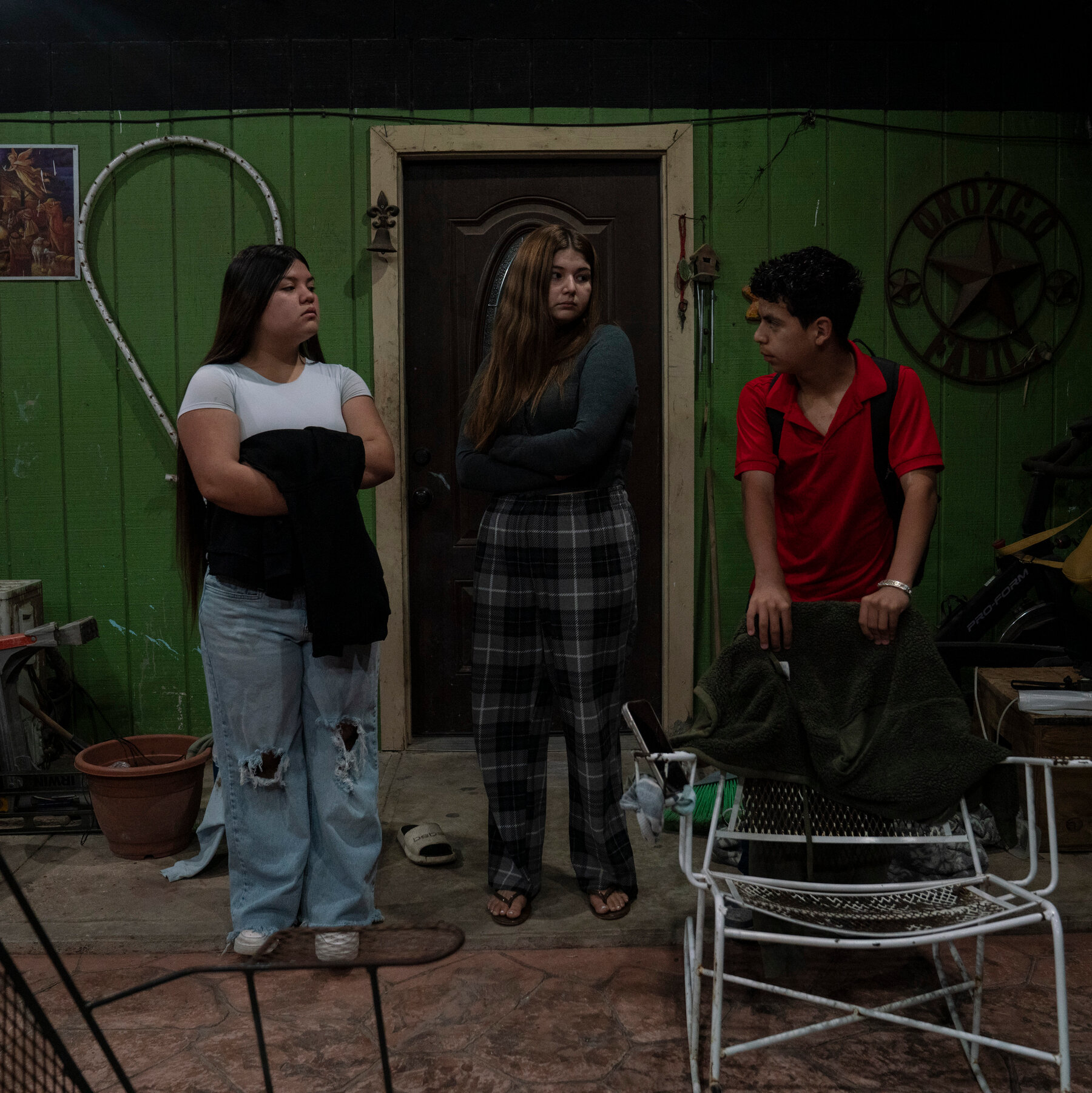
In a small, modest home in Texas, the lives of Andrea García and her siblings have been upended by a sudden and harsh reality. Just a few months ago, their world was filled with the normalcy of a typical family life, but now it has been reshaped by fear, loss, and the unexpected burden of newfound responsibility. Andrea, now 22, finds herself in a role she never imagined—that of a caregiver to her younger siblings, after their parents were unexpectedly detained by Immigration and Customs Enforcement (ICE).
The García family, like many others in the region, had settled into a routine that blended the familiar with the challenges of navigating a complex legal and social landscape. Andrea, who had been working part-time to support her family, had dreams of continuing her education and building a future for herself. Her parents, who had immigrated to the United States many years ago, had worked tirelessly to provide a stable home for their children. But on a seemingly ordinary day, their lives were irrevocably changed when ICE agents arrived at their door.
Andrea’s mother, Maria, and her father, Carlos, were detained during a routine immigration check. The family had no prior knowledge of any legal issues, and the detention came as a complete surprise. In the span of a few hours, the Garcías were separated, leaving Andrea and her siblings to fend for themselves. The suddenness of the situation left the family reeling, struggling to adapt to their new reality.
“Our lives changed suddenly,” Andrea recalls, her voice trembling as she recounts the harrowing events. “I never thought I would have to wake up early and do everything to help my siblings.” The weight of responsibility that had once rested on her parents now fell squarely on Andrea’s shoulders. She had to step up and take charge, ensuring that her younger siblings had food to eat, were taken to school, and that their basic needs were met.
The García siblings, who range in age from 14 to 18, found themselves thrust into a world of unfamiliar challenges. They had to navigate the complexities of managing a household, dealing with the emotional aftermath of their parents’ detention, and the constant fear of what the future might hold. The absence of their parents created a void that was both physical and emotional, leaving the siblings to grapple with feelings of loss and uncertainty.
Andrea, the eldest of the siblings, became the de facto head of the household. She took on the responsibility of ensuring that her younger siblings attended school, cooked meals, and managed the family’s limited resources. The transition was difficult, and the siblings often felt overwhelmed by the sheer magnitude of the tasks they had to undertake. Yet, they found strength in each other, drawing on their shared experiences and love for one another to help them persevere.
The García family’s story is not unique. In recent years, ICE’s increased enforcement efforts have led to a surge in family separations, leaving countless children and teenagers to face the challenges of adulthood before their time. These young people, who should still be enjoying the care and guidance of their parents, are now left to navigate the complexities of life on their own.
The Garcías’ situation is further complicated by the legal and bureaucratic hurdles that come with family reunification. Maria and Carlos’s detention has left the family in limbo, with no clear timeline for when they might be released and reunited with their children. The Garcías are not alone in this limbo; thousands of families across the United States are facing similar uncertainties.
The impact of ICE’s detentions on children and families has been well-documented. Studies have shown that family separations can lead to long-term psychological effects, including increased rates of depression, anxiety, and trauma. For the Garcías, the emotional toll is evident in the way they speak about their parents, the fear in their eyes, and the weight of responsibility that has been thrust upon them.
Andrea and her siblings have found solace in the support of their community and local organizations that provide assistance to families affected by ICE detentions. These groups offer everything from legal aid to counseling, helping families like the Garcías to navigate the complexities of their situation. Yet, despite this support, the family’s future remains uncertain.
As the Garcías continue to navigate the challenges of their new reality, they cling to the hope that their parents will soon be released and reunited with them. They dream of a future where they can reclaim the normalcy of family life, where their parents are once again a constant presence in their lives. For now, however, they must focus on the present, doing everything they can to ensure that their siblings are cared for and that they can continue to thrive in the face of adversity.
The García family’s story is a stark reminder of the human cost of ICE’s detention policies. It highlights the urgent need for reform and a more humane approach to immigration enforcement. As long as families like the Garcías are left to fend for themselves, the impact on children and communities will continue to be felt. It is time for policymakers to recognize the humanitarian consequences of their actions and to take steps to address the crisis facing families like the Garcías.
In the Garcías’ modest home, the walls are adorned with photos of their parents, a testament to the love and bond that still exists between them. Despite the challenges they face, Andrea and her siblings hold onto the hope that their family will soon be reunited. For now, they carry on, each day a step closer to a future where they can reclaim the life they once knew.









