
IAF Seeks Clearance for 2,500 Homegrown Software Defined Radios Induction to Build ‘Airborne Internet’ Network
The Indian Air Force (IAF) is set to approach the Defence Procurement Board for approval to induct approximately 2,500 indigenous Software Defined Radios (SDRs), a move aimed at significantly strengthening its network-centric warfare capabilities. According to reports, these advanced communication systems, often described as an “airborne Internet” are increasingly seen as indispensable to modern military […] The post IAF Seeks Clearance for 2,500 Homegrown Software Defined Radios Induction to Build ‘Airborne Internet’ Network appeared first on Tfipost.com .
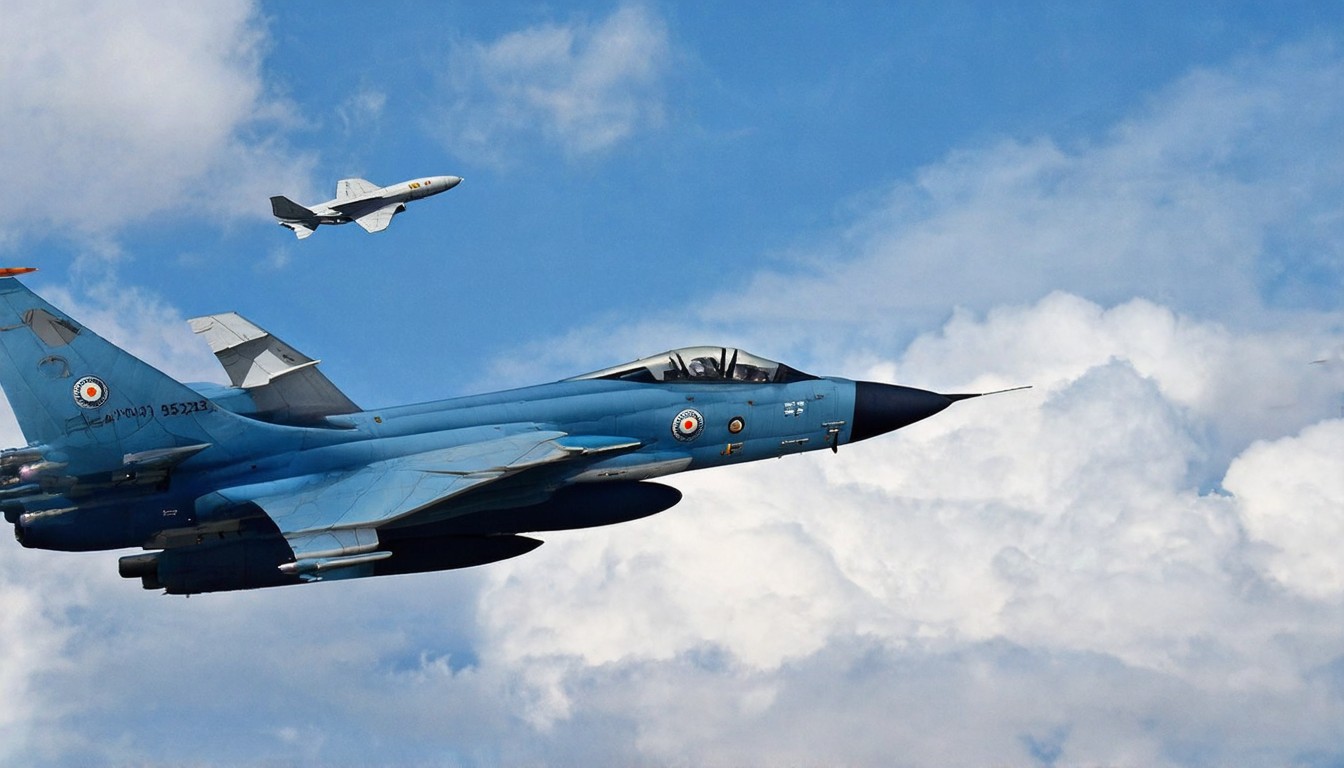
The Indian Air Force (IAF) is set to approach the Defence Procurement Board for approval to induct approximately 2,500 indigenous Software Defined Radios (SDRs), a move aimed at significantly strengthening its network-centric warfare capabilities. These advanced communication systems, often described as an “airborne Internet,” are increasingly seen as indispensable to modern military operations. Senior officials emphasize that SDRs enable seamless connectivity between decision-makers, sensors, and combat platforms, forming the backbone of real-time digital warfare networks.
By ensuring secure, encrypted, and instantaneous communication, SDRs are expected to unify a wide array of assets, including ground command centres, fighter aircraft, transport fleets, helicopters, and airborne early warning systems into a single, coherent operational framework. Network-centric warfare relies heavily on the ability to integrate weapons, sensors, and radar feeds into a unified operational picture. This allows commanders to monitor evolving situations in real time and execute rapid, coordinated responses across multiple domains.
Functioning as digital communication hubs, SDRs facilitate the simultaneous transmission of voice, video, and data, even in heavily contested or electronically jammed environments. This is particularly critical in modern conflicts, where electronic warfare and cyber disruptions are increasingly decisive factors. Advanced indigenous variants such as the SDR-Airborne Radio (SDR-AR) are designed specifically for such complex missions. These systems support multi-band and multi-channel operations across high frequency (HF), very/ultra high frequency (V/UHF), and L-band spectrums, ensuring resilient and uninterrupted communication links across platforms.
The proposed procurement, estimated at roughly ₹5,000 crore, with each unit costing around ₹2 crore, aims to equip nearly all IAF platforms with these cutting-edge systems. This initiative not only enhances operational effectiveness but also underscores the IAF's commitment to leveraging indigenous technological capabilities. By prioritizing homegrown solutions, the IAF can reduce dependency on foreign suppliers, ensuring long-term sustainability and adaptability to evolving threats.
The induction of 2,500 SDRs marks a significant milestone in the IAF's modernization journey. It represents a strategic shift towards a network-centric approach, where information superiority is paramount. With the ability to adapt to diverse mission requirements and spectrum environments, SDRs offer unparalleled flexibility and resilience. This capability is crucial in an era where adversaries are increasingly employing sophisticated electronic warfare tactics to disrupt communication networks.
The IAF's decision to invest in indigenous SDRs also sends a strong signal of technological ambition and self-reliance. It highlights the importance of nurturing domestic capabilities to meet the challenges of the 21st-century battlefield. As the IAF continues to evolve, the integration of SDRs will undoubtedly play a pivotal role in shaping its future combat operations.
In conclusion, the IAF's plan to induct 2,500 homegrown Software Defined Radios is a bold step towards enhancing its network-centric warfare capabilities. By prioritizing indigenous solutions, the IAF is not only bolstering its operational readiness but also fostering a robust domestic defence ecosystem. The “airborne Internet” vision, enabled by these advanced communication systems, promises to redefine the way the IAF conducts operations, ensuring it remains a formidable force in the skies.









