
I used the Galaxy Z Fold 7 and Fold 4 to see how far Samsung foldables have come in 3 years
It's easy to get frustrated by incremental updates, but what Samsung has done to the Z Fold line is incredible.
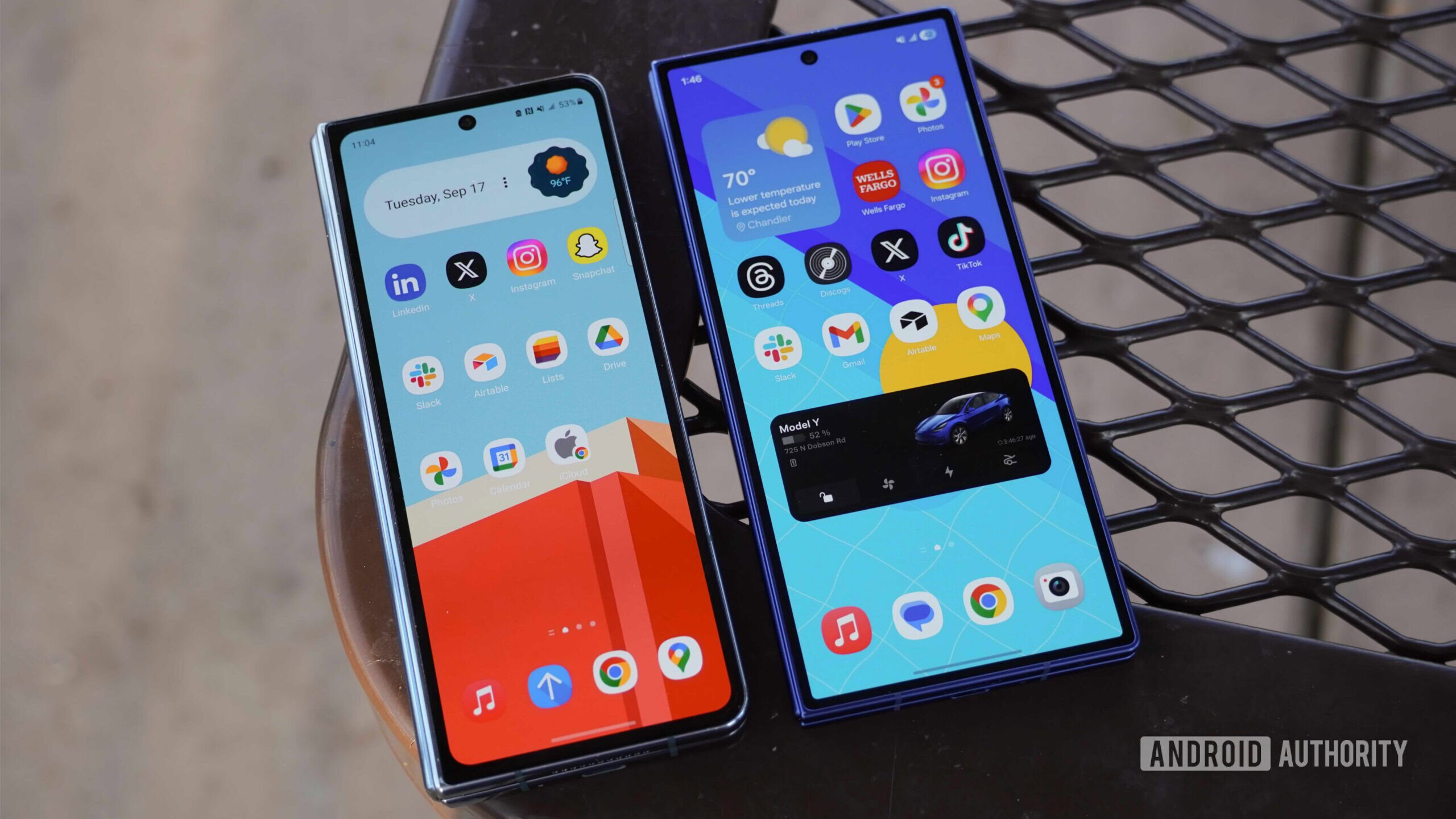
In the world of smartphone innovation, it's easy to feel like we're stuck in a cycle of incremental updates. Year-over-year changes are often minimal, and it takes a few generations stacking up to form compelling value propositions. However, when it comes to foldable phones, the pace of innovation has been nothing short of remarkable. Samsung's Galaxy Z Fold line, in particular, has made significant strides in just a few short years, transforming from a prototype-like device into a sleek, functional, and powerful piece of technology.
I first purchased the Samsung Galaxy Z Fold 4 on its release date in 2022, and after using the Galaxy Z Fold 7 intermittently for more than six months, the evolution of this line is truly astounding. If you've ever owned or used a Galaxy Z Fold 4, you know just how poorly that decision aged. That model was the last Galaxy Z Fold generation to feel like a prototype. The hinge was bulky, the folding mechanism felt fragile, and the user experience was far from seamless.
Fast forward to the Galaxy Z Fold 5, and the improvements were noticeable. For the first time, the phone folded completely shut, eliminating the awkward gap that had been a persistent issue in earlier models. This simple yet significant change made a world of difference in terms of both form and function. The Galaxy Z Fold 5 also introduced a more robust hinge and improved durability, giving users the confidence to use their foldables as their primary device.
The Galaxy Z Fold 6 built on these foundations, adding formal dust resistance with an IP48 rating. This rating may not be as high as what you'd find in traditional waterproof phones, but it's a welcome step forward for a device that's often exposed to the elements. The Galaxy Z Fold 6 also saw a slight improvement in the folding mechanism, making it even smoother and more reliable.
Finally, the current Galaxy Z Fold 7 takes these innovations to the next level. The phone features a 200MP camera, offering unparalleled photographic capabilities, and a wider cover screen, enhancing the overall user experience. The chassis has been made thinner and lighter, making the device more comfortable to hold and use. The folding mechanism has been further refined, ensuring a seamless transition between the two screens.
What's most impressive about Samsung's Galaxy Z Fold line is not just the individual improvements, but how each generation builds on the previous one. From the prototype-like Galaxy Z Fold 4 to the sleek and sophisticated Galaxy Z Fold 7, the progress is clear and undeniable. These updates may seem incremental on the surface, but they've transformed a once-gimmicky concept into a practical and desirable technology.
As we look to the future of foldable phones, Samsung's commitment to innovation is a testament to the potential of this category. The Galaxy Z Fold line has come a long way in just three years, and there's no doubt that the future holds even more exciting developments. For those who have experienced the evolution of these devices firsthand, it's a reminder that even in an industry often criticized for stagnation, true progress is still possible.








