
I tested Fedora Miracle: Why Linux needs a 'broken' flag for orphaned spins
Opinion: Tiling managers are supposed to make your life easier, but the Miracle Window Manager did anything but for me last week. Here's what happened.
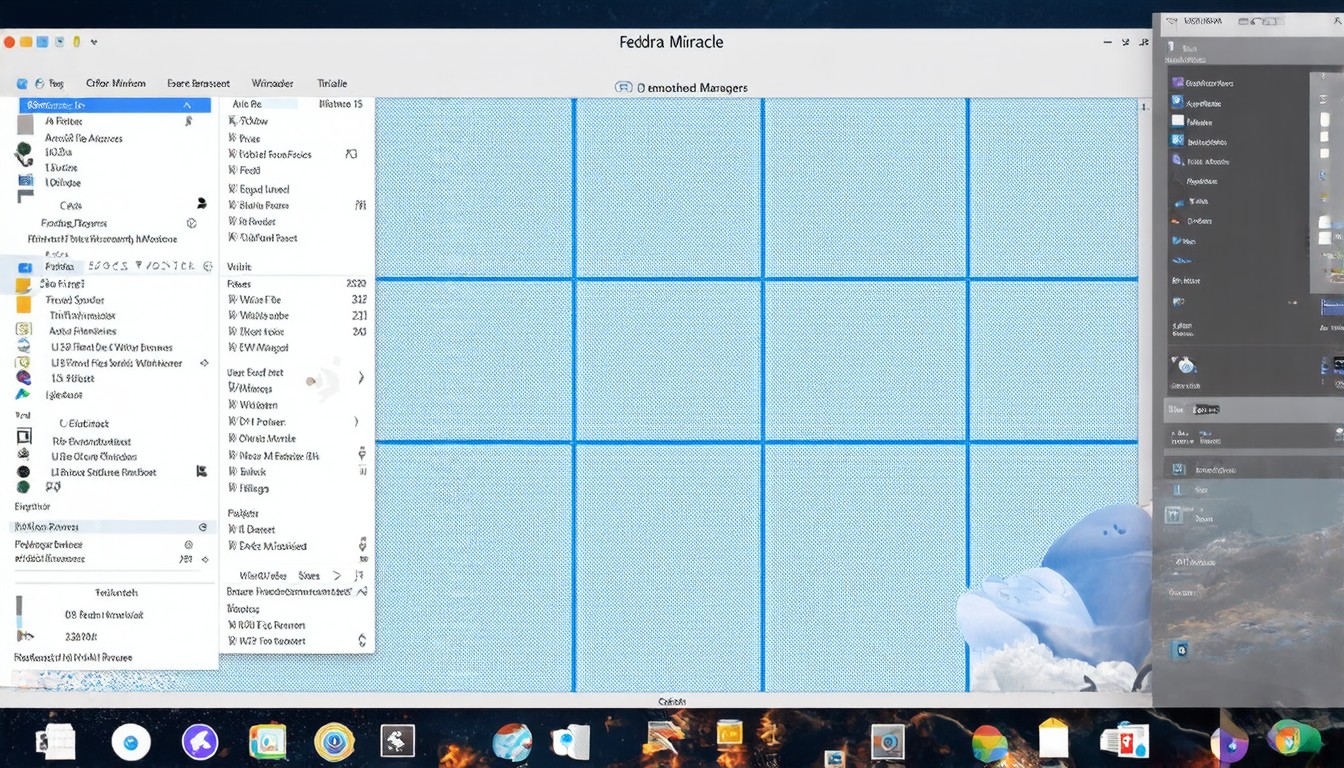
Last week, I decided to give the Fedora Miracle a try, a Linux distribution known for its unique approach to window management. Fedora, a popular Linux distribution, is known for its innovative features and frequent updates. The Miracle Window Manager, a tiling window manager included in Fedora, promises to simplify the organization and management of windows, making it easier to switch between applications and tasks. However, my experience with it was far from smooth, and it highlighted a critical issue in the Linux ecosystem: the need for a 'broken' flag to identify orphaned spins.
Tiling window managers, like the Miracle Window Manager, arrange windows in a grid or tiling layout, which can be efficient for multitasking. The idea is that you can quickly switch between applications without the clutter of traditional window managers. However, when I installed Fedora Miracle, I encountered a series of unexpected issues that made my experience frustrating.
Initially, I was excited to try something new. I followed the installation instructions, rebooted my system, and was greeted with the Miracle Window Manager. But as soon as I started using it, I realized that the window manager was not responding as expected. Windows would not resize or move smoothly, and sometimes they would freeze in place. I tried to troubleshoot the problem, but the documentation for the Miracle Window Manager was sparse, and I couldn't find clear guidance on how to resolve the issues.
As I delved deeper into the problem, I discovered that the Miracle Window Manager was part of a larger Fedora spin, a customized version of Fedora designed for specific use cases. However, it seemed that this particular spin was orphaned, meaning there was little to no community support or maintenance for it. In the Linux world, spins are often created by enthusiasts or organizations to tailor Fedora to their specific needs. But when these spins are not actively maintained, they can become outdated or incompatible with newer versions of Fedora, leading to issues like the ones I encountered.
This experience made me question the current state of orphaned spins in the Linux ecosystem. While spins can be powerful tools for customization, they often rely on the dedication of their creators. When those creators move on or the spins become obsolete, users are left with software that may not work properly. This is where the 'broken' flag comes in.
A 'broken' flag is a concept that has been discussed in the Linux community as a way to identify and flag orphaned or problematic spins. Such a flag would serve as a warning to users, indicating that a particular spin may not be reliable or well-maintained. This could help users make informed decisions about which spins to try and avoid wasting time on software that is likely to cause issues.
In my case, a 'broken' flag for the Fedora Miracle would have saved me considerable frustration. I spent hours trying to troubleshoot the window manager, only to realize that the issue was likely due to the spin being orphaned. The lack of clear communication about the status of the spin left me in the dark, and I had to piece together the problem through trial and error.
The Fedora Miracle experience underscores the importance of transparency and maintenance in the Linux community. While the flexibility and customization offered by Linux distributions like Fedora are undeniably appealing, they also come with responsibilities. Creators of spins and other custom distributions must ensure that their work is well-documented, maintained, and communicated effectively to the community.
For users like myself, the journey of discovering and troubleshooting issues with orphaned spins can be a learning experience. It highlights the need for better tools and practices to identify and manage problematic software in the Linux ecosystem. The 'broken' flag concept, while not a technical solution in itself, could help bridge the gap between creators and users, fostering a more informed and supportive community.
In conclusion, my experience with the Fedora Miracle Window Manager served as a reminder of the challenges that can arise from orphaned spins in the Linux ecosystem. While tiling window managers like Miracle have the potential to enhance productivity, the lack of maintenance and clear communication can lead to frustrating experiences for users. The introduction of a 'broken' flag could help mitigate these issues by providing users with the information they need to make informed decisions about the software they choose to use. As the Linux community continues to innovate and grow, it is crucial to address these challenges to ensure that the benefits of customization are accessible and reliable for all users.









