
'I jump in the sea to refresh my brain': How remote workers are boosting coastal towns
The rise in remote working means many professionals are choosing to settle in coastal and rural towns.
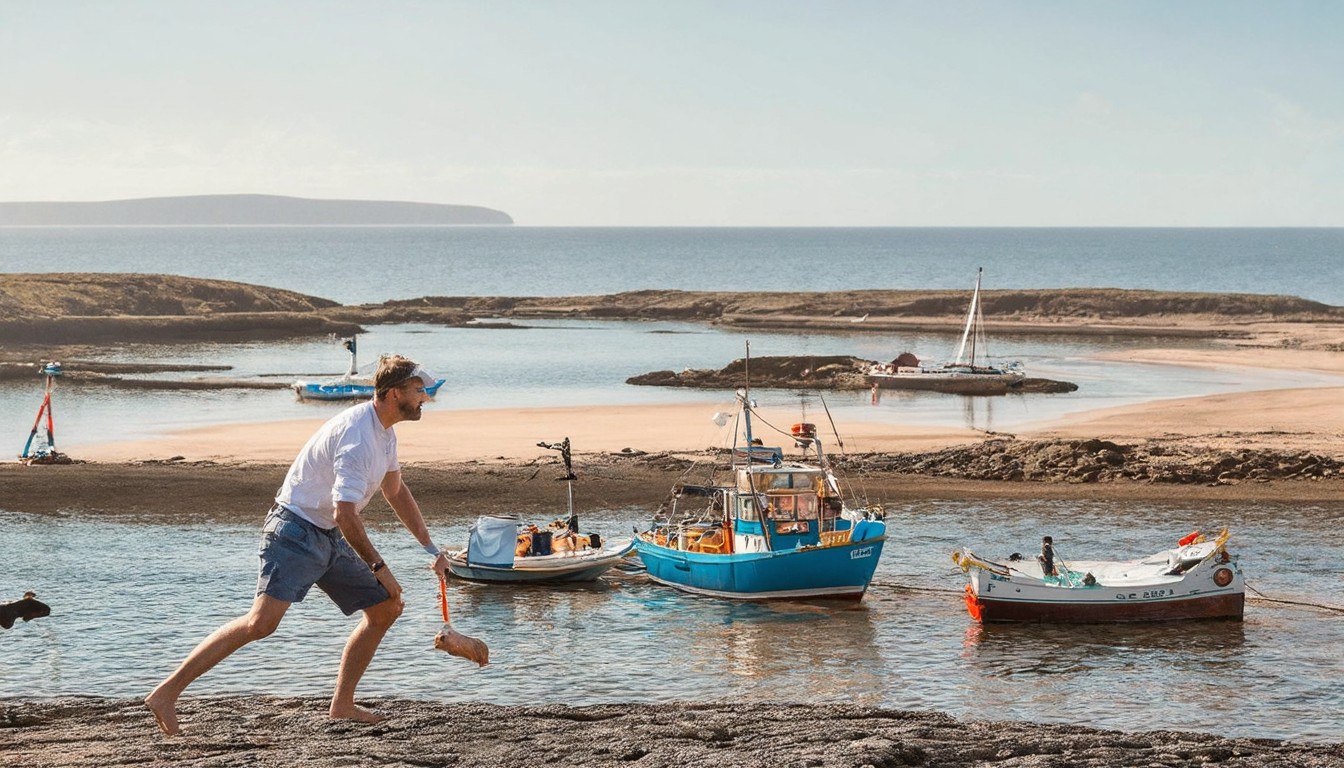
As the world adapts to the new normal of remote work, coastal towns and rural areas are experiencing a surge in population as professionals seek serenity and a fresh start. This shift, often driven by the desire for a simpler life and the allure of natural beauty, is transforming these once-sleepy communities into vibrant hubs of productivity and innovation.
The allure of remote work has made coastal towns particularly attractive. The combination of stunning views, fresh air, and a slower pace of life offers a stark contrast to the hustle and bustle of urban centers. Professionals who once commuted daily to bustling cities are now setting up home in quaint fishing villages or charming seaside resorts. This trend has been fueled by advancements in technology, which have made it possible to work effectively from virtually any location.
One of the key factors driving this migration is the growing appreciation for mental health and well-being. Many remote workers report that the tranquility of coastal towns helps them recharge and refresh their minds, enabling them to focus better on their work. The soothing sounds of the waves, the salty breeze, and the opportunity to take regular breaks by the sea contribute to a more balanced and fulfilling lifestyle.
This influx of remote workers is not without its challenges. As towns welcome newcomers, there is often a strain on local infrastructure, such as internet connectivity and public services. However, many coastal communities are embracing this change as an opportunity to diversify their economies. Local businesses are adapting to cater to the needs of remote professionals, offering co-working spaces, cafes, and amenities that support a nomadic lifestyle.
In addition to the economic benefits, the presence of remote workers is also contributing to a cultural renaissance in these towns. As people from diverse backgrounds settle in, they bring with them new ideas, perspectives, and creative energy. This diversity is fostering a sense of community and encouraging local businesses to innovate and adapt.
One such example is the town of Bodega Bay in California, which has seen a significant increase in remote workers settling there. The town's charm, coupled with its proximity to San Francisco, has made it a popular destination for tech professionals seeking a break from the city. Local businesses have responded by offering services tailored to remote workers, such as high-speed internet and co-working spaces.
Similarly, in the UK, coastal towns like Penzance and Falmouth have become hotspots for remote workers. The picturesque landscapes, combined with the availability of high-speed broadband, have attracted professionals from across the country. These towns are now hosting meetups and events to connect remote workers and foster a sense of community.
The impact of remote workers on coastal towns is not limited to economic and cultural benefits. There is also a growing awareness of the environmental impact of urbanization and the need for sustainable living. Remote workers are often more environmentally conscious, opting for eco-friendly homes and supporting local, sustainable businesses. This shift is encouraging coastal towns to prioritize sustainability in their development plans.
However, this trend is not without its critics. Some argue that the influx of remote workers is leading to gentrification and pushing out long-time residents who cannot afford the rising property prices. Efforts are underway to address this issue, with some coastal towns implementing policies to ensure affordable housing remains available to local communities.
In conclusion, the rise of remote work has sparked a new wave of migration towards coastal and rural towns. These communities are experiencing a renaissance as they welcome a new wave of professionals seeking a simpler, more fulfilling life. While there are challenges to this transformation, the economic, cultural, and environmental benefits are undeniable. As coastal towns adapt to this new reality, they are not only becoming more vibrant and innovative but also setting a precedent for sustainable and inclusive living.








