I don’t need Samsung to significantly upgrade the Galaxy Watch 9 — just unlock it
Samsung still keeps some of its top health features exclusive to Samsung phone users.
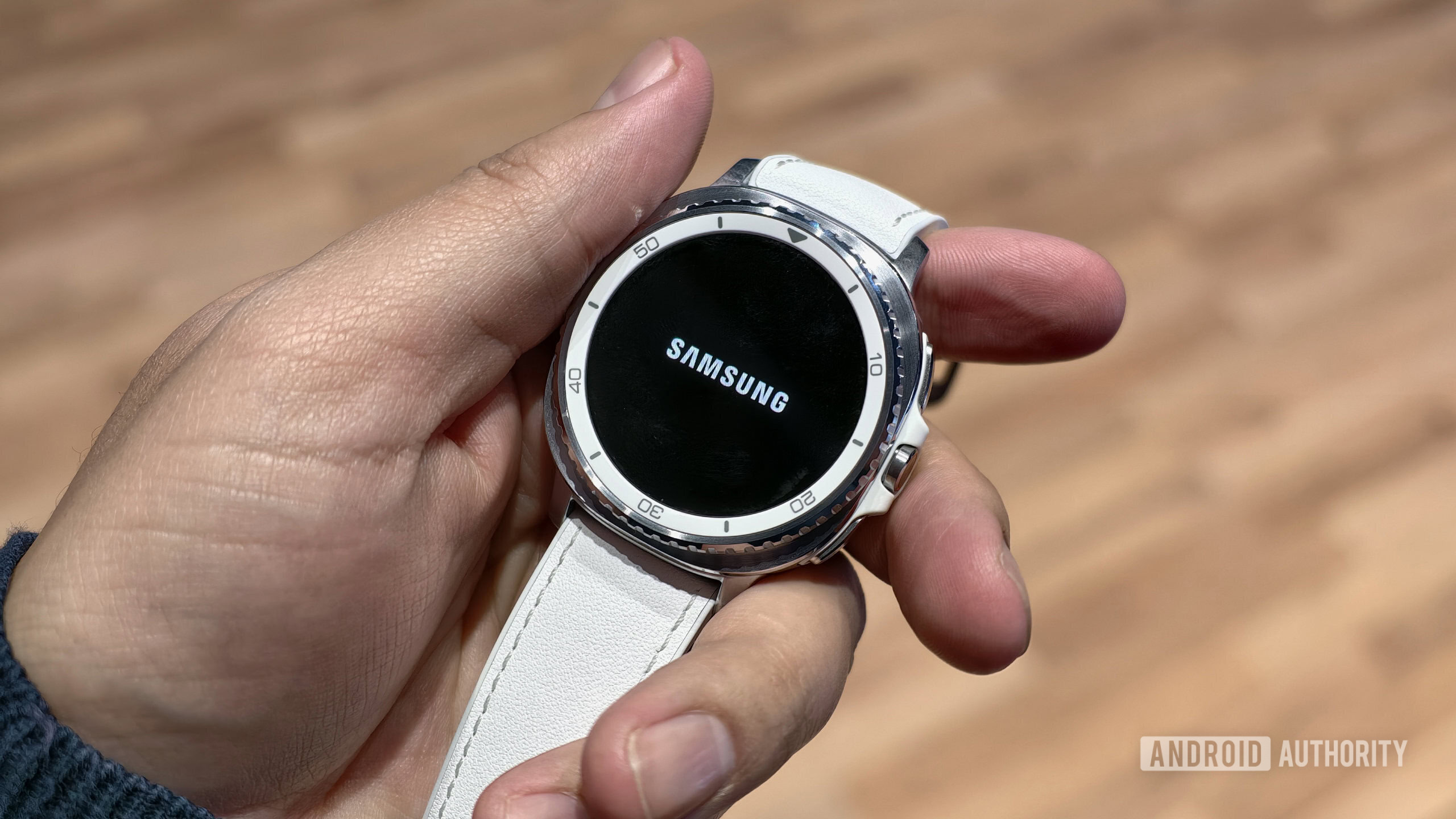
In the fast-paced world of wearable technology, Samsung's Galaxy Watch has long been a favorite among health-conscious consumers. However, as the market continues to evolve, some users are growing frustrated with the limitations imposed by the company. Despite Samsung's reputation for innovation, the brand still keeps some of its top health features exclusive to users of Samsung phones. This exclusivity has sparked debates among tech enthusiasts and casual users alike, as many believe that the Galaxy Watch's potential is being underutilized.
The Galaxy Watch 9, the latest iteration in the line, boasts impressive capabilities, from tracking workouts and sleep patterns to monitoring heart rate and blood oxygen levels. These features are designed to provide users with a comprehensive view of their health and well-being. However, for non-Samsung phone users, access to these advanced functionalities remains limited. This gated experience has led to a sense of frustration among some customers, who argue that the Galaxy Watch's true potential can only be realized when it is fully integrated with any smartphone, not just those made by Samsung.
One of the most significant features that remains exclusive to Samsung phone users is the seamless integration of health data. When paired with a Samsung smartphone, the Galaxy Watch can effortlessly sync data with the company's Health app, offering a unified view of a user's fitness and health metrics. This integration allows for more accurate tracking and analysis, as well as the ability to set personalized goals and receive tailored recommendations. However, for users of other brands, this level of integration is not available, resulting in a fragmented experience.
Another area where Samsung's exclusivity is felt is in the availability of certain apps and services. Some health and fitness apps, such as Samsung Health, are optimized for use with Galaxy devices, ensuring smooth performance and seamless data transfer. For non-Samsung users, accessing these apps may not be as efficient, leading to a less optimal experience. This exclusivity not only limits the functionality of the Galaxy Watch but also creates a barrier for users who are invested in other ecosystems.
The issue of exclusivity extends beyond just the Galaxy Watch. Samsung's approach to its wearable devices has been a point of contention for years. While the company has made strides in improving cross-platform compatibility, the core health features remain locked behind its ecosystem. This has led some to question whether Samsung is prioritizing its own device sales over the broader market potential of its wearables.
Despite these limitations, the Galaxy Watch 9 remains a popular choice among consumers. Its sleek design, long battery life, and robust feature set make it a compelling option for those looking to invest in a smartwatch. However, the desire for greater compatibility and openness in the health tracking space is growing. As more users demand access to their health data regardless of their phone brand, Samsung faces pressure to reconsider its strategy.
In response to these concerns, Samsung has been slowly expanding the compatibility of its wearables. The company has introduced features like Galaxy Watch apps that allow for better integration with non-Samsung devices. Additionally, Samsung has been working on improving cross-platform compatibility for certain health features. However, many users argue that these efforts are not sufficient, and that the company needs to take a more decisive step towards opening up its ecosystem.
The debate over Samsung's exclusivity extends beyond just the Galaxy Watch. It touches on the broader landscape of the tech industry, where ecosystem lock-in is a common strategy. While this approach can drive sales and ensure a seamless user experience, it can also stifle innovation and limit market competition. As wearable technology continues to evolve, the demand for interoperability and openness is only expected to grow.
In conclusion, while Samsung's Galaxy Watch 9 is a powerful device with impressive health tracking capabilities, the exclusivity of certain features to Samsung phone users has become a point of contention. As the market for wearables matures, consumers are increasingly demanding greater compatibility and openness. Samsung faces a challenge in balancing its commitment to its ecosystem with the broader market's needs. Only time will tell whether the company will prioritize its own device sales or embrace a more inclusive approach that unlocks the full potential of its wearables for all users.