
'I adore her now': Mother learns to cope with child's autism in a country with little help
Malawian Martha Ongwane, brought low by her daughter's autism, found a rare support group.
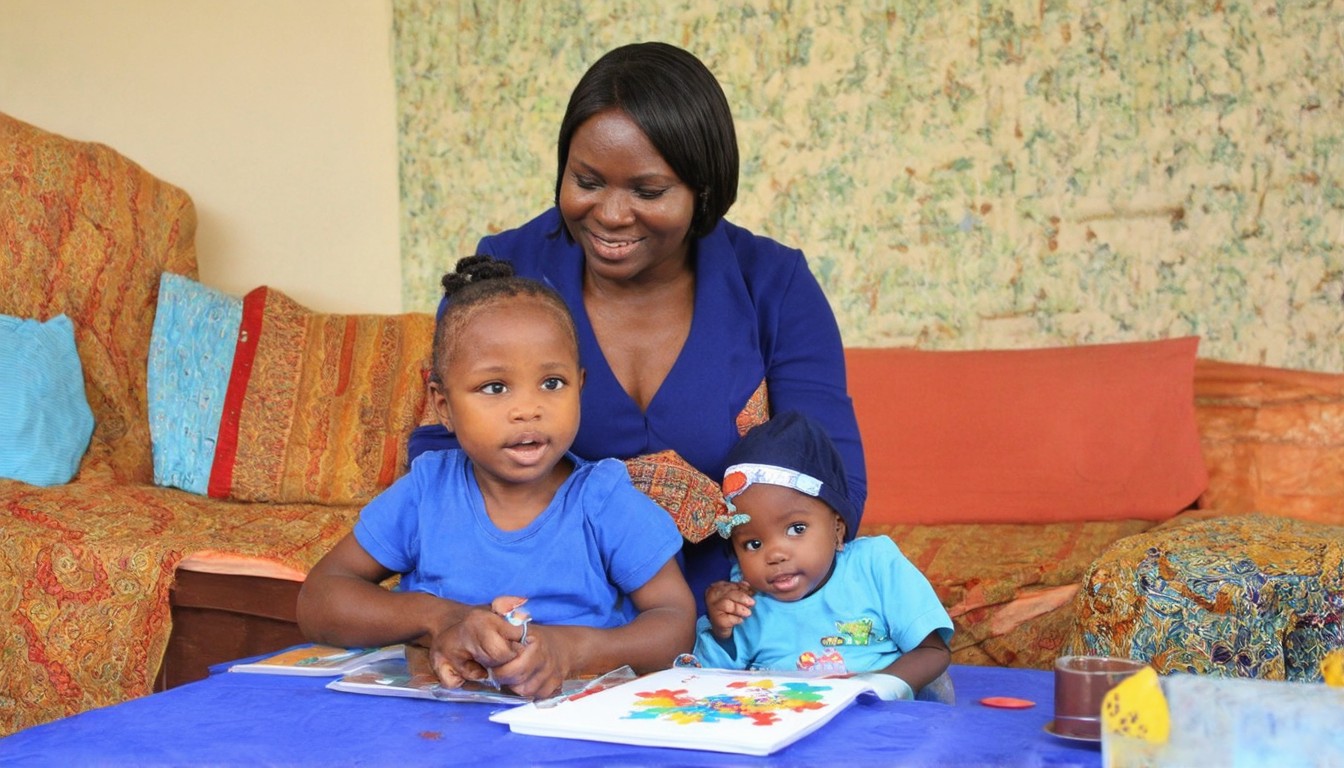
In a small village in Malawi, Martha Ongwane faced a daunting challenge. Her daughter, Lillian, was diagnosed with autism, a condition that often leaves families feeling isolated and overwhelmed. In a country where resources and understanding of autism are limited, Martha initially struggled to find support. The diagnosis had left her feeling helpless, unsure of how to help her daughter or even how to navigate the limited healthcare system.
Martha's journey began when she took Lillian to a local clinic for what she thought was a simple check-up. The doctor's diagnosis left her stunned. Autism, she learned, was a complex condition that affected communication, behavior, and social interaction. The doctor provided little guidance on how to proceed, leaving Martha to figure out the next steps on her own.
In the early days, Martha felt trapped. She had heard of autism from television shows and documentaries, but the realities of the condition were different. Lillian's behavior often confused those around her, and Martha felt the weight of misunderstanding and judgment. Neighbors would ask why Lillian didn't respond to her name or why she seemed so withdrawn. Martha, in turn, felt the sting of these questions, wondering how to explain a condition that many in her community did not understand.
Despite the challenges, Martha was determined to find a way to help her daughter. She began searching for information online, hoping to find resources or support groups. To her surprise, she discovered that there were very few options available in Malawi. The country's healthcare system struggled to address the needs of children with autism, and there were few specialized programs or therapies. Martha felt frustrated and alone, wondering how she could provide the care Lillian needed.
One day, while browsing social media, Martha stumbled upon a group of parents who were also navigating the challenges of autism in Malawi. The group, called "Together for Autism," was a small but growing community of families who shared advice, resources, and support. Martha joined the group with hesitation, unsure of what to expect. But as she began interacting with the other parents, she found a sense of camaraderie and understanding that she hadn't experienced before.
The support group provided Martha with invaluable insights. They shared stories of their own struggles and successes, offering practical advice on how to manage Lillian's behavior and needs. Martha learned about simple techniques to help Lillian cope with sensory overload, and she discovered local therapists who were willing to work with children on a limited budget. The group also connected her with a network of volunteers who helped with daily tasks, allowing Martha to focus on her daughter's needs.
As Martha became more involved in the support group, she began to see a shift in her perspective. She realized that she was not alone in her struggle. The group's members, like herself, were driven by love and a deep desire to help their children. They shared a common goal: to create a better life for their autistic children in a world that often seemed inhospitable.
Martha's journey with the support group also led her to advocate for change. She began reaching out to local organizations and government officials, urging them to provide better resources and support for families with autistic children. Her efforts slowly began to bear fruit. A few local clinics started offering autism assessments, and some schools began incorporating special education programs.
Through her experiences, Martha has come to understand the power of community and the importance of advocacy. She now sees her daughter's autism not as a burden but as a unique aspect of her identity. Lillian's resilience and strength have inspired Martha, and she has learned to appreciate the small victories along the way.
Martha's story is a testament to the resilience of families facing autism in under-resourced settings. Her journey highlights the need for greater awareness and support, not just in Malawi, but around the world. As she continues to support her daughter and advocate for change, Martha's story serves as a beacon of hope for others navigating similar challenges.








