
'I adore her now': Mother learns to cope with child's autism in a country with little help
Malawian Martha Ongwane, brought low by her daughter's autism, found a rare support group.
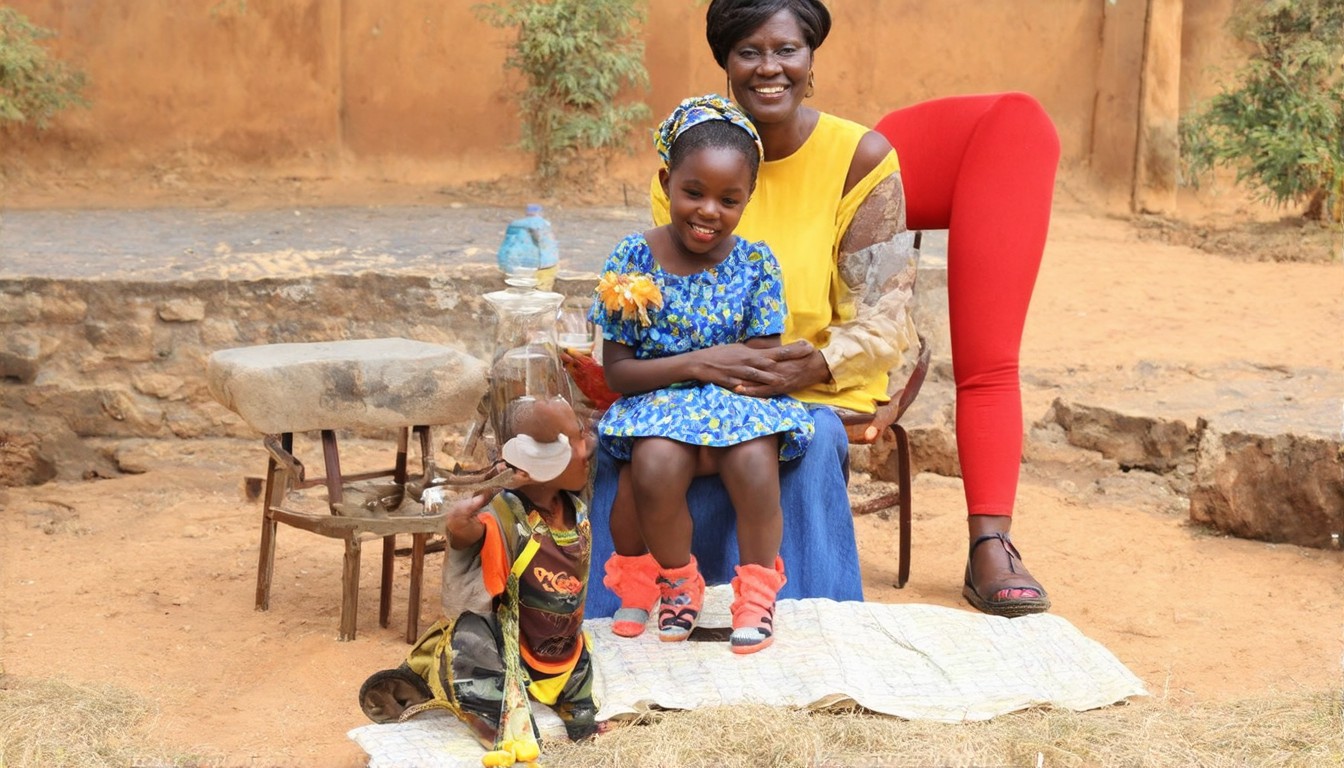
In a small village in Malawi, Martha Ongwane faced a daunting challenge. Her daughter, born with autism, presented a unique set of challenges that were compounded by the limited resources and understanding of the local community. For years, Martha struggled to find support, feeling isolated and overwhelmed by the lack of resources available to help her daughter thrive.
Martha's journey began when her daughter, now six years old, was diagnosed with autism at the age of three. The diagnosis was a shock, as there was little awareness or support for autism in Malawi. Martha, like many parents in similar situations, felt she was alone in her struggle. She faced daily challenges in understanding her daughter's needs and finding the right interventions. The healthcare system in Malawi was under-resourced, and there were no specialized programs or schools for children with autism.
Despite the challenges, Martha was determined to provide the best possible life for her daughter. She sought help from local healers and traditional medicine practitioners, but their approaches did not address the specific needs of her daughter. Martha's despair reached a breaking point when she felt she was failing her child. It was during this darkest time that she stumbled upon a rare support group.
The support group, led by a local activist named Florence Mkandawire, was a small but dedicated network of parents and caregivers of children with autism. Florence had founded the group after her own son was diagnosed with autism, driven by a desire to connect with others facing similar struggles and to advocate for better support systems. The group met regularly, sharing experiences, resources, and strategies to help each other cope.
Martha's first meeting with the group was a turning point. She found solace in the shared stories of other parents who were also learning to navigate the complexities of autism. The group provided Martha with valuable information about available resources, such as online forums and international organizations that could offer assistance. They also connected her with a local psychologist who had some experience working with autistic children.
Through the support group, Martha discovered that she was not alone in her struggle. She began to understand that her daughter's autism was not a personal failure but a unique condition that required patience and understanding. The group's emphasis on acceptance and love helped Martha reframe her perspective. She started to see her daughter's autism not as a limitation, but as a part of her identity that needed nurturing and support.
Martha's newfound sense of community also inspired her to advocate for change. She began to reach out to local leaders and organizations, sharing her story and the challenges faced by families of children with autism in Malawi. Her efforts led to the establishment of a small autism awareness campaign in her village. The campaign included workshops for teachers and community members to educate them about autism and its impact on families.
Martha's journey has been transformative. She has learned to embrace her daughter's autism and has become a beacon of hope for other parents in similar situations. The support group has given her the strength to continue her fight for better resources and understanding in Malawi.
Martha's story is a testament to the power of community and the resilience of a mother's love. In a country with limited resources, she has found a way to cope with her daughter's autism and has even begun to make a difference in her community. Her journey highlights the urgent need for more support systems and awareness programs for children with autism and their families in Malawi and around the world.








