India T20I Squad Post-IPL 2026: Patidar Captaincy Speculation
A recent analysis projects a significantly revamped India T20I squad following the 2026 IPL season, potentially featuring new leadership under Rajat Patidar and a host of emerging young talent, signalling major shifts in national team composition.
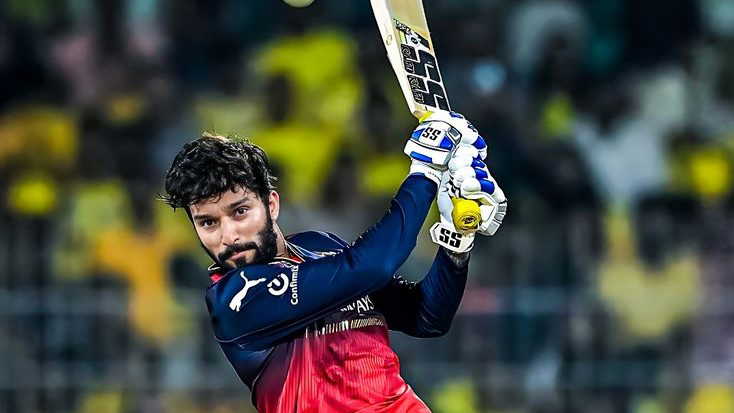
The landscape of Indian cricket is perpetually in flux, with the Indian Premier League (IPL) serving as a powerful crucible for talent. As the sport continues its rapid evolution, particularly in the T20 format, discussions about the future composition of the national squad are inevitable. A recent hypothetical projection, drawing solely from anticipated performances in the 2026 IPL season, suggests a significant overhaul for India's T20 International (T20I) team, hinting at major changes and the rise of a new generation of cricketers.
Central to this speculative outlook is a potential shift in leadership. According to the analysis, Rajat Patidar could emerge as a frontrunner for the captaincy, hypothetically stepping into the role currently held by Suryakumar Yadav. This proposed change underscores the dynamic nature of T20 cricket, where consistent high-level performance and leadership acumen demonstrated in the demanding environment of the IPL can rapidly alter national team prospects. Such a transition, if it were to materialise, would signify a bold new direction for the team's strategic command.
The IPL has, over the years, proven to be an unparalleled platform for identifying and nurturing talent. Its intense competitive nature and global viewership mean that standout performances often translate into national team consideration. The hypothetical squad for India's T20I team post-IPL 2026 is reportedly constructed entirely on this premise, emphasising the immediate impact and sustained excellence players are expected to showcase in the league. This methodology highlights a meritocratic approach, where recent form and suitability for the shortest format take precedence.
The projection also points towards the significant rise of young stars. The fast-paced, high-stakes nature of T20 cricket often favours players who possess exceptional athleticism, innovative shot-making abilities, and a fearless approach. The IPL provides the perfect stage for these attributes to shine, and the hypothetical squad is envisioned to be populated by such emerging talents. Their inclusion would inject fresh energy and diverse skill sets into the national setup, crucial for maintaining India's competitive edge on the global stage.
Such major changes are not uncommon in international cricket, especially in the T20 format, which demands constant adaptation and evolution. Teams are always on the lookout for players who can perform under pressure, adapt to various match situations, and contribute across all facets of the game – batting, bowling, and fielding. The envisioned post-IPL 2026 squad reflects this ongoing quest for optimal balance and performance, with a keen eye on those who deliver consistently in the domestic league.
The potential elevation of Rajat Patidar to captaincy, replacing an established player like Suryakumar Yadav, would be a noteworthy development. While Suryakumar has been a pivotal figure in India's T20I setup, known for his audacious stroke play and match-winning abilities, the hypothetical scenario suggests a future where new leaders might be entrusted with the team's reins. This reflects a broader trend in Indian cricket of continuously evaluating leadership options and fostering new captains from within the domestic circuit, preparing them for the rigours of international command.
The emphasis on IPL performances as the sole determinant for this hypothetical squad underscores the league's immense influence on national selection policies. It suggests a future where a player's immediate impact and suitability for the T20 format, as demonstrated in the world's premier franchise league, could become the paramount criteria. This approach, while potentially controversial, aims to ensure that the national team always fields players who are in peak form and possess the specific skills required for success in T20 internationals.
Ultimately, while this remains a purely hypothetical exercise based on future projections, it offers a fascinating glimpse into the potential trajectory of India's T20I team. It highlights the continuous churn of talent, the relentless pursuit of excellence, and the pivotal role of the IPL in shaping the national cricketing narrative. The prospect of new faces, young stars, and a fresh captaincy candidate like Rajat Patidar replacing Suryakumar Yadav, keeps the future of Indian cricket an exciting and much-anticipated topic of discussion among fans and analysts alike, constantly looking ahead to what the next season and beyond might bring to the fore.
This forward-looking perspective serves as a reminder that even established positions are subject to the relentless demands of performance and the emergence of new talent. The dynamic interplay between domestic league success and international aspirations ensures that the Indian cricketing ecosystem remains vibrant, competitive, and ever-evolving, always striving to identify the next generation of match-winners and leaders who can carry the nation's cricketing legacy forward on the global stage.