Hydro-Québec launches grant for residential, commercial solar
Hydro-Québec has introduced a grant offering up to CAD 1,000 ($718.40) per kilowatt installed, covering up to 40% of eligible costs to accelerate rooftop solar adoption and reduce payback periods for residential and business customers in the Canadian province of Québec.
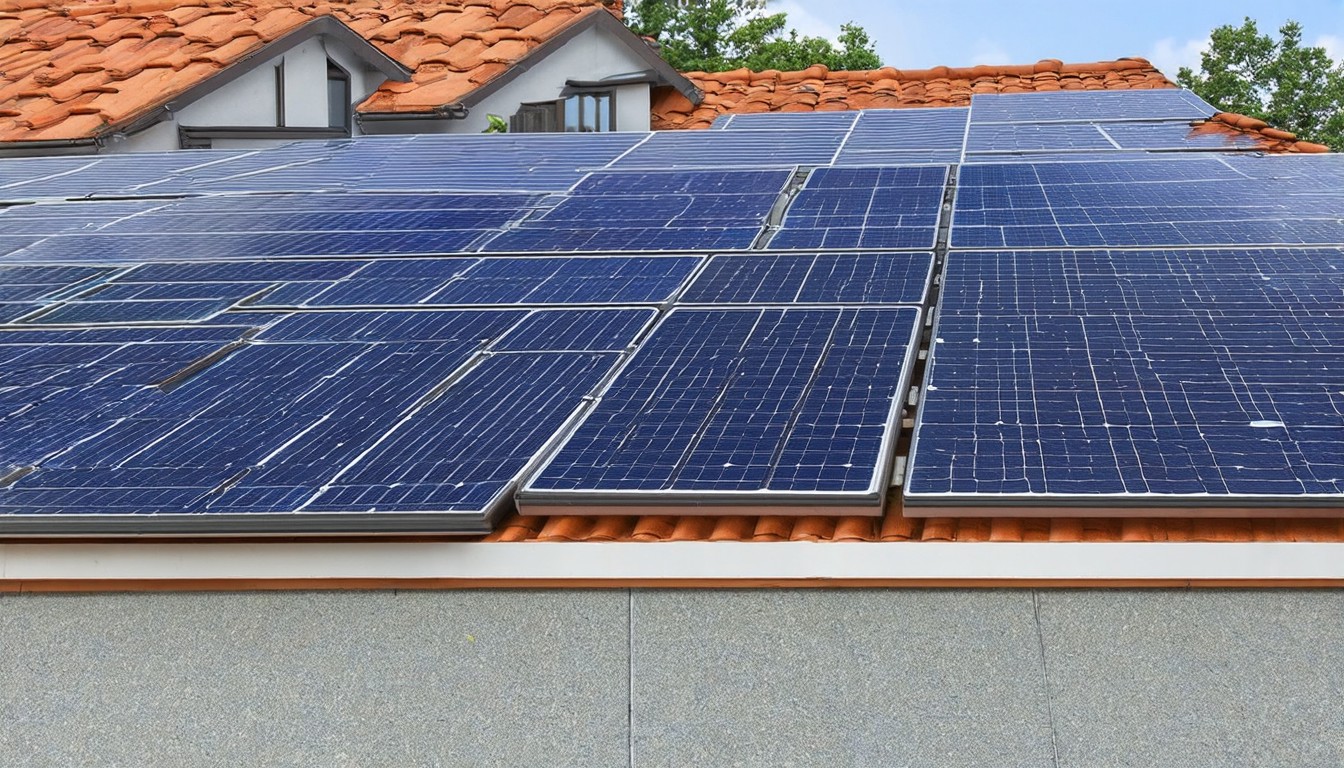
Hydro-Québec, the provincial utility company in Quebec, Canada, has introduced a new grant program aimed at accelerating the adoption of rooftop solar systems for both residential and commercial customers. The grant offers up to CAD 1,000 ($718.40) per kilowatt installed, covering up to 40% of eligible costs. This initiative is part of Hydro-Québec's broader strategy to expand solar generation in the province and reduce payback periods for customers who choose to generate their own electricity.
The grant program is designed to make solar installations more accessible and financially viable for a wider range of customers. Typical residential solar systems in Quebec cost between CAD 5,000 and CAD 6,000, while commercial installations average around CAD 45,000. With the new grant, Hydro-Québec expects typical payback periods for customers to decrease significantly. Previously, payback times for residential systems were estimated to be between 25 and 30 years, but the grant is expected to reduce this to around 10 to 12 years. For commercial customers, the reduction in payback periods will also be substantial, making solar energy a more attractive option for businesses looking to reduce their energy costs and environmental impact.
Residential customers in Quebec can apply for the grant through the LogiVert Efficient Homes Program. To be eligible, installations must have been completed on or after June 30, 2025, and must meet the program's eligibility requirements. Commercial customers, on the other hand, can apply via the OSE calculation tool under the Efficient Solutions Program. Projects must meet technical and administrative criteria and be purchased after March 31, 2026.
In addition to the grant, Hydro-Québec is also offering participating customers the option to enroll in a net metering program. This allows them to export any surplus electricity generated by their solar systems back to the grid in exchange for kilowatt-hour credits. Hydro-Québec has recently increased the maximum self-generation capacity under this net metering option from 50 kW to 1 MW, further encouraging the adoption of larger solar installations.
To qualify for the grant, all solar installations must secure authorization for grid connection from Hydro-Québec and comply with the technical standards set out under the relevant residential and commercial program frameworks. This ensures that the installations are safe, reliable, and compatible with the existing electrical infrastructure.
The launch of this grant program comes at a time when the Canadian energy sector is increasingly focused on transitioning to renewable energy sources. As of the end of 2025, Canada's total installed photovoltaic (PV) capacity stood at around 5.4 GW, with Quebec contributing significantly to this figure. The new grant program from Hydro-Québec is expected to further boost solar adoption in the province, helping to meet Canada's growing demand for clean, renewable energy and reducing the country's reliance on fossil fuels.
In conclusion, Hydro-Québec's new grant program for residential and commercial solar installations is a significant step towards promoting clean energy adoption in Quebec. By offering financial incentives and reducing payback periods, the program aims to make solar energy more accessible and attractive to a wider range of customers. This initiative not only supports the province's transition to renewable energy but also contributes to Canada's broader efforts to reduce its carbon footprint and meet global climate goals.