Hungary's Orbán has long annoyed the European Union. Now some hope he faces defeat
Hungary's upcoming election has significant implications for the European Union
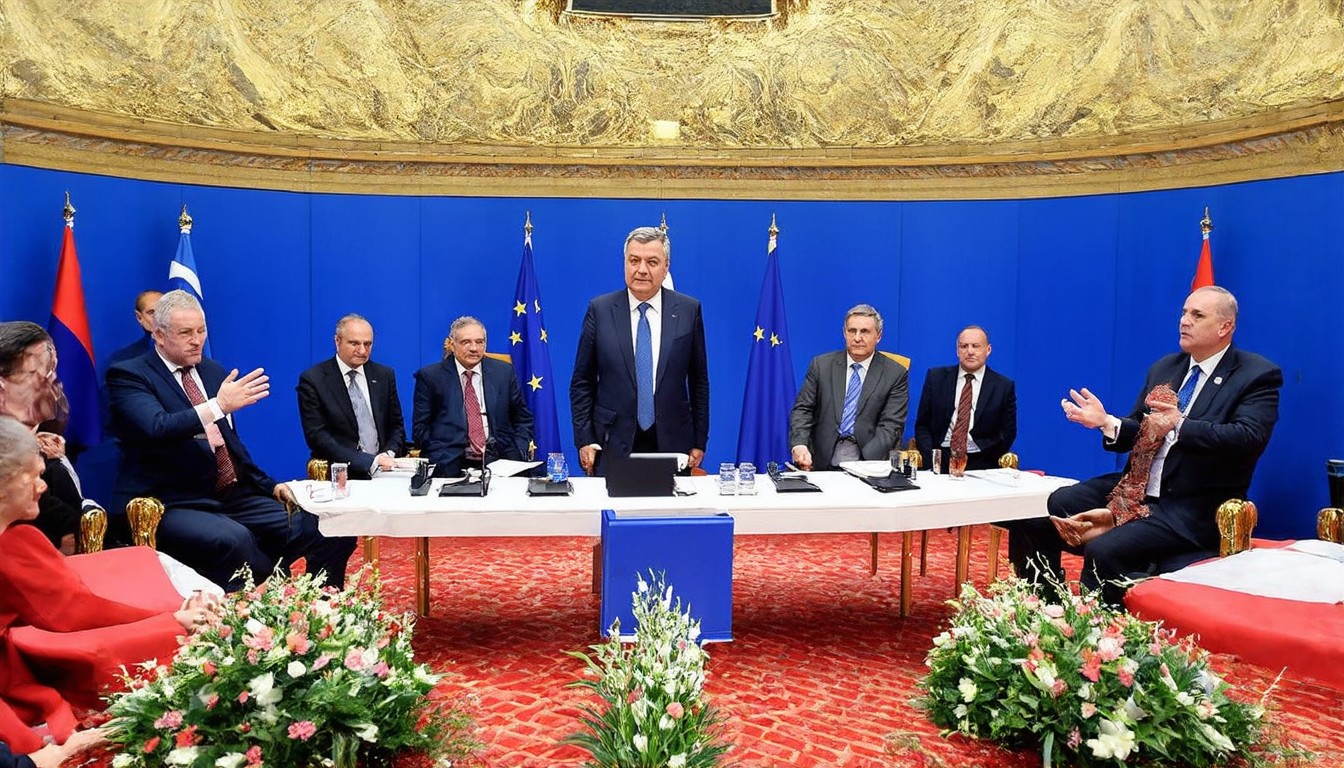
Hungary's Prime Minister Viktor Orbán has long been a contentious figure within the European Union, known for his controversial policies and frequent clashes with Brussels. His government's stance on issues such as immigration, LGBT rights, and judicial independence has drawn criticism from EU institutions and other member states. Now, as Hungary prepares for its upcoming parliamentary election, there is renewed interest in whether Orbán's Fidesz party will retain its majority, and whether this could mark a turning point for the region and the EU as a whole.
The election, scheduled for April 2024, is expected to be closely watched by EU leaders and analysts. Orbán has been in power since 2010, and his party has consistently secured a majority in parliament, allowing him to enact policies that have been described as authoritarian by critics. However, recent polls suggest that opposition parties may be gaining ground, particularly in urban areas and among younger voters. This could signal a shift in public opinion, as Hungarians increasingly express concerns about economic stagnation, inflation, and the impact of the war in Ukraine.
One of the key issues in the election is the economy. Hungary has faced significant challenges in recent years, including high inflation and a weak currency. The opposition parties have capitalized on these issues, accusing Orbán's government of mismanagement and corruption. They argue that the country needs a fresh approach to economic policy, focusing on job creation, attracting foreign investment, and improving public services. If opposition parties make significant gains, they may push for reforms that could align Hungary more closely with EU standards, potentially easing tensions with Brussels.
Another critical factor is the EU's ongoing disputes with Hungary over rule of law and human rights. The EU has frozen billions of euros in funds for Hungary due to concerns about the independence of the judiciary and the suppression of civil society. Orbán has repeatedly defended his policies, arguing that they are necessary to protect Hungarian sovereignty. However, if the opposition gains power, there may be a greater willingness to address these issues and rebuild relations with the EU. This could pave the way for the release of frozen funds and a more cooperative relationship between Budapest and Brussels.
The election also has implications for the broader European political landscape. Hungary's Fidesz party is a key member of the European Conservatives and Reformists (ECR) group in the European Parliament. If Orbán's party suffers significant losses, it could weaken the ECR's influence and potentially lead to a realignment of political forces within the EU. This could result in a more united bloc of centrist and liberal parties, which might be better positioned to address the challenges facing the continent, such as climate change, migration, and geopolitical tensions with Russia.
Despite the potential for change, it is important to note that Hungary's political landscape remains complex. Orbán's government has been effective in mobilizing its base, particularly in rural areas, and has a history of using state resources to support its campaigns. Additionally, the opposition is fragmented, with multiple parties vying for votes, which could make it difficult for any single group to form a stable government.
In conclusion, Hungary's upcoming election holds significant implications for both the country and the European Union. While there is hope that a change in government could lead to a more cooperative relationship with Brussels and address economic challenges, the outcome remains uncertain. The election will be a test of Hungarian democracy and a critical moment for the EU, as it could shape the future direction of the bloc in the years to come.