Hungary alleges plot to blow up gas pipeline ahead of election
Hungarian Prime Minister Viktor Orban has suggested explosives found near a pipeline supplying Russian gas to Hungary and Serbia was "an act of sabotage".
Hungary has recently accused unidentified parties of plotting to blow up a gas pipeline supplying Russian gas to the country and Serbia, just days before the national elections. Prime Minister Viktor Orban has described the discovery of explosives near the pipeline as an "act of sabotage," raising concerns over security and stability ahead of the upcoming vote.
The pipeline, which runs through Hungary and Serbia, is a critical component of the region's energy infrastructure, supplying natural gas from Russia to both countries. Orban's comments come as tensions rise in the region, with Hungary and Serbia both facing elections in the coming weeks. The Hungarian leader has been vocal about his concerns over potential foreign interference, particularly from Russia, in the lead-up to the elections.
In a recent statement, Orban emphasized the potential consequences of the sabotage attempt, warning that the explosion could have caused widespread devastation and disrupted energy supplies across the region. He also highlighted the importance of the pipeline in ensuring energy security for both Hungary and Serbia, which rely heavily on Russian gas imports.
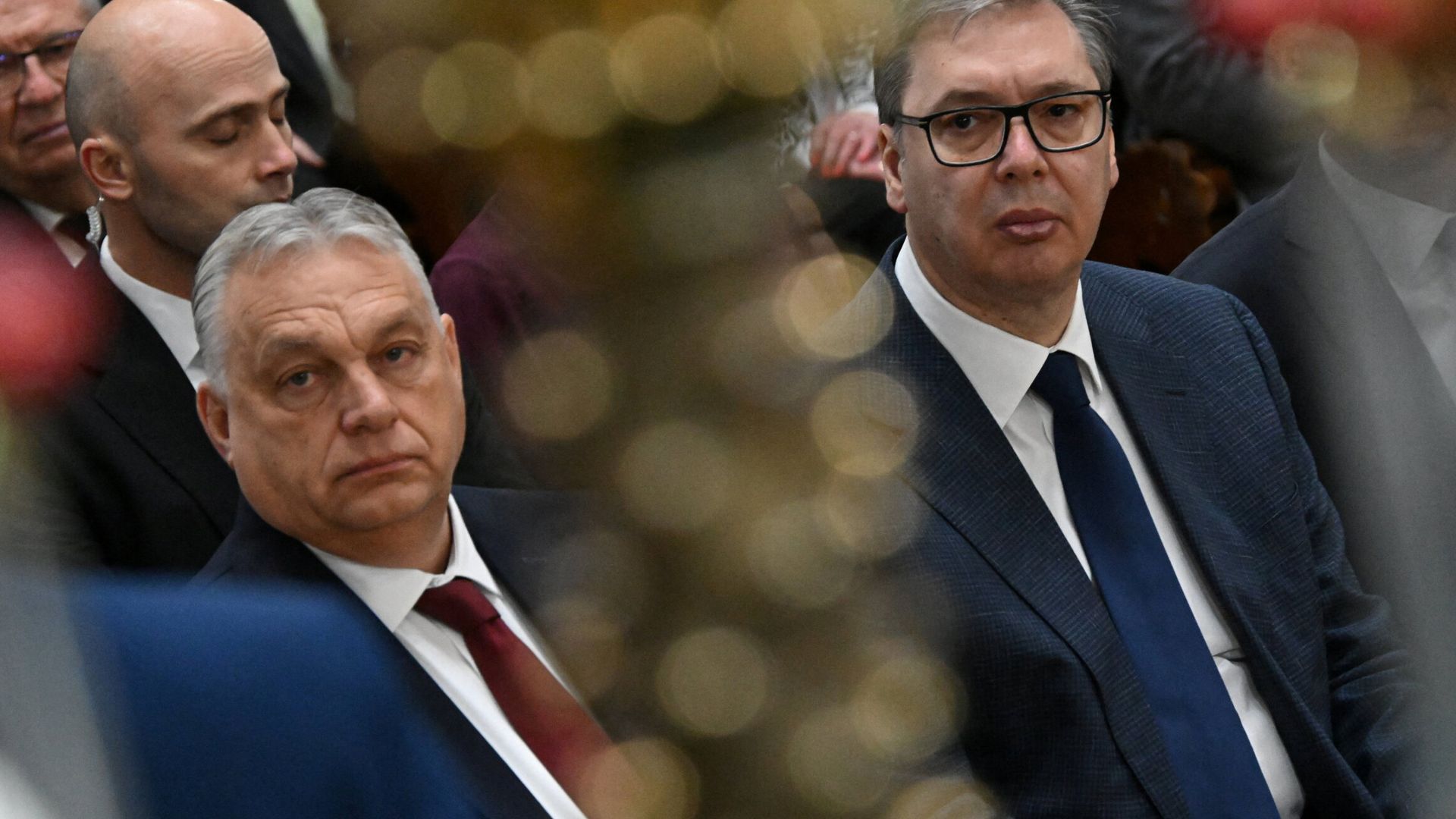
Orban's Serbian counterpart, President Aleksandar Vucic, has joined Hungary in condemning the alleged plot. Both leaders have warned that the consequences of such acts of sabotage could be severe, and have called for increased vigilance and cooperation between their security forces.
The discovery of the explosives has prompted a thorough investigation by Hungarian authorities, who are working closely with their Serbian counterparts to uncover the perpetrators. While no group has claimed responsibility for the plot, Hungarian officials have suggested that it could be linked to Russia, citing previous instances of alleged Russian interference in European elections.
However, Russian officials have denied any involvement, dismissing the allegations as baseless and politically motivated. They have accused Hungary of using the incident as a pretext to further strain relations with Moscow, particularly in the context of Hungary's upcoming elections.
The allegations have sparked widespread concern among Hungarian citizens, many of whom are already wary of potential foreign interference in their elections. Polls suggest that Orban's Fidesz party is leading in the race, but opposition parties and international observers are closely watching to ensure a fair and transparent vote.
The sabotage attempt has also raised questions about the broader geopolitical landscape in the region. Hungary and Serbia, both of which are members of the European Union, have been increasingly reliant on Russian energy supplies in recent years. This has led to criticism from some EU countries, which view Hungary and Serbia's energy policies as overly accommodating to Russian interests.
In the aftermath of the alleged plot, Hungarian and Serbian officials have reaffirmed their commitment to energy security and regional stability. They have pledged to strengthen their cooperation in the areas of security and energy, and to work together to prevent future acts of sabotage.
As the Hungarian elections approach, the allegations of sabotage have become a focal point of the political debate, with Orban's government using the incident to bolster its narrative of a unified national front against external threats. Meanwhile, opposition parties have accused the government of exploiting the situation for political gain, rather than focusing on the root causes of the region's energy vulnerabilities.
The incident has also drawn attention from international observers, who are closely monitoring the situation to ensure that Hungary's elections proceed without further interference. The European Union has called for a transparent investigation into the alleged sabotage, and has urged Hungarian and Serbian authorities to cooperate fully with their counterparts in the EU and beyond.
In the coming days, as Hungary prepares for its elections, the allegations of sabotage will likely remain a contentious issue, with both sides accusing the other of politicizing the situation. However, the discovery of explosives near the pipeline serves as a stark reminder of the potential risks and challenges facing Hungary and Serbia in their pursuit of energy security and regional stability.
As the investigation continues, it remains to be seen whether the alleged plot will have a significant impact on the outcome of the Hungarian elections. What is clear, however, is that the incident has heightened tensions in the region and underscored the complex interplay of politics, energy, and security in a rapidly changing geopolitical landscape.