Hungary alleges plot to blow up gas pipeline ahead of election
Hungarian Prime Minister Viktor Orban has suggested explosives found near a pipeline supplying Russian gas to Hungary and Serbia was "an act of sabotage".
Hungary has recently accused unidentified parties of plotting to sabotage a critical gas pipeline supplying Russian gas to the country and Serbia, just days before the national elections. Prime Minister Viktor Orban has described the discovery of explosives near the pipeline as an "act of sabotage," raising concerns about the security of Hungary's energy supply and the stability of the region.
The pipeline, which runs through Hungary and Serbia, is a key component of Russia's energy infrastructure, supplying natural gas to both countries. Hungary has long relied on Russian gas to meet its energy needs, and the pipeline has been a focal point of Hungary's energy policy. Orban's government has been vocal about its support for Russian energy supplies, arguing that they are essential for Hungary's economic stability.
The discovery of explosives near the pipeline has come as tensions rise in the region, with Hungary and Serbia both preparing for national elections. Hungary's parliamentary elections are scheduled for April 3, while Serbia's presidential election is set for April 2. Both countries are facing significant political uncertainties, with Hungary's ruling Fidesz party aiming to secure a fourth consecutive term in power under Orban's leadership.
Orban has not specified who he believes is behind the alleged sabotage, but his comments come amid heightened tensions between Hungary and the European Union. Hungary has been criticized by the EU for its policies on migration and rule of law, and some analysts suggest that the sabotage plot could be an attempt to destabilize the country ahead of the elections.
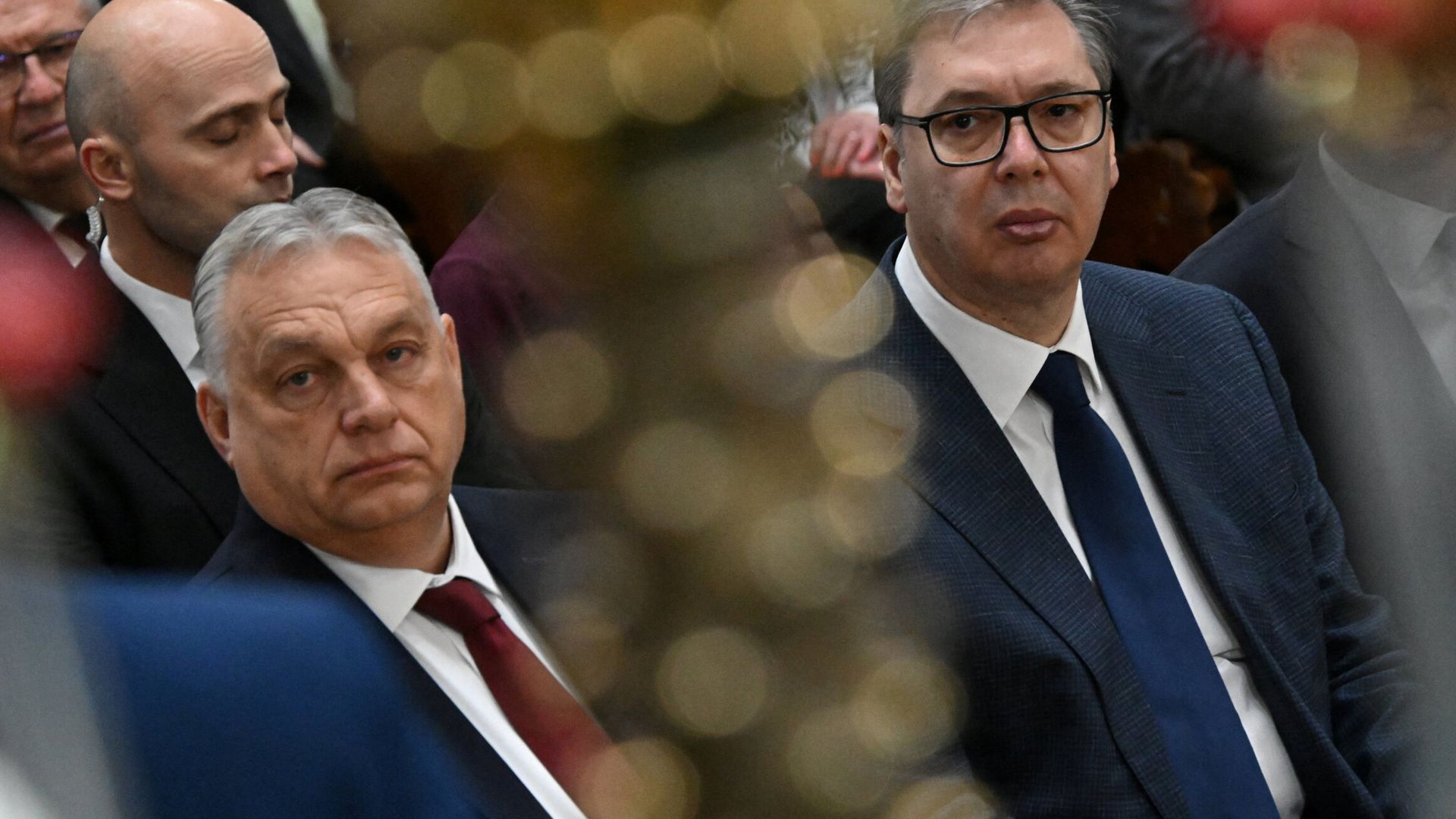
Serbian President Aleksandar Vucic has also weighed in on the situation, warning that the consequences of such an attack could have been catastrophic. Vucic, who is also running for re-election, has emphasized the importance of maintaining strong ties with Russia, particularly in the energy sector. The two leaders met in November to discuss regional energy security, highlighting their shared reliance on Russian gas supplies.
The Hungarian government has launched an investigation into the incident, with authorities searching the area near the pipeline for additional explosives and evidence. Security forces have been deployed to protect the pipeline, and officials have urged citizens to remain vigilant.
The allegations have sparked concerns among energy experts, who note that such an attack could disrupt gas supplies to both Hungary and Serbia, potentially affecting other countries in the region as well. The pipeline is part of a larger network of gas lines that connect Russia to Europe, and any disruption could have ripple effects across the continent.
Critics of Orban's government have accused him of using the incident to further polarize Hungarian politics ahead of the elections. They argue that the prime minister is exploiting fears of instability to consolidate power and deter opposition voters.
Despite the allegations, Hungary's energy minister, Mihaly Sesztak, has assured the public that the pipeline remains secure and that supplies are continuing without interruption. He has called on citizens to remain calm and not succumb to speculation.
The situation in Hungary and Serbia underscores the complex interplay of politics and energy security in the region. As both countries navigate their electoral processes, the alleged sabotage plot serves as a stark reminder of the vulnerabilities that can arise in the context of reliance on external energy supplies. The investigation into the incident is expected to continue, with Hungarian and Serbian authorities working closely together to ensure the safety of their shared infrastructure.