
Human content is 8x more likely than AI to rank #1 on Google: Study
New Semrush data shows human-written pages dominate top Google rankings, while AI content appears in lower Page 1 positions.
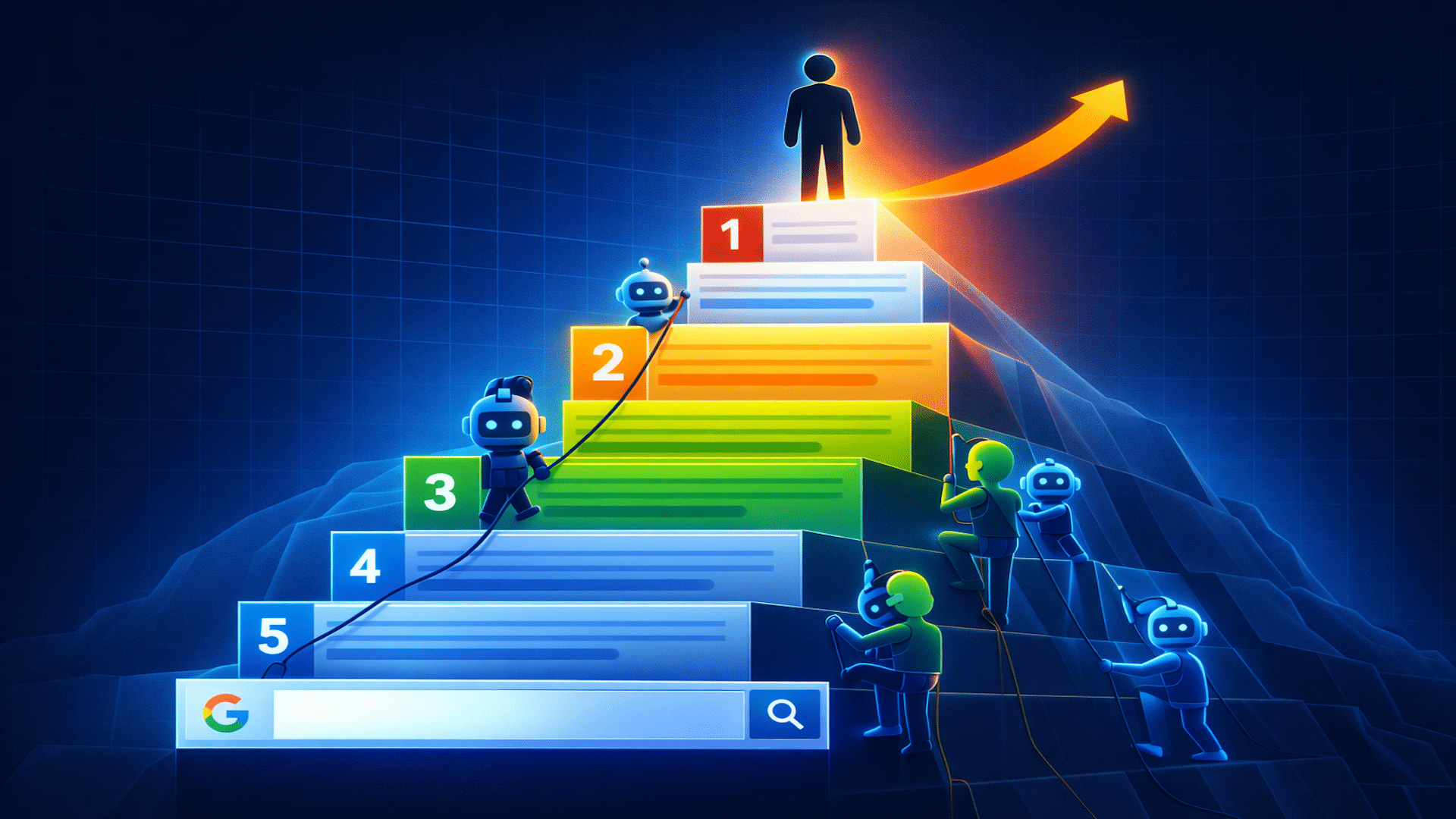
A recent study by Semrush has revealed that human-written content is significantly more likely to rank at the top of Google search results compared to AI-generated content. The analysis, which examined 42,000 blog posts across 20,000 keywords, found that human-written pages dominated the top rankings, appearing in the number one position 80% of the time, while purely AI-generated pages only secured the top spot 9% of the time. This stark contrast highlights the importance of human expertise and editorial judgment in achieving top search engine rankings.
The study classified content using an AI detector, analyzing the top 10 results for each keyword. Human-written pages outperformed AI and mixed content across all positions in the top 10. The gap between human and AI content was most pronounced at position one, where human content was eight times more likely to rank. AI content, on the other hand, appeared more frequently lower on the first page, nearly doubling in occurrence from positions one to four.
While the study's findings are clear, it's important to note that AI detection tools are not always accurate and can misclassify content as either human-written or AI-generated. This inconsistency may introduce some "fuzziness" into the classifications, potentially affecting the study's results. Despite these limitations, the data suggests that human insight remains a critical factor in achieving top search engine rankings, particularly for competitive queries.
The study also revealed a disparity between the perceived performance of AI content and its actual ranking data. Although 72% of SEO professionals surveyed believed that AI content performs as well as or better than human content, the ranking data showed a clear human advantage at the top. This discrepancy highlights the need for a more nuanced understanding of AI's role in content creation and search engine optimization.
Despite the data, AI is widely adopted by teams, often in a hybrid approach. A survey of 224 SEO professionals working in content and search found that 87% of teams keep humans heavily involved in content creation. Furthermore, 64% of teams use a human-led, AI-assisted workflow. AI is most commonly used in research, drafting, and optimization, but its use drops sharply for higher-judgment tasks such as multimedia, localization, and content editing.
The primary driver of AI adoption is its ability to accelerate content production. Seventy percent of teams cite faster production as AI's top benefit. However, only 19% believe that AI improves content quality. This suggests that while AI can help increase output, it does not reliably enhance the quality or originality of content, which are crucial factors for achieving top search engine rankings.
The study's findings underscore the enduring importance of human expertise, originality, and editorial judgment in the world of SEO. Although AI can be a valuable tool in the content creation process, the data shows that human-written content still holds a significant advantage when it comes to ranking at the top of Google search results. As teams continue to integrate AI into their workflows, it's essential to balance automation with human insight to ensure the best possible search engine performance.









