
How would a US ground assault on Iran unfold?
Trump now has the forces in place to carry out a limited operation, but it would be fraught with risk
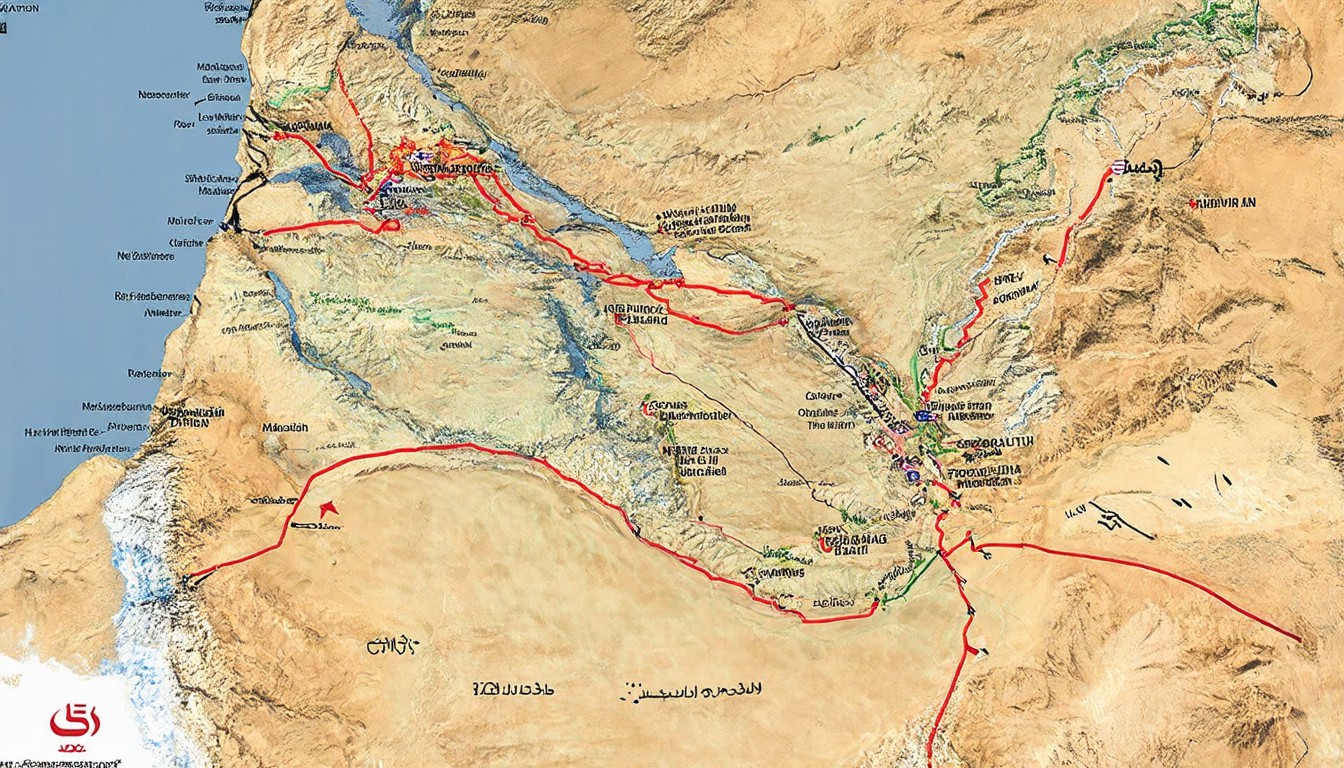
As tensions between the United States and Iran continue to escalate, the possibility of a ground assault on the Middle Eastern nation has become a topic of intense speculation. President Trump's recent address to the nation, in which he vowed to bring the war with Iran to a swift conclusion while also hinting at an imminent escalation, has fueled concerns about the potential for a military operation. Additionally, the deployment of thousands of American troops, including the 31st Marine Expeditionary Unit and paratroopers from the 82nd Airborne Division, to the region has raised questions about the administration's intentions.
Ruben Stewart, a Senior Fellow for Land Warfare at the International Institute for Strategic Studies (IISS) and a former infantry officer in the New Zealand Defence Force and United Nations peacekeeper, discussed with the New Statesman the potential for a ground assault in Iran and the challenges involved in such an operation. Stewart noted that Trump's speech was difficult to interpret, as the president's objectives have varied throughout his campaign. However, the history of Trump's military operations, such as Operation Rough Rider against the Houthis in Yemen and Operation Midnight Thunder in Libya, may provide some insight into the possible direction of the conflict.
One potential target for a ground assault could be Kharg Island, a key Iranian oil export hub. Trump has previously suggested that the US could take the island "very easily." Seizing Kharg Island would offer strategic advantages, as it is a critical node in Iran's oil infrastructure. However, the operation would not be without risks. The island is located in the Persian Gulf, a region with complex maritime and territorial disputes. A ground assault would require careful planning to avoid provoking further conflict with neighboring countries or triggering a broader regional war.
Another possibility is an attempt to seize small islands in the Strait of Hormuz, a narrow waterway through which a significant portion of global oil shipments pass. Controlling the Strait of Hormuz would allow the US to exert pressure on Iran by disrupting its oil exports. However, such an operation would carry substantial risks. The Strait is a highly contested area, with both Iran and the US already maintaining a significant military presence. A ground assault could lead to direct confrontations between the two nations' forces, potentially escalating into a full-scale conflict.
Stewart emphasized that any ground operation in Iran would be complex and fraught with challenges. The Iranian military is well-equipped and has demonstrated its capabilities in recent conflicts, such as the Yemen Civil War. Additionally, the US has faced difficulties in conducting ground operations in the region, as evidenced by the challenges encountered during the Iraq War. The potential for civilian casualties and the risk of alienating regional allies, such as Saudi Arabia and the United Arab Emirates, must also be considered.
In conclusion, while President Trump has the forces in place to carry out a limited operation, a ground assault on Iran would be a risky endeavor. The potential for escalation and the complexities of the region's geopolitical landscape must be carefully weighed. As the situation continues to develop, it remains uncertain whether a ground assault will materialize or if the conflict will be resolved through diplomatic means. The international community will be closely monitoring the situation, hoping for a de-escalation that avoids further violence and maintains regional stability.









