
How Women Came to Make Up Nearly 50% of India’s Agriculture Students
At a time when many young Indians are moving away from traditional careers, an unexpected shift is taking root inside agricultural classrooms. Across the country, lecture halls that once struggled to attract students are now buzzing with fresh energy, ambition, and ideas. Enrolments in agricultural universities have surged, even doubling in recent years, and what’s more striking is who is filling these seats — young women, now making up nearly half the student population. This isn’t just a numbers story. It signals something far more powerful: a generation that is reimagining agriculture not as a fallback but as a field of innovation, entrepreneurship, and meaningful change. A new age of agricultural education India’s agricultural education system is vast, anchored by a nationwide network of universities and research institutions that shape the future of farming. Lecture halls once overlooked are now filled with women reimagining farming as a future-ready career. Photograph: ( Dreamstime ) What’s changing today is not just access, but aspiration. Modern curricula are increasingly aligned with real-world challenges — climate change, food security, and sustainable farming. Students are no longer trained only in traditional agronomy but are exposed to interdisciplinary learning, combining science, business, and technology. Government-backed reforms and programmes have also played a key role, encouraging experiential learning, industry exposure, and skill-based education. The result: agriculture is no longer seen as a fallback option but as a meaningful, future-ready career. Technology is rewriting the farming playbook One of the biggest drivers behind this shift is technology. From
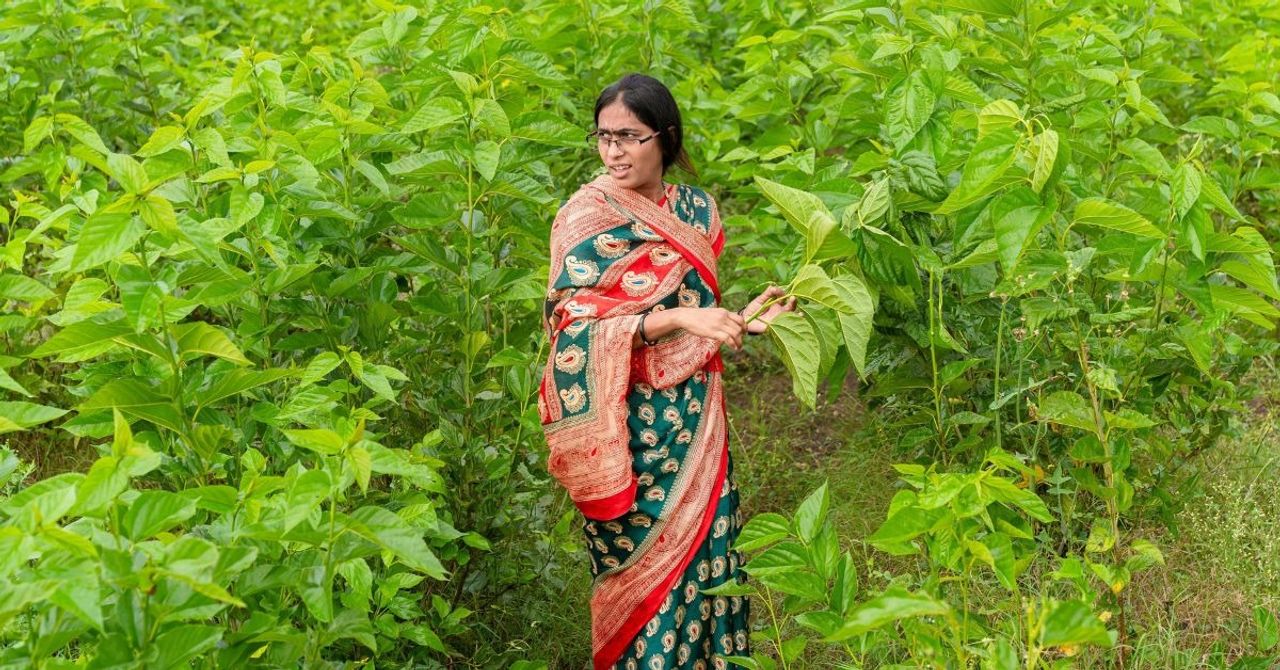
At a time when many young Indians are moving away from traditional careers, an unexpected shift is taking root inside agricultural classrooms. Across the country, lecture halls that once struggled to attract students are now buzzing with fresh energy, ambition, and ideas. Enrollments in agricultural universities have surged, even doubling in recent years, and what's more striking is who is filling these seats – young women, now making up nearly half the student population. This isn't just a numbers story. It signals something far more powerful: a generation that is reimagining agriculture not as a fallback but as a field of innovation, entrepreneurship, and meaningful change.
India's agricultural education system is vast, anchored by a nationwide network of universities and research institutions that shape the future of farming. Lecture halls once overlooked are now filled with women reimagining farming as a future-ready career. What's changing today is not just access, but aspiration. Modern curricula are increasingly aligned with real-world challenges – climate change, food security, and sustainable farming. Students are no longer trained only in traditional agronomy but are exposed to interdisciplinary learning, combining science, business, and technology.
Government-backed reforms and programs have also played a key role, encouraging experiential learning, industry exposure, and skill-based education. The result: agriculture is no longer seen as a fallback option but as a meaningful, future-ready career. Technology is rewriting the farming playbook. One of the biggest drivers behind this shift is technology. From artificial intelligence to data-driven farming, innovation is transforming agriculture into a high-impact, knowledge-led sector.
From AI tools to precision farming, technology is reshaping how students learn and practice agriculture. Photographs from Dreamstime and Unsplash capture this transformation, showing students immersed in cutting-edge technology and collaborative learning environments. These changes are not only attracting more women to the field but also fostering a culture of innovation and entrepreneurship.
Women's entry into agriculture education is not without challenges. Societal norms and traditional gender roles still pose barriers, but the changing landscape of the sector is offering them opportunities to break free from these constraints. The surge in female enrollment is a testament to their determination and the evolving nature of agricultural education.
The rise of women in agriculture is also linked to the broader economic transformation of India. As the country moves towards a more diversified economy, sectors like agriculture are being reimagined to meet the needs of a modern, tech-savvy workforce. This shift is creating new avenues for women to contribute to and lead in agriculture, moving beyond traditional roles.
In conclusion, the surge in female enrollment in agricultural universities in India is a reflection of a broader transformation in the sector. It's a story of aspiration, innovation, and the reimagining of agriculture as a field of high potential and meaningful change. As technology continues to drive this transformation, the future of agriculture in India looks brighter than ever, with women playing a pivotal role in shaping it.









