How Trump’s Endorsement in California Could Backfire Against Republicans
President Trump endorsed Steve Hilton, a Republican, in the governor’s race, which could help Democrats avoid being shut out of the general election.
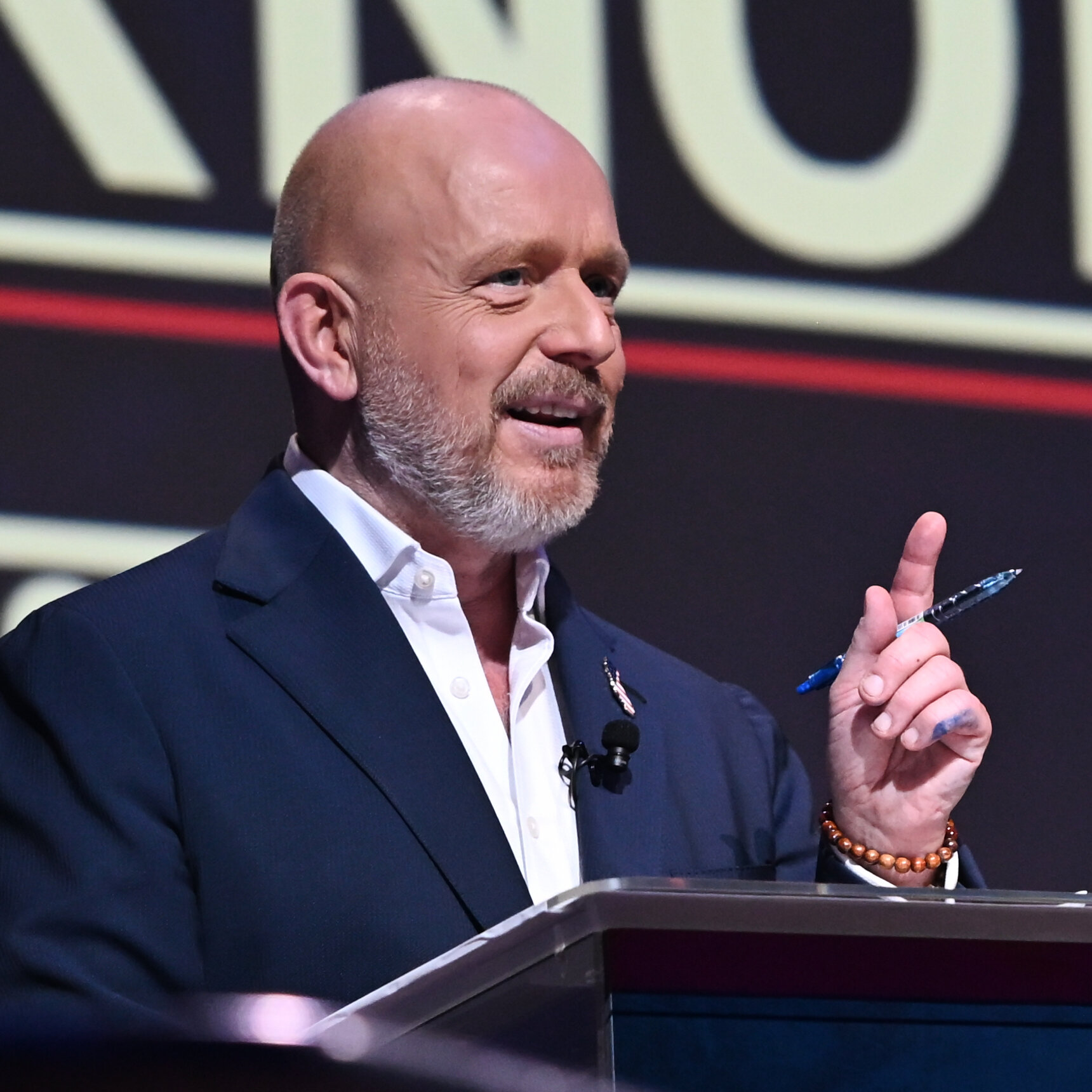
President Trump’s endorsement of Steve Hilton in the California governor’s race has sparked a wave of speculation about its potential impact on the Republican Party’s standing in the state. Hilton, a Republican and former Fox News host, has been seen as a moderate figure, which could potentially attract voters who are typically wary of the party’s more extreme positions. However, this endorsement has also raised concerns among Republicans about whether it could backfire, particularly in a state where Democrats have historically held a strong advantage.
California has long been a Democratic stronghold, with the party consistently winning statewide elections. In recent years, however, the Republican Party has made some inroads, particularly in suburban areas. This has led some strategists to believe that a moderate Republican candidate, backed by a figure like Trump, could attract enough support to avoid a Democratic sweep in the general election.
Hilton’s candidacy has been framed as an opportunity for Republicans to appeal to a broader electorate. His moderate stance on issues such as immigration and climate change could potentially draw in voters who are disillusioned with the more hardline positions often associated with the Republican Party. Additionally, his experience in media and public relations might give him an edge in shaping the narrative around his campaign.
However, the potential downside of Trump’s endorsement cannot be ignored. While it may help Hilton gain name recognition and credibility, it could also draw attention to the divisive nature of the Republican Party. In California, where many voters are increasingly disillusioned with politics and polarization, Trump’s association with Hilton might be seen as a negative. This could lead to a backlash, particularly among independent voters who might otherwise consider supporting a moderate candidate.
Moreover, the endorsement could complicate the Republican primary. If Hilton’s campaign gains momentum, it might force other Republican candidates to pivot their strategies, potentially leading to a more competitive race. This could result in a weaker candidate being nominated, which might ultimately benefit the Democrats.
Furthermore, the impact of Trump’s endorsement on the broader Republican Party could be significant. If Hilton’s campaign succeeds in avoiding a Democratic sweep, it might encourage the party to adopt more moderate positions in the future. However, if the endorsement backfires, it could reinforce the perception that the Republican Party is too polarizing to win in California.
In the end, the outcome of Hilton’s campaign will depend on a variety of factors, including his ability to connect with voters, the state of the national political climate, and the performance of other candidates in the race. While Trump’s endorsement could provide a boost, it also carries risks that could ultimately work against the Republicans in California. As the race unfolds, it will be interesting to see how Hilton navigates these challenges and whether his candidacy can truly alter the political landscape of the Golden State.