
How to watch Star Wars in order—even the shows
If you're settling in for a Star Wars marathon of galactic proportions, the order you watch everything in may matter. The post How to watch Star Wars in order—even the shows appeared first on Popular Science .
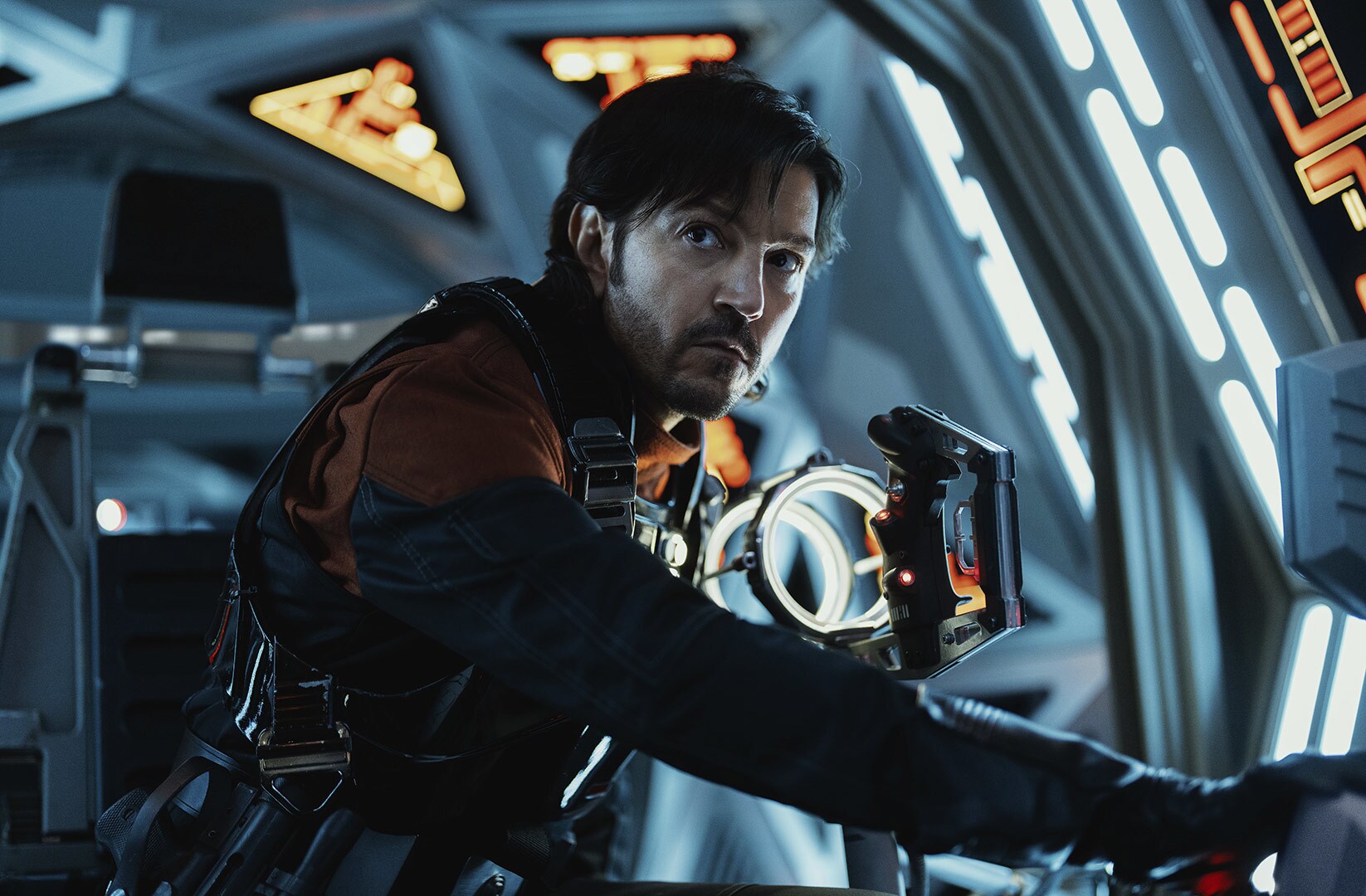
Since the release of Star Wars (now titled *A New Hope*) in 1977, the expansive Star Wars universe has grown to include 11 movies, nine animated shows, five TV series, and a vast array of non-canon content such as video games, books, and miniseries. For fans planning a comprehensive Star Wars marathon, determining the optimal viewing order can be daunting. However, it's important to note that there isn't a single "correct" order, as the Star Wars saga offers multiple ways to immerse oneself in the galaxy far, far away.
One approach is to watch the Star Wars movies in theatrical release order. This method follows the chronological order in which the films were initially released to the public. The original trilogy, spanning from 1977 to 1983, introduces iconic characters like Luke Skywalker, Princess Leia, Han Solo, and Chewbacca, setting the stage for the epic space opera. The prequel trilogy, released between 1999 and 2005, delves into the backstory of key characters, such as Anakin Skywalker's transformation into Darth Vader. Finally, the sequel trilogy, set between 2015 and 2019, offers a fresh perspective on the galaxy's future, featuring new characters like Rey and Kylo Ren.
Watching the movies in release order allows fans to experience the series as it unfolded over the years. While this approach doesn't always provide a seamless timeline, each trilogy stands on its own, offering complete arcs for major characters. The original trilogy's excitement and surprises are preserved, followed by the prequel trilogy's exploration of the Force's history. The sequel trilogy then provides a dramatic conclusion to the overarching narrative. This viewing order enables audiences to appreciate the evolution of the Star Wars universe and its enduring appeal across generations.
For those interested in incorporating television shows into their Star Wars binge, there are several options to consider. The animated series *Star Wars: The Clone Wars* (2008-2020) and *Star Wars: Rebels* (2014-2018) are set between the prequel and original trilogies, respectively, and offer valuable insights into the events leading up to the films. The live-action series *The Mandalorian* (2019-present) and *Obi-Wan Kenobi* (2022) are set after *Return of the Jedi* and explore the aftermath of the original trilogy. Meanwhile, *The Book of Boba Fett* (2021-present) and *Andor* (2022-present) further expand the Star Wars lore, focusing on beloved and new characters.
When incorporating shows into a viewing plan, fans should consider the chronological placement of each series. For example, *The Clone Wars* and *The Mandalorian* both take place during the Clone Wars era, while *Rebels* and *Andor* occur between the prequel and original trilogies. By watching shows in their respective timelines, viewers can maintain a cohesive narrative flow. However, it's also possible to mix and match shows and movies, as the Star Wars universe is designed to be enjoyed in various ways.
Ultimately, the best viewing order for Star Wars depends on individual preferences. Some fans may prioritize chronological accuracy, while others may prefer to watch their favorite films and shows in the order they were released. Regardless of the chosen method, diving into the Star Wars saga offers a thrilling journey through space and time, filled with memorable characters, epic battles, and a rich tapestry of storytelling that has captivated audiences for over four decades.








