
How to redraw a city, Out Loud
Japan faced some of the world’s toughest planning problems. It solved them by letting homeowners replan whole neighborhoods privately by supermajority vote.
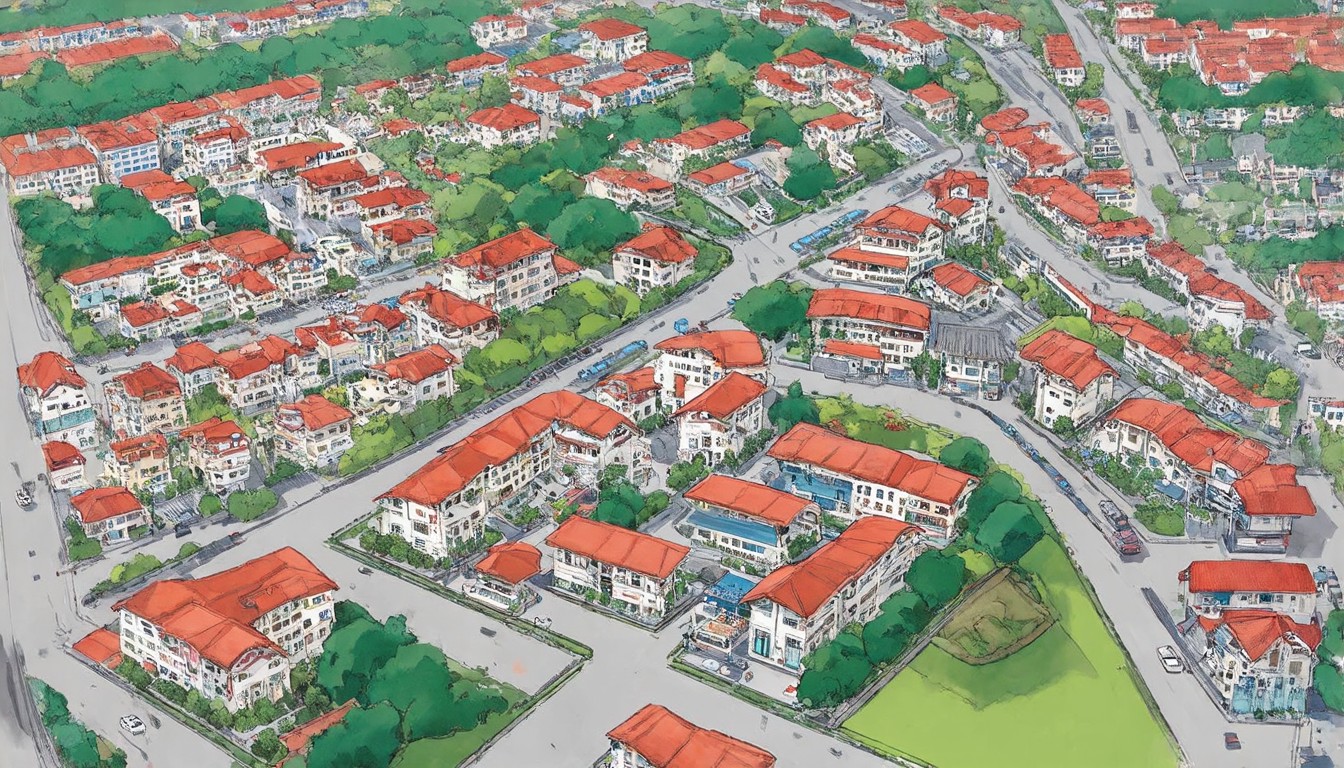
Japan has long been known for its advanced technology and unique cultural practices, but it's also a country that has successfully tackled complex urban planning challenges. In recent years, the nation has implemented a groundbreaking approach to redesigning entire neighborhoods through private, community-driven initiatives. This innovative method, which allows homeowners to vote on the redevelopment of their areas, has proven to be a powerful tool in addressing the country's urbanization issues.
The concept of "redrawing a city" in Japan stems from the need to adapt to rapid urbanization and the resulting strain on infrastructure. As cities like Tokyo, Osaka, and Kyoto grew at an unprecedented pace, traditional top-down planning approaches became increasingly ineffective. The government recognized the importance of engaging local communities in the decision-making process, which led to the development of a unique system that empowers homeowners with the authority to redesign their neighborhoods.
Under this system, homeowners in a given area can band together to propose a plan for the redevelopment of their neighborhood. This plan may involve the construction of new roads, parks, or other public facilities, as well as the reconfiguration of existing structures. Once a proposal is put forward, it must be approved by a supermajority of homeowners in the affected area. This ensures that the plan reflects the collective will of the community and that it is not imposed from above.
One of the key benefits of this approach is the ability to tailor urban redesign to the specific needs and preferences of the local population. In contrast to one-size-fits-all government plans, the "redraw a city" method allows for more flexibility and adaptability. Neighborhoods can evolve in ways that best suit their unique characteristics, whether it's preserving traditional architecture or incorporating modern sustainable design principles.
Moreover, this system fosters a sense of ownership and investment among homeowners. By participating in the decision-making process, residents become more invested in the success of their community. This can lead to increased property values and improved quality of life, as neighborhoods are redesigned to meet the needs of their inhabitants.
However, the "redraw a city" approach is not without its challenges. One potential issue is the potential for conflicts between different groups of homeowners with varying priorities. For example, some residents may prioritize green spaces, while others may prioritize increased parking or commercial development. In such cases, reaching a supermajority consensus can be difficult.
Despite these challenges, the success of the "redraw a city" method in Japan is undeniable. It has proven to be an effective way to address urbanization issues while maintaining community engagement and ownership. As cities around the world grapple with similar challenges, the Japanese model offers valuable insights into the potential benefits of decentralizing urban planning decisions.
In conclusion, Japan's innovative approach to urban redesign through private, community-driven initiatives represents a unique solution to the complex problems posed by rapid urbanization. By empowering homeowners to vote on the redevelopment of their neighborhoods, the country has created a flexible and adaptable system that prioritizes the needs and preferences of its citizens. While there are potential challenges to this method, the success of the "redraw a city" approach in Japan serves as a valuable example for cities around the globe seeking to balance urban growth with community well-being.









