How to Protect Your Kids From the Summer Heat (Without Cancelling Playtime)
India’s summer months are notoriously harsh, with temperatures often soaring well above 35°C in many parts of the country. For children, particularly those attending school , this heat can pose serious challenges, affecting not just comfort but also health, concentration, and overall well-being. While schools have fixed routines, parents and caregivers can take practical steps to make sure that children stay safe, hydrated, and active without risking heat-related illnesses. 1. Adjusting school timings The timing of school activities plays an essential role in protecting children from extreme heat. Early morning classes are preferable, as temperatures are generally cooler and the air is fresher. Many schools across India adjust their schedules during peak summer months, starting earlier and finishing before the afternoon heat becomes intense. For children, particularly those attending school, this heat can pose serious challenges. Photograph: (India TV News) Parents can support this by taking care that children reach school on time and avoid unnecessary exposure during the hottest hours of the day. 2. Planning safe play hours Outdoor activity is important for a child’s physical and mental development, but prolonged exposure to direct sunlight can be dangerous. Play sessions should ideally take place in the early morning or late afternoon, avoiding the period between eleven in the morning and four in the afternoon when the sun is strongest. Schools with shaded playgrounds or canopies provide added protection, while at home, parents can encourage games in shaded courtyards or verandahs. Even small adjustments can dramatically reduce the risk
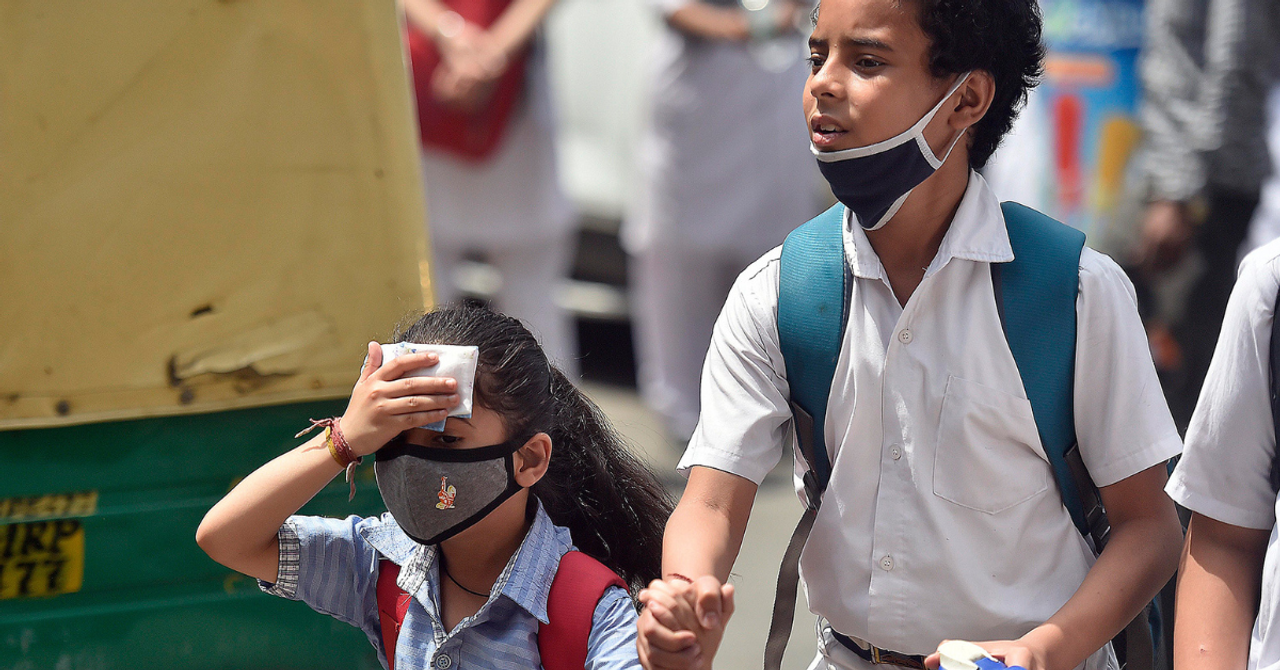
India's summer months are notoriously harsh, with temperatures often soaring well above 35°C in many parts of the country. For children, particularly those attending school, this heat can pose serious challenges, affecting not just comfort but also health, concentration, and overall well-being. While schools have fixed routines, parents and caregivers can take practical steps to ensure that children stay safe, hydrated, and active without risking heat-related illnesses.
The timing of school activities plays an essential role in protecting children from extreme heat. Early morning classes are preferable, as temperatures are generally cooler and the air is fresher. Many schools across India adjust their schedules during peak summer months, starting earlier and finishing before the afternoon heat becomes intense. Parents can support this by ensuring that children reach school on time and avoid unnecessary exposure during the hottest hours of the day.
Outdoor activity is crucial for a child's physical and mental development, but prolonged exposure to direct sunlight can be dangerous. Play sessions should ideally take place in the early morning or late afternoon, avoiding the period between eleven in the morning and four in the afternoon when the sun is strongest. Schools with shaded playgrounds or canopies provide added protection, while at home, parents can encourage games in shaded courtyards or verandahs. Even small adjustments can dramatically reduce the risk of heat-related illnesses.
Staying hydrated is the most important strategy for children during summer. Water should be encouraged frequently, not only when children feel thirsty, as thirst can be a delayed indicator of dehydration. Fresh coconut water, lemonade, or chilled buttered milk can be excellent options to keep children hydrated throughout the day. It's also important to monitor their energy levels and behavior, as signs of dehydration may include dizziness, headache, or irritability.
Lightweight clothing is another essential precaution. Encouraging children to wear light, breathable fabrics like cotton can help regulate body temperature. Hats with brims provide shade, and sunglasses can protect sensitive eyes from the glare. For school-going children, parents should ensure that their uniforms are made of breathable materials or provide an alternative set of clothes for hotter days.
In addition to these measures, creating a cool and comfortable indoor environment can also help children cope with the heat. Keeping windows covered during the hottest hours and using fans or ceiling fans can provide relief. It's also beneficial to have a cool, damp cloth readily available for children to wipe their forehead or neck if they feel hot or flushed.
Finally, it's essential for parents and caregivers to educate children about the dangers of heat and the importance of following these safety guidelines. Encouraging open communication about how they feel and any discomfort they experience can help in identifying potential issues early. By taking these practical steps, parents can ensure that their children enjoy the summer without compromising their health and well-being.