
How to Get Reliable Wi-Fi in Your Backyard
There are several ways to extend your Wi-Fi network into your backyard and out onto the deck or patio. Here’s how.
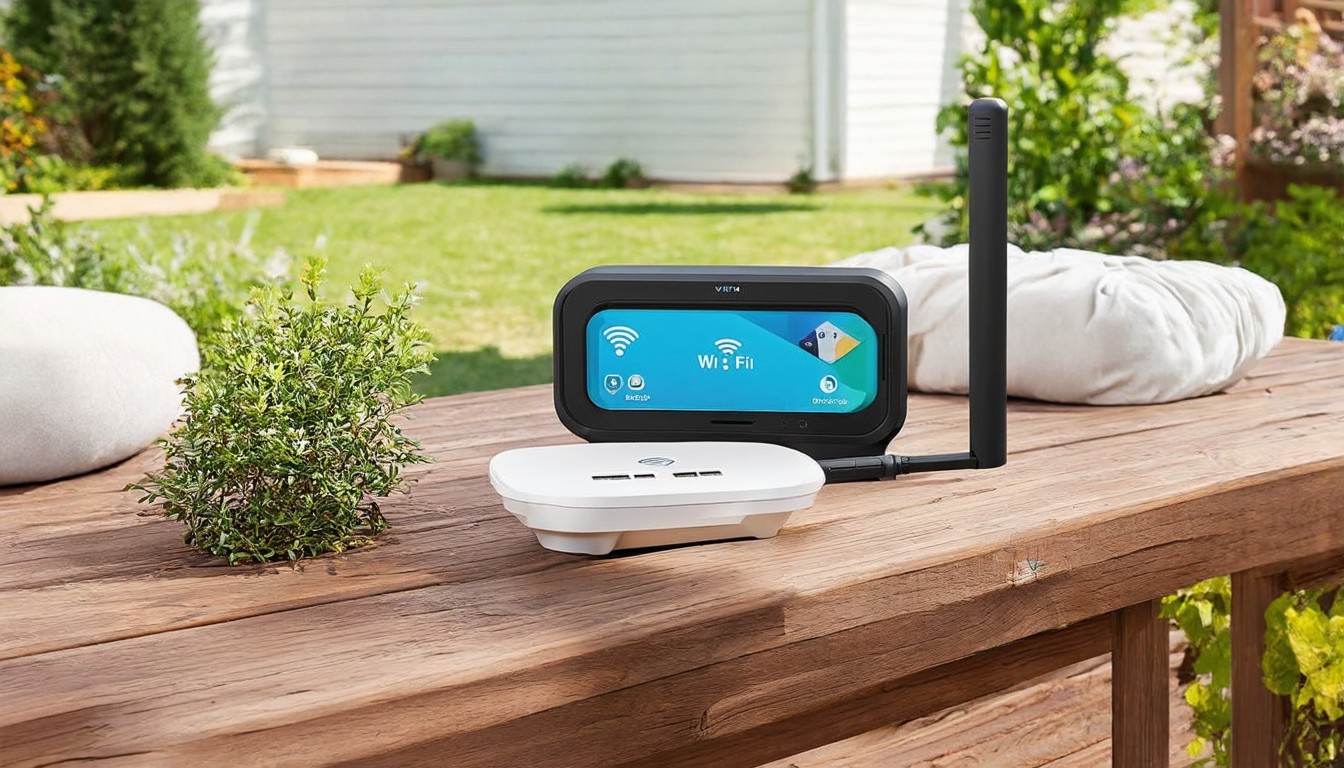
In recent years, the desire for seamless connectivity has extended beyond the confines of our homes, reaching into our backyards and outdoor spaces. Whether you're hosting a gathering, enjoying a quiet afternoon, or simply working from the comfort of your patio, reliable Wi-Fi in your outdoor area can significantly enhance your experience. Here, we explore several methods to extend your existing Wi-Fi network into your backyard, ensuring that you can stay connected no matter where you are.
The most straightforward approach to achieving reliable Wi-Fi outdoors is by using a Wi-Fi range extender. These devices are designed to boost the signal strength of your existing network, allowing it to reach farther into your backyard. Range extenders typically connect to your primary router via Ethernet or Wi-Fi and then broadcast the signal in a different channel, reducing interference and improving coverage. To choose the right extender, look for models that support the latest Wi-Fi standards, such as 802.11ac or 802.11ax, which offer faster speeds and better range.
Another effective solution is to deploy an outdoor access point. Unlike range extenders, access points are designed to be rugged and weather-resistant, making them ideal for outdoor use. These devices can be mounted on a wall or a pole, providing a stable connection in your backyard. Many modern access points support PoE (Power over Ethernet), which eliminates the need for separate power cables, simplifying installation. When setting up an outdoor access point, ensure it is placed in a location that offers optimal visibility to your main router and that it is protected from direct sunlight, extreme temperatures, and moisture.
For those who prefer a more permanent solution, consider installing a dedicated outdoor Wi-Fi network. This involves running an Ethernet cable from your main router to an outdoor access point, which then broadcasts the signal wirelessly. This method provides the most reliable and fastest connection, as it avoids the signal degradation that can occur with range extenders and wireless repeaters. However, it requires more effort and investment, as it involves laying cables and potentially hiring a professional installer.
A growing alternative to traditional Wi-Fi solutions is the use of mesh networking systems. These systems consist of multiple nodes that communicate with each other to create a seamless network coverage area. By placing one or more mesh nodes in your backyard, you can ensure that your Wi-Fi signal is consistently strong and uninterrupted, even in large outdoor spaces. Mesh networks are particularly useful for homes with complex layouts or obstacles that can weaken Wi-Fi signals.
Lastly, if you have the option to upgrade your existing network infrastructure, investing in a high-quality router with advanced Wi-Fi capabilities can significantly improve outdoor coverage. Look for routers that support beamforming, which directs the Wi-Fi signal in specific directions, and beamforming-capable outdoor access points that can receive and distribute the signal effectively. Additionally, ensuring that your router and access points are configured to use the same Wi-Fi channel and that they are placed in optimal locations can further enhance your backyard Wi-Fi experience.
In conclusion, extending your Wi-Fi network into your backyard is more achievable than ever, with a variety of solutions tailored to your specific needs and budget. Whether you opt for a Wi-Fi range extender, an outdoor access point, a dedicated network, a mesh system, or an upgraded router, the goal remains the same: to enjoy uninterrupted connectivity in your outdoor living spaces. By choosing the right method and ensuring proper setup, you can transform your backyard into a tech-enabled oasis where work, play, and relaxation can thrive seamlessly.









