
“How to be a 10x engineer” – interview with a standout dev
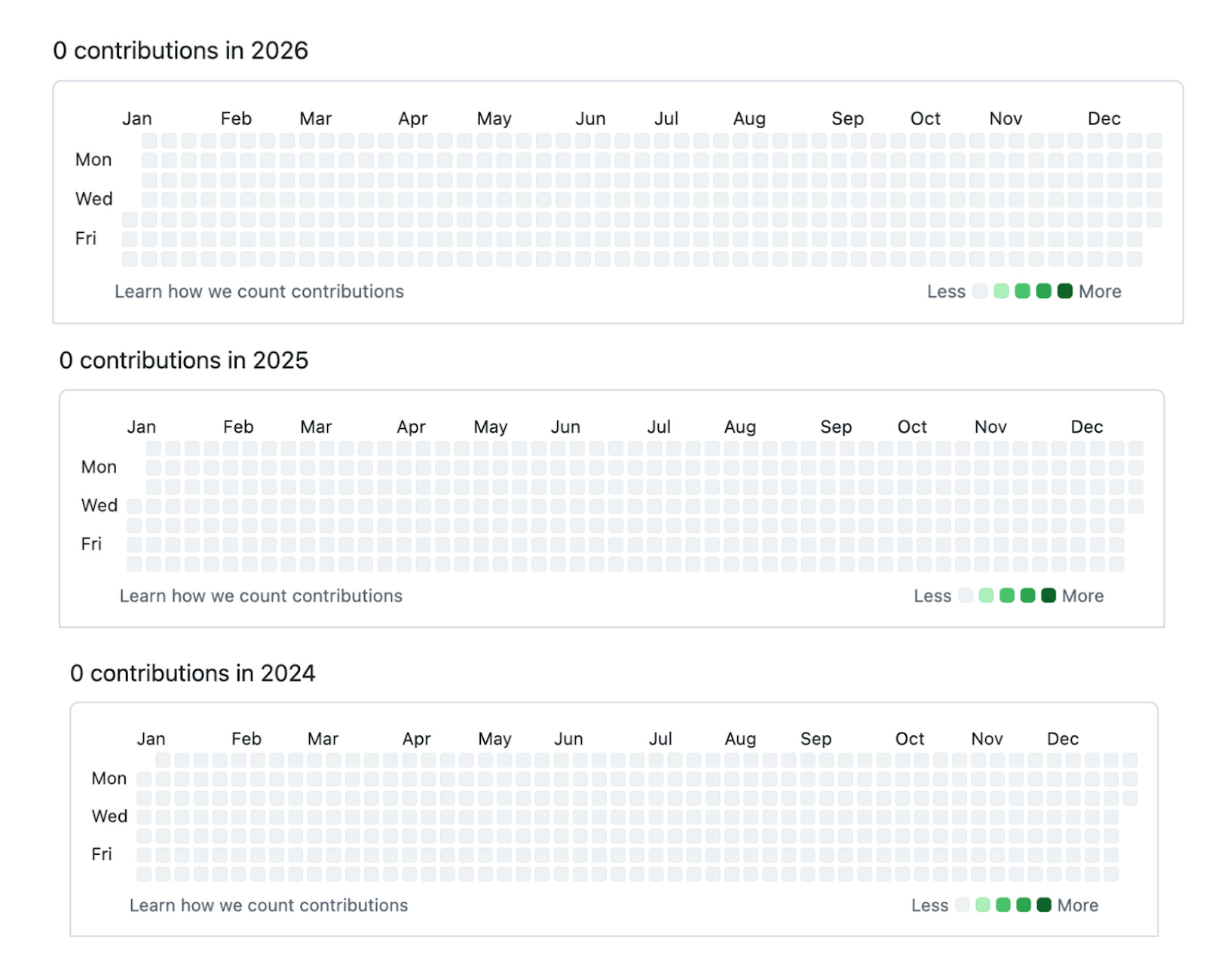
An interview with an engineer with no public GitHub contributions, setting clear boundaries – and yet not having needed to apply for positions when searching for a job, because referrals found them
In the world of technology, the term "10x engineer" is often thrown around to describe someone who significantly outperforms their peers. But what does it really mean to be such an engineer? How do they achieve their success without the usual trappings of a public GitHub repository or a highly active social media presence?
To answer these questions, we delve into the story of Sam, an engineer who has worked at Uber and is now in high demand from companies eager to hire him. Sam's journey is unique because he has managed to stand out without relying on traditional methods of showcasing his skills. Instead, he has built a reputation through his work and the impact he has had on the teams he has been a part of.
Sam's career began at Uber, where he quickly became known as one of the top engineers. His colleagues often mentioned him during performance calibrations, and in one year, he was even placed in the "top, top" bucket reserved for the 3% best engineers. His ability to deliver exceptional results was not lost on his managers, and when he left Uber, he continued to make a name for himself in the industry.
What sets Sam apart is his ability to set clear boundaries and prioritize his work. He has never felt the need to apply for jobs, as referrals from former colleagues have consistently found him. When he decided to explore new opportunities, he didn't need to post job applications or send out resumes. Instead, it was the other way around: companies reached out to him, desperate to hire him.
One of the most striking aspects of Sam's story is his lack of public presence. His LinkedIn profile is minimal, listing only the companies he has worked for without any details about the technologies he has used or the projects he has worked on. His GitHub repository has seen very little activity in the past five years, with only a dozen commits over the last ten years. This might seem like a recipe for anonymity, but in reality, it has not hindered Sam's career at all.
In fact, Sam's invisibility has been a testament to his skills. When a former colleague shared a message about him on LinkedIn, highlighting his exceptional abilities, the response was overwhelming. One of the most upvoted comments came from Olivier Frolovs, a cloud technologist, who requested an article on Sam so that others could learn from his approach.
Sam's story challenges the conventional wisdom about how to build a career in technology. In an industry where showcasing one's skills through public projects and social media is often seen as essential, Sam has proven that it is possible to succeed by focusing on delivering outstanding work and maintaining clear boundaries.
His journey also highlights the importance of referrals and the power of a strong reputation. By building a network of loyal colleagues who value his work, Sam has found himself in high demand without needing to actively seek out new opportunities. This is a lesson for many aspiring engineers: sometimes, the best way to stand out is to focus on doing exceptional work and allowing your peers to speak for you.
In conclusion, Sam's story is a reminder that the definition of a "10x engineer" goes beyond public profiles and GitHub repositories. It is about consistently delivering exceptional results, setting clear boundaries, and building a strong reputation through one's work. As the technology industry continues to evolve, it is clear that the traditional methods of showcasing skills may not always be the most effective. Sam's journey shows that the real measure of an engineer's worth lies in their ability to make a significant impact on the teams they work with and the companies they are a part of.









