
How the military is using AI in war
From intelligence to research and grant applications, artificial intelligence is playing a bigger role in government and military operations.
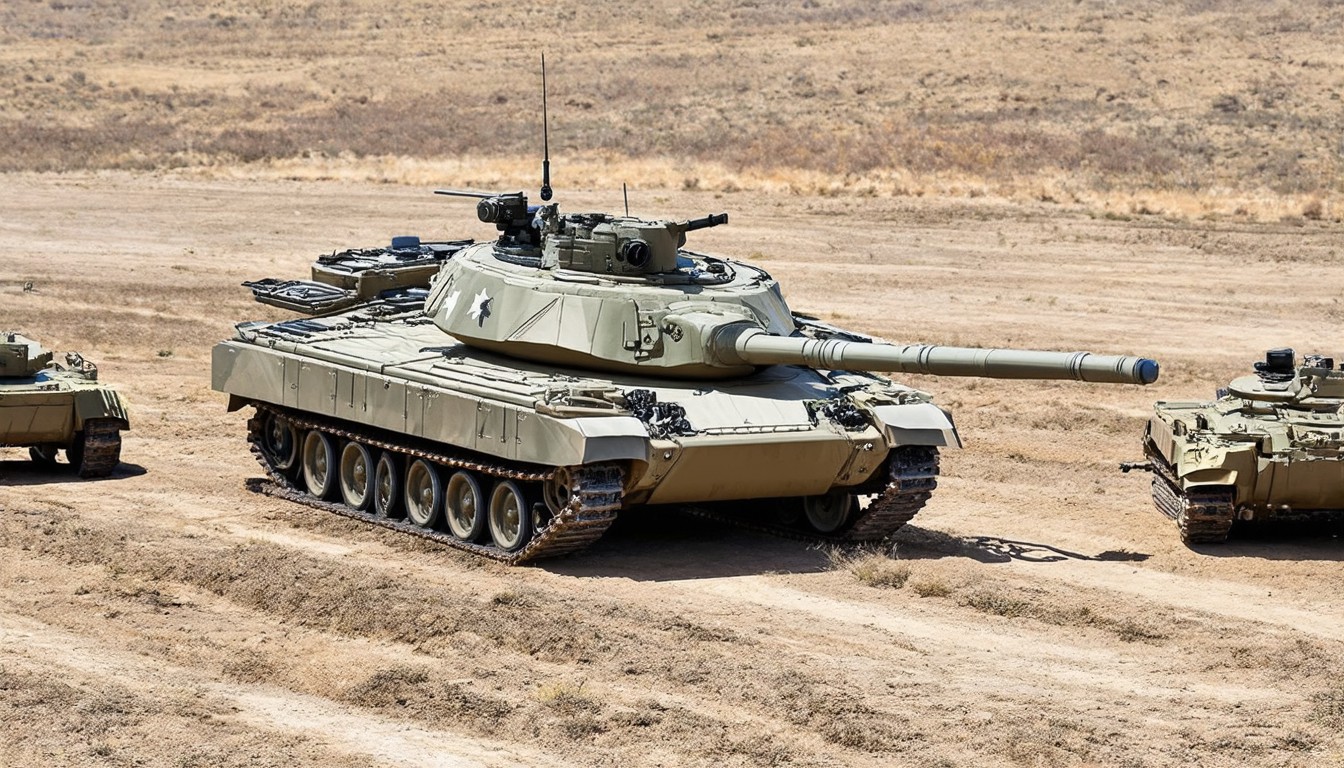
In recent years, the integration of artificial intelligence (AI) into military operations has become increasingly significant, transforming how armed forces approach intelligence gathering, strategic planning, and even the development of new technologies. As AI continues to evolve, its role in government and military operations is expanding, influencing everything from intelligence analysis to research and grant applications.
One of the primary areas where AI is making a substantial impact is in intelligence gathering and analysis. Military forces are leveraging AI to process vast amounts of data from various sources, including satellite imagery, social media, and intercepted communications. Advanced algorithms enable the rapid identification of patterns and anomalies that could indicate potential threats or strategic advantages. For instance, AI systems can analyze satellite data to detect military movements or infrastructure changes, providing real-time intelligence that can inform decision-making processes.
In addition to intelligence, AI is also being utilized in the development of new technologies and research. Military organizations are increasingly turning to AI-driven research to innovate in areas such as autonomous systems, cybersecurity, and advanced weaponry. By applying for grants and collaborating with academic institutions, the military is investing in cutting-edge research that can enhance its capabilities and stay ahead of adversaries. AI-driven research can lead to the development of more efficient logistics systems, improved medical technologies for battlefield treatment, and even advancements in drone warfare.
The military's adoption of AI is not limited to the battlefield. It is also being used to streamline administrative processes, such as managing supply chains and personnel management. AI-powered systems can analyze data to optimize resource allocation, predict maintenance needs for equipment, and even assist in the recruitment process by evaluating candidate profiles. This not only improves operational efficiency but also frees up human resources to focus on more complex tasks.
However, the use of AI in warfare also raises ethical and legal concerns. The potential for AI-driven systems to make decisions that could lead to unintended consequences, such as collateral damage or misidentification of targets, is a significant concern. There is also the issue of accountability, as it can be challenging to determine who is ultimately responsible for decisions made by AI algorithms. As a result, there is ongoing debate about the need for clear guidelines and regulations to govern the use of AI in military operations.
Despite these challenges, the military's integration of AI is likely to continue and expand. The rapid pace of technological advancement and the need to maintain a competitive edge in an increasingly complex global landscape drive the adoption of AI. As the military continues to invest in AI research and applications, it will shape the future of warfare and global security.
In conclusion, the integration of AI into military operations is a dynamic and evolving field. From enhancing intelligence capabilities to driving research and administrative efficiency, AI is becoming an indispensable tool for armed forces worldwide. As the technology advances, so too will the strategies and regulations surrounding its use, ensuring that it is employed responsibly and effectively. The military's embrace of AI underscores the importance of staying ahead in an ever-changing technological landscape, where the ability to leverage cutting-edge technologies can be a decisive factor in achieving strategic objectives.









