
How the military is using AI in war
From intelligence to research and grant applications, artificial intelligence is playing a bigger role in government and military operations.
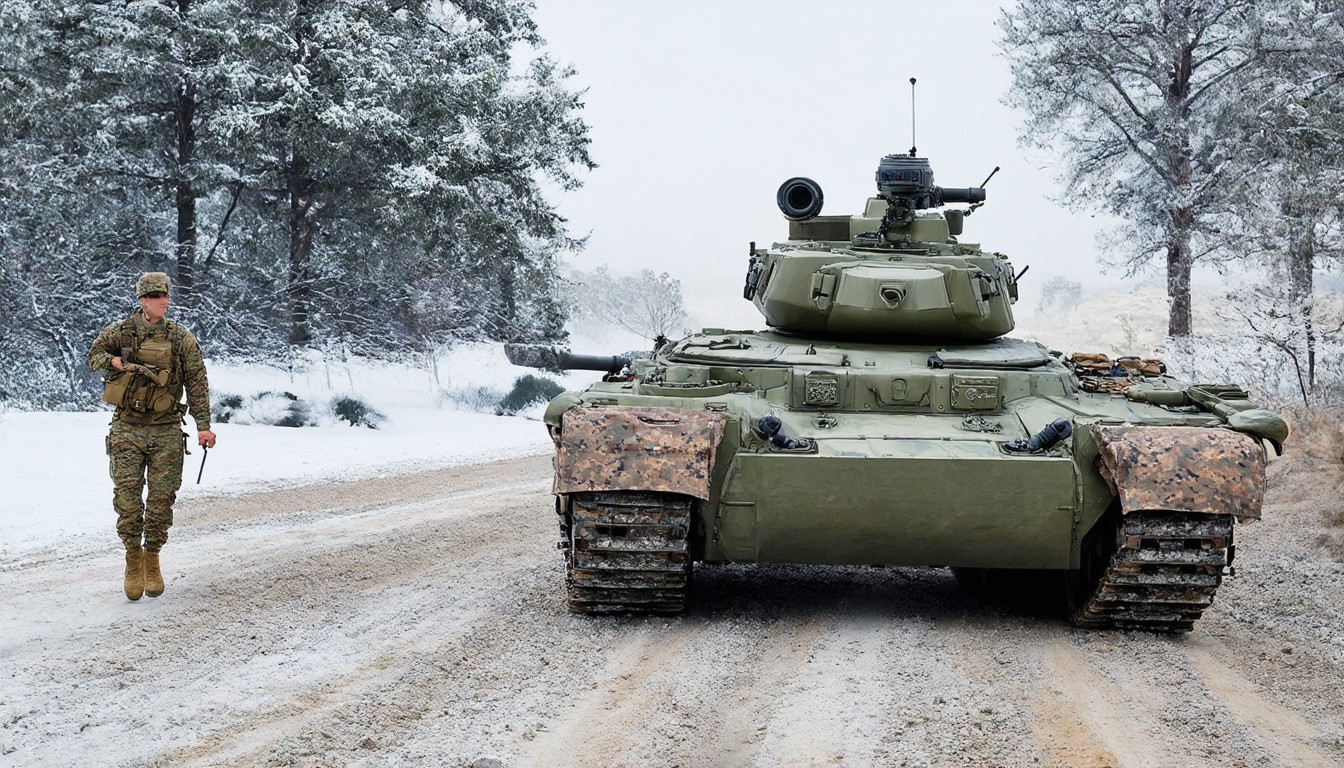
In recent years, the integration of artificial intelligence (AI) into military operations has become increasingly significant, transforming how armed forces approach intelligence gathering, strategic planning, and even the development of new technologies. As AI continues to evolve, its role in government and military activities is expanding, influencing everything from intelligence analysis to research and grant applications.
One of the primary areas where AI is making a substantial impact is in intelligence gathering and analysis. Military forces are leveraging AI to process vast amounts of data from various sources, including satellite imagery, social media, and intercepted communications. Advanced algorithms can sift through this data to identify patterns, detect anomalies, and provide actionable insights that would be challenging for human analysts to discern. For instance, AI systems can analyze satellite imagery to detect changes in military infrastructure or troop movements, enabling military planners to anticipate potential threats and adjust their strategies accordingly.
In addition to intelligence, AI is also being utilized in the development of new military technologies. Researchers and engineers are employing AI to design and optimize weapons systems, such as drones and autonomous vehicles. These AI-driven systems can perform complex tasks with precision and speed, reducing the risk of human error and enhancing operational effectiveness. For example, AI-powered drones can be programmed to carry out reconnaissance missions, deliver supplies, or engage in combat, all while adapting to changing conditions in real time.
Moreover, AI is playing a crucial role in the research and grant application process for military projects. By automating administrative tasks and analyzing data to identify funding opportunities, AI is helping to streamline the application process and allocate resources more efficiently. Military research institutions are also using AI to accelerate the development of new technologies, such as advanced materials and biotechnologies, which can be applied in both civilian and military contexts.
The use of AI in military operations is not without controversy, however. Critics argue that the increasing reliance on AI systems raises ethical concerns, particularly regarding accountability and transparency. For instance, if an AI-driven drone makes a decision that results in civilian casualties, who is ultimately responsible? This question is particularly relevant as AI systems become more autonomous and less reliant on human oversight.
Despite these challenges, the military's adoption of AI is likely to continue, driven by the need for efficiency, effectiveness, and adaptability in an increasingly complex global landscape. As AI technology advances, it will be crucial for military leaders and policymakers to address the ethical and legal implications of its use, ensuring that it is employed responsibly and in alignment with international norms and standards.
In conclusion, the integration of AI into military operations is a dynamic and evolving field, with significant implications for intelligence, technology development, and research. While challenges remain, the potential benefits of AI in enhancing military capabilities are substantial, and its role in shaping future operations is likely to grow. As the military continues to embrace AI, it will be essential to balance technological advancement with careful consideration of the ethical and societal impacts of this powerful tool.









