
How the Iraq war bent America’s army out of shape
As it exhausted itself battling insurgents, China re-armed
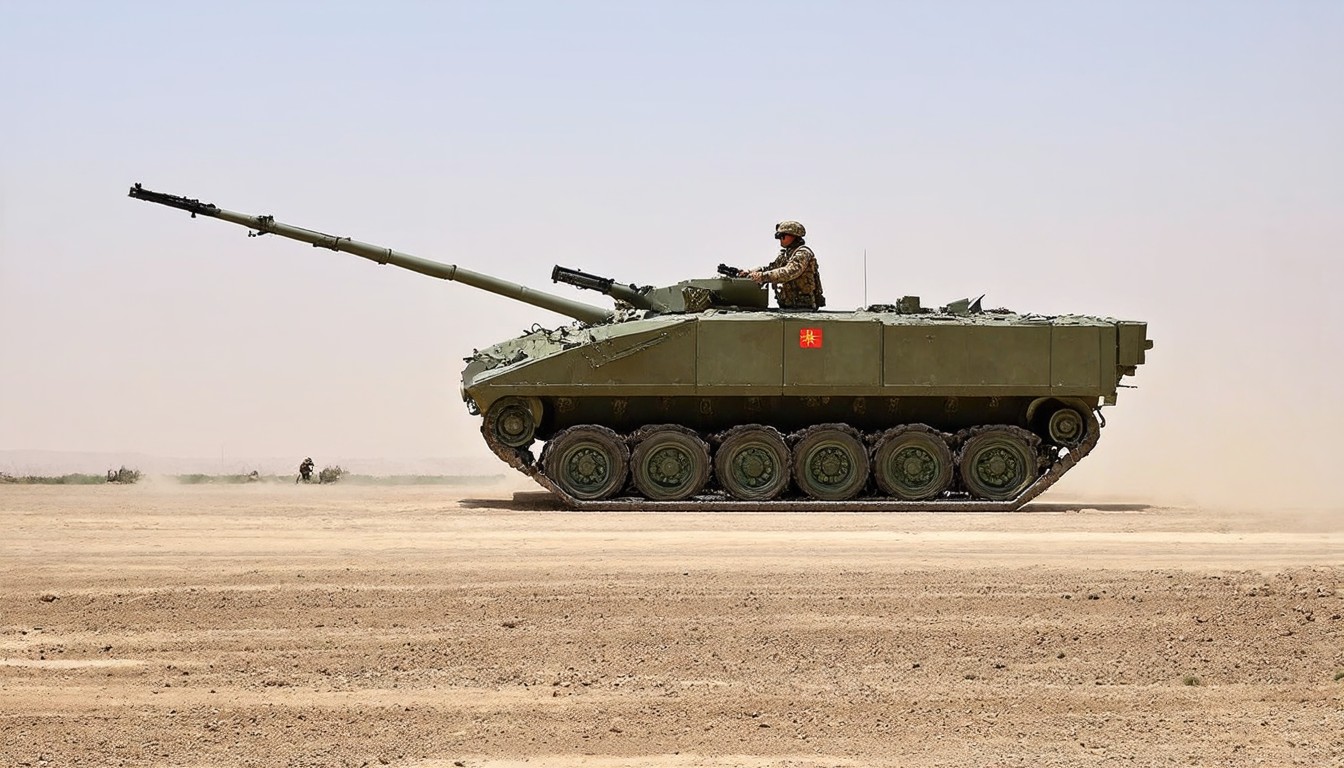
As the Iraq War dragged on, the United States found itself entangled in a protracted conflict that tested the limits of its military capabilities. The prolonged struggle against insurgent groups and the complexities of rebuilding a war-torn nation strained the American military, leading to significant changes in its structure and operations. Meanwhile, China, which had been observing the situation closely, saw an opportunity to rebuild its own military arsenal and enhance its strategic position.
The Iraq War, which began in 2003, was initially framed as a quick victory to dismantle Iraq's weapons of mass destruction and topple Saddam Hussein's regime. However, the reality on the ground proved far more challenging. Insurgent groups, including foreign fighters and former Ba'ath Party loyalists, launched a guerrilla war that targeted coalition forces and local civilians. This insurgency forced the United States to commit more troops and resources, leading to a costly and drawn-out conflict that lasted well into the 2000s.
The strain on the American military was significant. The war required a massive troop deployment, with the peak number of personnel reaching over 140,000 in 2007. This massive commitment stretched the military's logistical and operational capabilities, leading to challenges in maintaining readiness and deploying forces effectively. The war also exposed vulnerabilities in the military's structure, such as a lack of adequate intelligence gathering and a reliance on overextended supply lines.
Moreover, the Iraq War highlighted the challenges of counterinsurgency warfare. Traditional military tactics, which had been successful in past conflicts, proved less effective in the complex urban and rural environments of Iraq. This led to a reevaluation of military doctrine and the adoption of new strategies, such as the "surge" in 2007, which aimed to increase troop numbers and focus on local population engagement.
The war also had a profound impact on the American public's perception of the military. The prolonged conflict and the high casualty rates led to widespread fatigue and skepticism about the war's objectives. This shift in public opinion influenced political decisions, leading to a gradual withdrawal of troops and a focus on other regional threats, such as terrorism and the rise of Iran.
As the United States grappled with the challenges of the Iraq War, China took note of the situation and began to rebuild its own military capabilities. China's decision to rearm was driven by a combination of factors, including the desire to assert its influence in the region and to counterbalance the United States' global presence. The Chinese military modernized its arsenal, investing in advanced weapons systems and enhancing its strategic capabilities.
China's rearmament was not limited to military hardware. The country also focused on improving its strategic posture, particularly in the South China Sea and the Indian Ocean. This included deploying advanced submarines, missile systems, and anti-ship weapons, as well as expanding its naval and air capabilities.
The rearmament of China was not without consequences for the United States. As the Chinese military grew more assertive, it posed new challenges to U.S. strategic interests in the Asia-Pacific region. The United States responded by strengthening its alliances, such as the Quadrilateral Security Dialogue, and increasing its own military presence in the region.
In conclusion, the Iraq War had a profound impact on the United States' military, exposing its vulnerabilities and leading to significant changes in its structure and operations. Meanwhile, China's decision to rearm was a response to the shifting dynamics of global power, driven by a desire to assert its influence and counterbalance the United States. The interplay between these two developments highlights the complexities of modern military strategy and the evolving global security landscape.








