
How Seville is standing up to Madrid and Barcelona as a host city for major events
The Andalusian capital is no longer a transit destination. From the Latin Grammy Awards to the Ibai Evening, plus the largest technology congress in southern Europe, Seville is consolidating its own model for attracting events that move millions and global audiences.
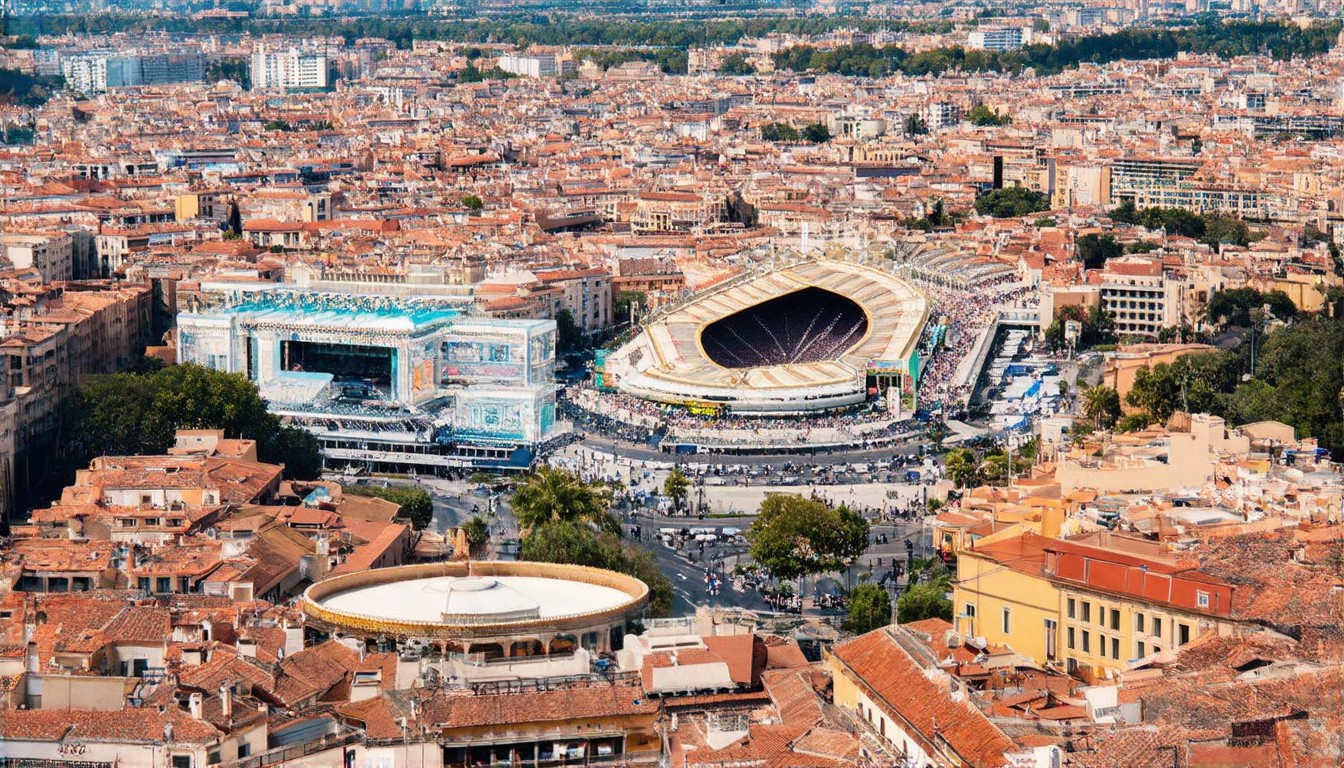
In recent years, Seville, the vibrant capital of Andalusia, has been making a bold statement on the global stage. Once considered merely a transit destination, the city is now firmly establishing itself as a premier host for major events, challenging the dominance of Madrid and Barcelona. This transformation is not just a fluke but a result of a strategic approach that has attracted high-profile gatherings, from the Latin Grammy Awards to the Ibai Evening, and even the largest technology congress in southern Europe.
The Latin Grammy Awards, which celebrate the rich diversity of Latin music, chose Seville as its venue in 2023. This decision was not merely a matter of logistics; it was a testament to the city's ability to blend tradition with modernity, creating an unforgettable experience for artists and audiences alike. Seville's historic Plaza de España, with its stunning architecture, provided the perfect backdrop for the event, while the city's vibrant nightlife and cultural offerings ensured that attendees were captivated from start to finish.
The Ibai Evening, a major esports and gaming event, also made Seville its home in 2022. This event, which drew thousands of fans and participants, showcased the city's ability to adapt to diverse audiences and cater to their needs. The event's success highlighted Seville's growing reputation as a destination for innovative and cutting-edge gatherings, positioning it as a dynamic hub for both traditional and modern events.
Perhaps the most significant indicator of Seville's rise as a host city is its hosting of the largest technology congress in southern Europe. This prestigious event, which attracts leading industry figures and startups, underscores the city's commitment to fostering innovation and connectivity. By investing in state-of-the-art venues and infrastructure, Seville has proven itself capable of hosting complex and high-stakes events, further solidifying its place on the global event map.
This transformation is not without its challenges. Seville's smaller size compared to Madrid and Barcelona means it must work harder to attract large-scale events. However, the city has embraced a unique strategy that focuses on creating memorable experiences and leveraging its cultural and historical assets. By doing so, Seville has developed a distinct identity that resonates with event organizers and attendees alike.
The city's success also benefits its local economy. Major events generate significant revenue through ticket sales, hospitality, and merchandise, creating jobs and boosting local businesses. Seville's ability to attract these events has not only enhanced its global profile but has also contributed to its economic growth and development.
Looking ahead, Seville's trajectory as a host city for major events is promising. As the city continues to invest in its infrastructure and cultural offerings, it is well-positioned to capture more global events. The Latin Grammy Awards, Ibai Evening, and technology congress are just the beginning. Seville's rise is a testament to its resilience, creativity, and determination to carve out its own niche in the world of event hosting.
In conclusion, Seville's transformation from a transit destination to a leading host city for major events is a story of strategic vision and perseverance. By leveraging its unique cultural and historical assets, the city has successfully attracted high-profile gatherings that move millions and global audiences. As Seville continues to grow and evolve, it serves as an inspiring example of how a city can redefine its role on the global stage and emerge as a force to be reckoned with.









