
How one pandemic made another one worse
Covid-19 set back the battle against tuberculosis. But it also points the way forward
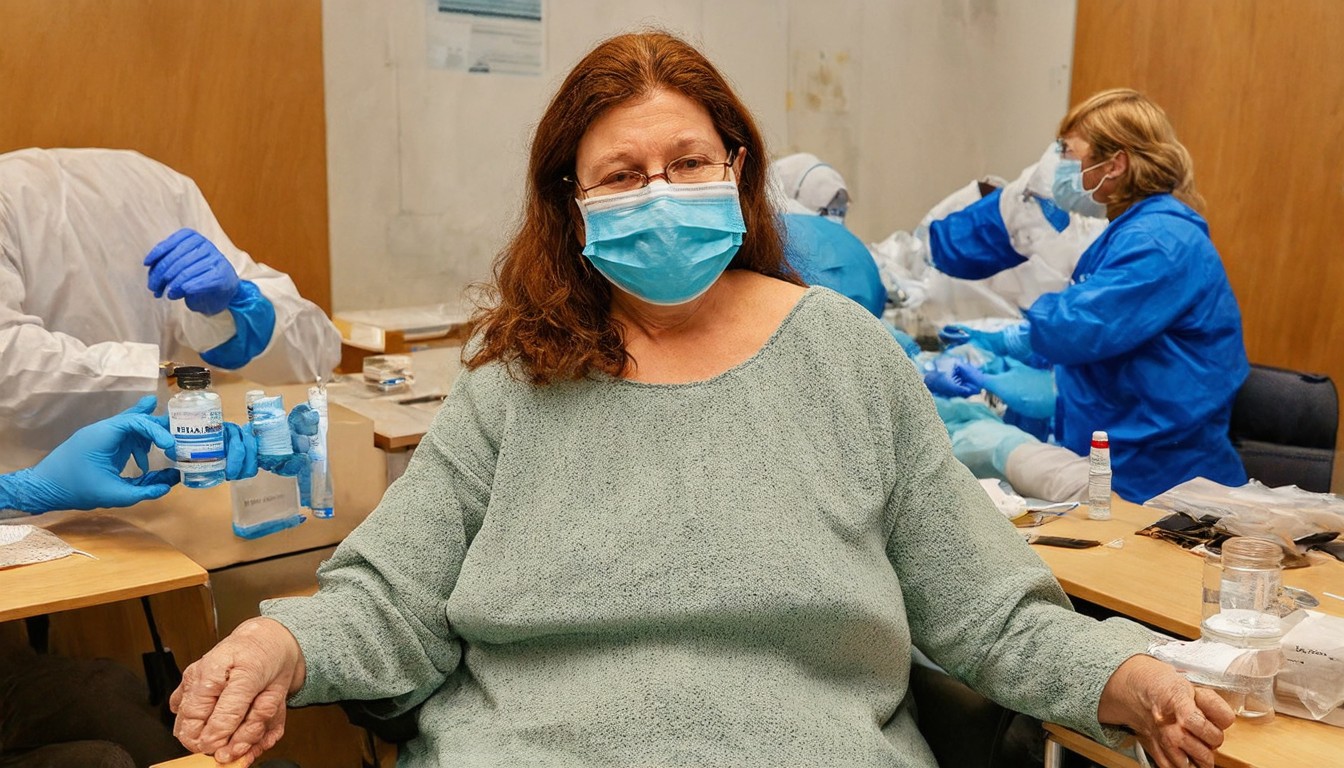
The COVID-19 pandemic has had a profound impact on global health, not only by causing millions of deaths and severe illness but also by disrupting efforts to combat other diseases. One of the most significant setbacks has been in the fight against tuberculosis (TB), a disease that has long been a major public health challenge. While the pandemic has hindered TB treatment and surveillance, it has also highlighted the need for innovative solutions and underscored the importance of a coordinated global response.
Tuberculosis is caused by the bacterium Mycobacterium tuberculosis and primarily affects the lungs. It is a highly contagious disease, with the World Health Organization (WHO) estimating that 10 million new cases occurred in 2020, and 1.5 million people died from TB-related causes. The pandemic has exacerbated the challenges faced by TB patients and healthcare systems. With healthcare systems overwhelmed by COVID-19 cases, many people with TB have been unable to access timely diagnosis and treatment, leading to increased transmission and worsening outcomes.
The disruption in healthcare services has been particularly devastating for those living in low- and middle-income countries, where healthcare infrastructure is already strained. In many regions, TB treatment centers have been repurposed to treat COVID-19 patients, leaving TB patients without access to essential care. Additionally, the pandemic has led to reduced testing and reporting of TB cases, as healthcare workers prioritize COVID-19 patients and resources. This has resulted in undercounting TB cases and delayed treatment, further complicating efforts to control the spread of the disease.
The impact of COVID-19 on TB patients is not limited to healthcare access. Social distancing measures and lockdowns have made it more difficult for individuals to seek medical care, and the stress of the pandemic has contributed to poor mental health, which can weaken immune systems and increase susceptibility to TB. Furthermore, the economic fallout from the pandemic has led to increased poverty and unemployment, further exacerbating the conditions that contribute to TB transmission.
Despite these challenges, the pandemic has also highlighted the need for innovative approaches to combat TB. The disruption caused by COVID-19 has accelerated the development and deployment of new diagnostic tools and treatment regimens. For instance, direct smear microscopy, a rapid and cost-effective method for detecting TB, has been scaled up in several countries to address the surge in cases. Additionally, the use of telemedicine and digital platforms has expanded access to care, allowing healthcare workers to monitor and support TB patients remotely.
Moreover, the pandemic has underscored the importance of a coordinated global response to TB. The WHO has called for increased funding and support to strengthen healthcare systems and improve TB surveillance. Collaborative efforts between governments, non-governmental organizations, and international bodies are essential to ensure that TB remains a global health priority.
In conclusion, the COVID-19 pandemic has set back the battle against tuberculosis, but it has also provided valuable lessons and opportunities for innovation. The disruption caused by the pandemic has highlighted the need for more robust healthcare systems, the development of new diagnostic tools, and the importance of a unified global effort to combat TB. As the world continues to recover from the pandemic, it is crucial to prioritize TB treatment and prevention, ensuring that the progress made in recent years is not lost and that the disease remains under control.









