How NASA Is Keeping the Astronauts Safe During the Artemis II Mission
Years of testing, emergency systems and sensors have gone into protecting the astronauts set to head to the moon.
NASA has been meticulously preparing for the Artemis II mission, which aims to send astronauts back to the moon for the first time since the Apollo era. A key focus of these preparations is ensuring the safety of the astronauts during their journey. Over the years, NASA has invested significant resources into developing robust systems and technologies to protect the crew from potential hazards. This comprehensive approach includes rigorous testing, advanced emergency protocols, and sophisticated sensors that constantly monitor the spacecraft's conditions.
One of the critical components of this safety strategy is the development of emergency systems. NASA engineers have designed multiple layers of redundancy to ensure that even if one system fails, there are backup mechanisms in place to maintain the crew's safety. For instance, the spacecraft is equipped with redundant life support systems, which can independently provide oxygen, regulate temperature, and manage carbon dioxide levels. These systems are designed to operate independently or in tandem, depending on the situation, to guarantee that the astronauts remain protected throughout the mission.
In addition to these emergency systems, NASA has also prioritized the use of advanced sensors to monitor the spacecraft's environment and the health of the crew. These sensors are strategically placed throughout the spacecraft to detect any anomalies or potential threats. They can identify issues such as temperature fluctuations, pressure changes, or radiation levels, allowing the crew to take appropriate action before a problem escalates. Furthermore, biometric sensors are used to continuously monitor the astronauts' vital signs, ensuring that any health concerns are detected early and addressed promptly.
The Artemis II mission also involves extensive testing to identify and mitigate potential risks. NASA has conducted numerous simulations and experiments to understand how the spacecraft and its systems would perform under various scenarios. These tests have helped engineers refine the emergency protocols and improve the design of the spacecraft to better withstand unexpected events. For example, NASA has tested the spacecraft's ability to withstand micro-meteorite impacts and the effects of prolonged exposure to extreme temperatures in space.
Moreover, NASA has invested in developing contingency plans to address potential emergencies during the mission. These plans include procedures for returning the spacecraft to Earth prematurely, if necessary, or for conducting repairs in space. The crew is trained extensively in these contingency plans, ensuring they are prepared to respond effectively to a wide range of scenarios. This level of preparedness is crucial, as the astronauts will be far from Earth's immediate reach, with communication delays and limited options for assistance.
The safety of the astronauts is also supported by advancements in spacecraft design. The spacecraft used for the Artemis II mission is built to withstand the harsh conditions of space travel, including the intense radiation and extreme temperatures. It is equipped with shielding to protect the crew from harmful radiation and is designed to maintain a stable internal environment, regardless of the external conditions.
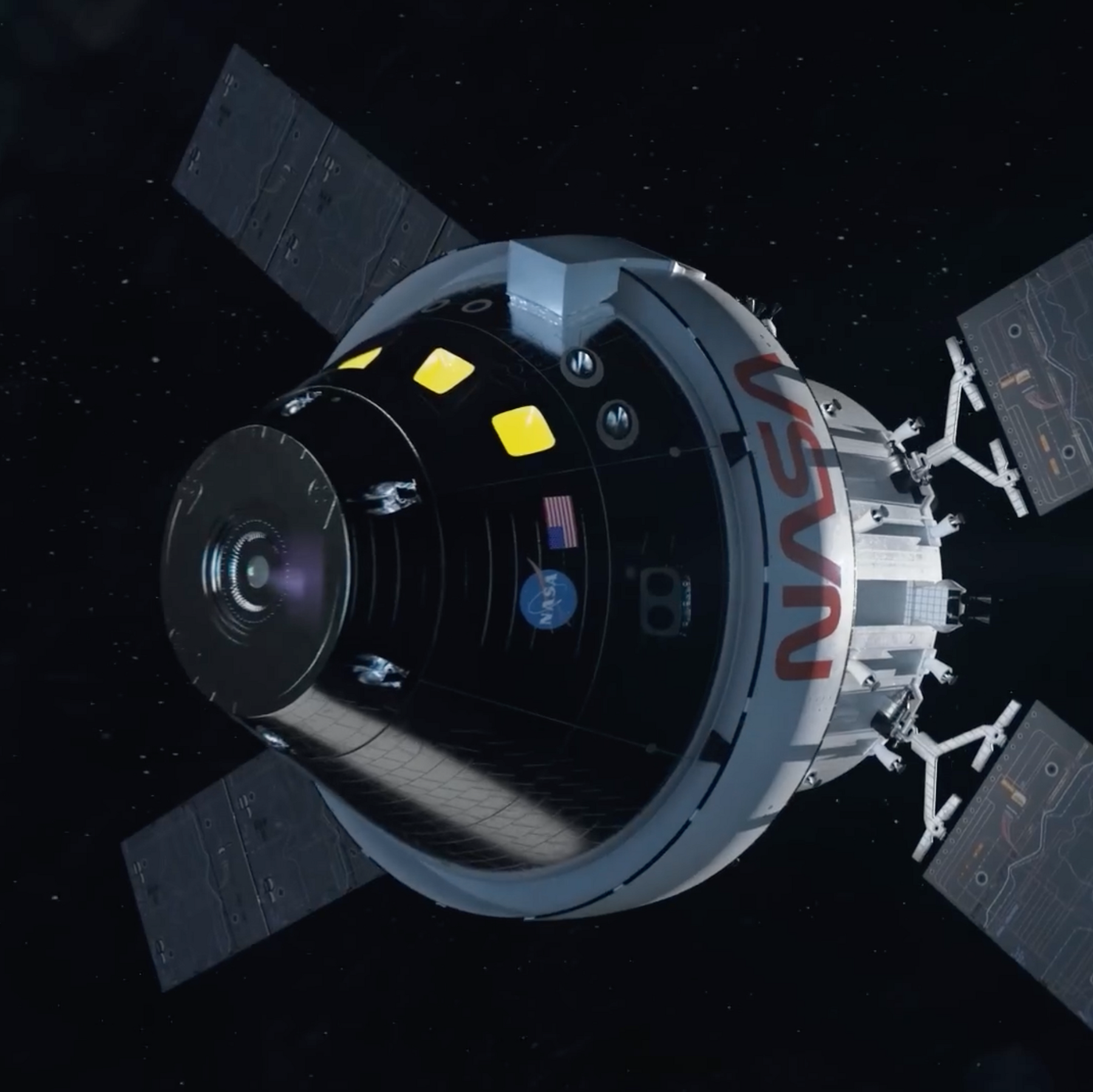
NASA's commitment to safety is evident in its collaboration with international partners and the use of cutting-edge technologies. The Orion spacecraft, which will carry the astronauts, has undergone rigorous testing and is considered one of the safest spacecraft ever built. Its design incorporates features such as an ablative heat shield for re-entry and a robust structure to withstand the forces of launch and landing.
In conclusion, NASA's approach to ensuring the safety of astronauts during the Artemis II mission is a combination of advanced engineering, thorough testing, and meticulous planning. By investing in emergency systems, sensors, and contingency plans, NASA is well-prepared to protect its crew from the challenges of space travel. As the mission approaches, the agency's focus on safety remains a cornerstone of its efforts to explore the moon and inspire future generations of space explorers.