
How much RAM does Linux really need in 2026? My sweet spot after decades of use
Want the best performance from Linux? Here's the ultimate sweet spot, based on my years of testing.
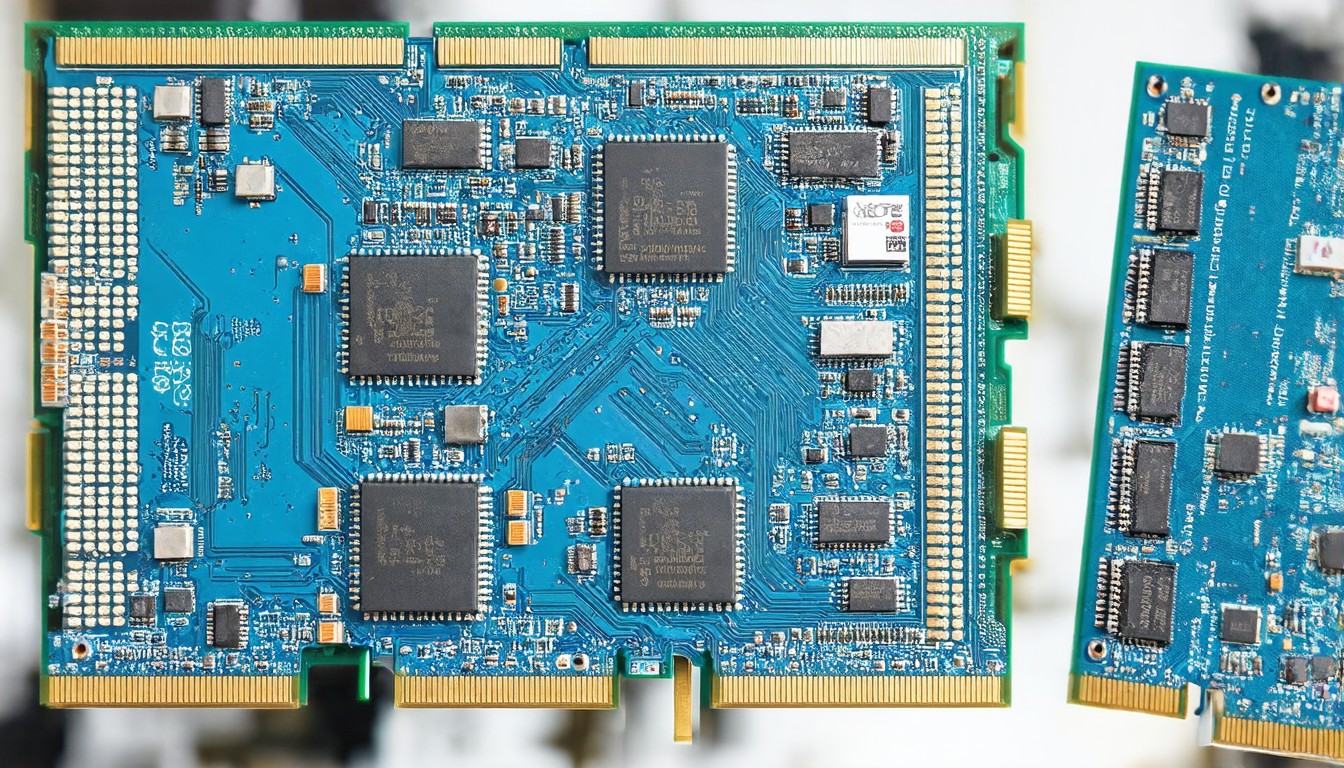
In the ever-evolving landscape of computing, Linux has remained a favorite among users and developers for its flexibility, security, and performance. As hardware continues to advance, one question that persists is: How much RAM does Linux truly need in 2026? For those seeking the optimal balance between performance and cost, this article explores the "sweet spot" for RAM based on years of testing and experience.
For decades, Linux has been known for its ability to run efficiently on systems with limited resources. This is largely due to its lightweight design and efficient memory management. However, as modern applications and workloads have grown more demanding, the question of optimal RAM configuration becomes increasingly relevant.
The key to determining the ideal amount of RAM for a Linux system lies in understanding its specific usage. If you're using Linux primarily for web browsing, email, and occasional video streaming, a system with 4GB to 8GB of RAM might suffice. These configurations are more than capable of handling everyday tasks without significant performance hiccups.
For more intensive workloads, such as development environments, virtualization, or multimedia editing, the situation changes. In such cases, having 16GB of RAM can make a noticeable difference. This amount provides ample headroom for running multiple applications simultaneously, compiling code, or managing virtual machines.
However, the sweet spot for many users and developers might actually be higher. With the rise of data-intensive applications and the increasing demand for multitasking, 32GB of RAM emerges as a more comfortable threshold. This configuration allows for seamless operation even when running resource-heavy applications, such as virtual desktops, container orchestration tools, or complex IDEs.
Beyond 32GB, the benefits of additional RAM become more nuanced. While systems with 64GB or more can handle extremely demanding workloads, such as high-end gaming, AI training, or large-scale data processing, the marginal gains in performance may not justify the increased cost for most users.
It's also important to consider the specific Linux distribution and desktop environment you're using. Lightweight distributions like Lubuntu or Xubuntu can perform well with less RAM, while more resource-intensive environments like GNOME or KDE may require more memory to function smoothly.
In conclusion, the optimal amount of RAM for a Linux system in 2026 depends on your specific needs. For most users, a configuration between 8GB and 32GB should provide a comfortable balance of performance and cost-effectiveness. As hardware continues to advance, the sweet spot may shift, but the principle remains the same: understanding your workload and choosing RAM wisely ensures that your Linux system runs efficiently and smoothly.








