
How Meaning Makes Suffering
Humans have inherited many ancient values mainly encoded in DNA.
Humans have inherited a set of ancient values deeply rooted in our DNA, primarily focused on avoiding negative experiences such as death, pain, hunger, cold, injury, boredom, confusion, loneliness, and more. These negative aversions serve as a foundation for our survival instincts. However, our main positive values are social in nature, revolving around desires for allies, respect, sexual connections, and offspring. Despite this, societies often shy away from explicitly acknowledging the centrality of social values, instead offering a range of "sacred" positive values for individuals to aspire to.
Each culture imbues its members with distinct high positive values, such as freedom, purity, honor, justice, equality, art, exploration, and inquiry. These values often serve to help achieve our underlying social goals, yet we insist on viewing them as ends in themselves rather than means to an end. This creates a complex system where multiple values coexist, and individuals must navigate the intricacies of their interplay.
In situations where two sacred values appear to conflict, humans must determine which one holds greater importance. While there is an unspoken norm that sacred values should not clash, reality often forces us to confront such conflicts. To resolve these dilemmas, we employ a heuristic that prioritizes values based on the sacrifices made to attain them. This concept was articulated by George Simmel in his 1900 work, The Philosophy of Money, where he argued that humans judge their highest values to be those for which they or others like them have recently endured the most suffering.
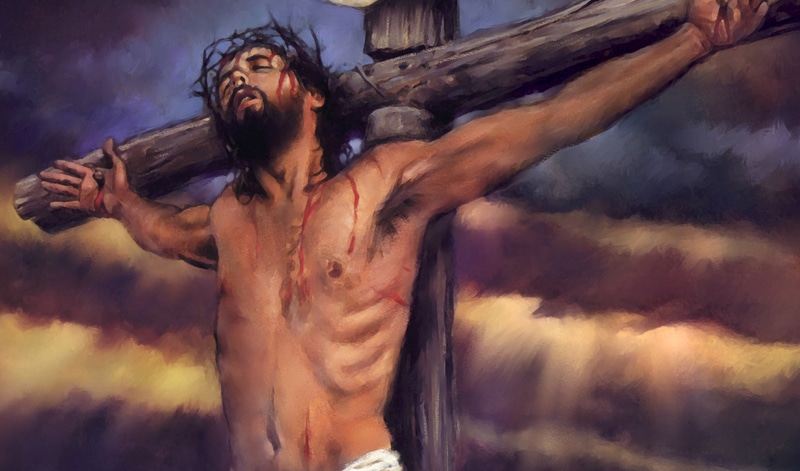
This heuristic is evident in various domains of human life. For instance, religions often emphasize the value of their beliefs through the sacrifices of martyrs, monks, and soldiers in the name of their faith. The Christian religion highlights the value of God's love through the sacrifice of his son, Jesus Christ. Similarly, nations often view their citizens' sacrifices in wars as proof of the greatness of their nation. Professionals may perceive the value of their profession through the sacrifices of potential opportunities, years of dedicated practice, and the countless hours devoted to their craft.
Activists and other groups also employ this principle by emphasizing the sacrifices made in the pursuit of their causes. By framing their values as those for which significant suffering has been endured, they reinforce their importance and legitimacy. This approach not only helps individuals and groups justify their priorities but also creates a sense of shared purpose and identity.
In essence, the heuristic of measuring value through suffering provides a framework for humans to navigate the complex landscape of competing values. It allows us to reconcile conflicts, prioritize our goals, and maintain a sense of coherence in our lives. While this method may not always lead to rational or objective conclusions, it serves as a powerful tool for creating meaning and justifying our actions in the face of adversity.
Ultimately, the interplay between negative aversions and positive values, mediated by the heuristic of sacrifice, shapes the way humans perceive and prioritize their most cherished ideals. This dynamic is a testament to the intricate balance between our biological inheritance and the cultural constructs that guide our lives, ultimately shaping our understanding of what truly matters.









