
Home TechnologyHow Instagram’s ‘PG-13’ Branding for Teens Unravel...
Technology⭐ Featured

How Instagram’s ‘PG-13’ Branding for Teens Unraveled

The social media giant, under legal pressure from the Motion Picture Association, has retreated from its use of the movie rating in its marketing.
7 April 2026 at 07:49 am
1 views
How Instagram’s ‘PG-13’ Branding for Teens Unraveled

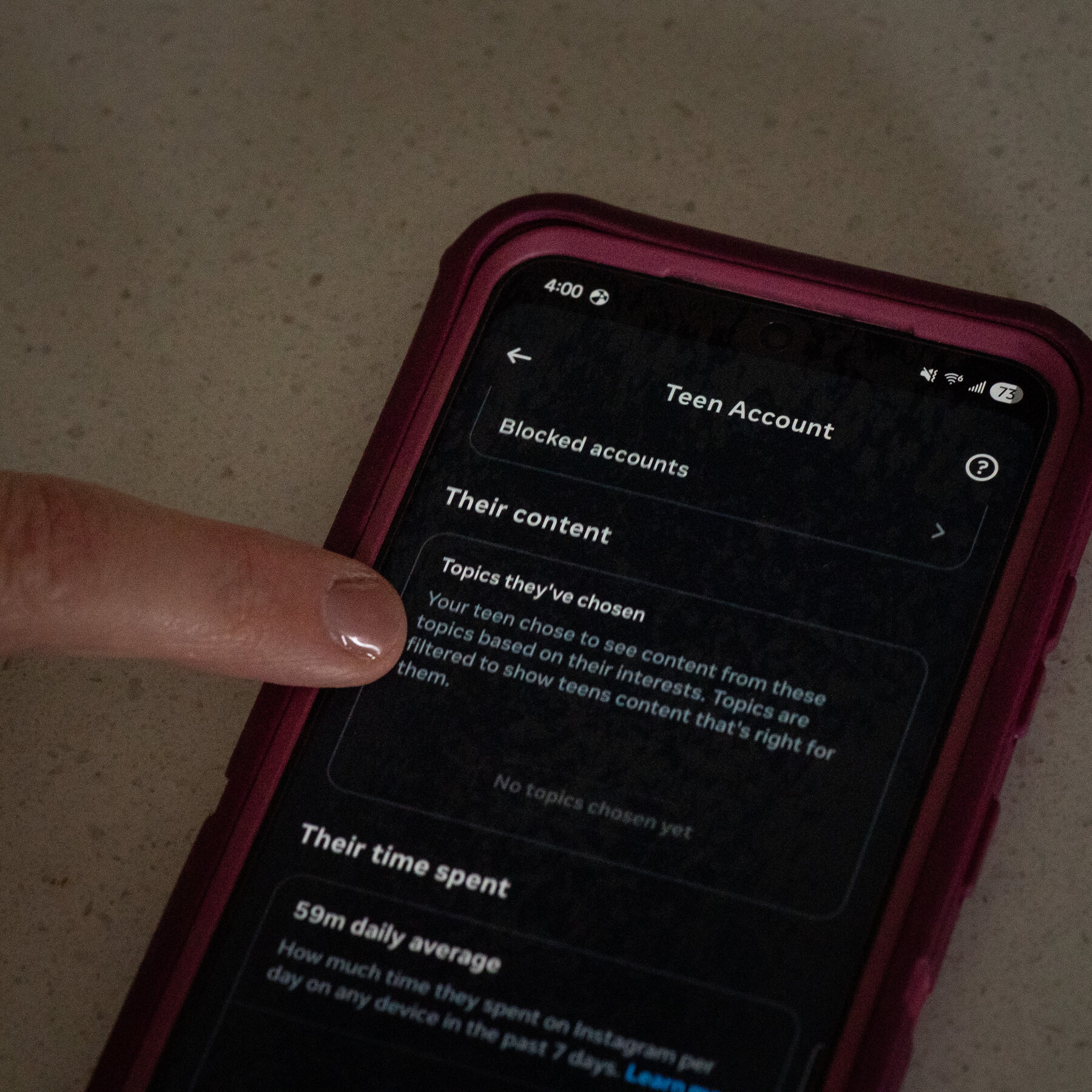
In 2024, Instagram, the social media platform owned by Meta, introduced Teen Accounts as part of its strategy to enhance privacy and address concerns about inappropriate content for teenage users. This move was a direct response to growing public and regulatory scrutiny, as well as pressure from the Motion Picture Association (MPA). However, the platform's decision to brand its teen-focused features with the "PG-13" label, a rating typically associated with movies, soon became a point of contention.

Initially, Instagram's use of the "PG-13" branding was intended to signal that the platform's teen-oriented features were suitable for younger audiences. The rating, which is commonly used in the film industry to indicate content appropriate for ages 13 and up, was seen as a way to reassure parents and guardians that their teenagers were using a moderated and controlled environment. This approach was part of a broader effort by the company to position Instagram as a more family-friendly platform, particularly in response to concerns about the prevalence of explicit content and the potential negative impacts on adolescent users.

Despite these intentions, the MPA's involvement in the matter soon led to legal challenges. The MPA, which oversees the MPAA film rating system, claimed that Instagram's unauthorized use of the "PG-13" label was a violation of trademark rights. The organization argued that Instagram's marketing efforts misled consumers by implying an endorsement or association that did not exist. This legal pressure forced Instagram to reconsider its branding strategy and ultimately led to the platform's decision to phase out the "PG-13" labeling in its marketing materials.

The decision to abandon the "PG-13" branding was not taken lightly by Instagram. The company had invested significant resources in promoting the teen-focused features, positioning them as a safer and more controlled space for younger users. However, the legal threats and potential reputational damage from a protracted dispute with the MPA made it clear that the platform needed to find an alternative approach.

In response, Instagram began exploring other ways to communicate the suitability of its teen-oriented features. The company shifted its focus to emphasizing privacy controls, content moderation, and parental oversight tools. By highlighting these features, Instagram aimed to reassure users and regulators that it was committed to creating a positive and safe environment for teenagers.

The withdrawal of the "PG-13" labeling also prompted a broader discussion about the appropriateness of using movie ratings to describe social media platforms. Critics argued that the rating system, which is designed for films, was not a suitable framework for evaluating the complexities of online platforms. They pointed out that social media environments are inherently different from movie theaters, with features like user-generated content, direct messaging, and real-time interactions that cannot be easily categorized.

Meanwhile, advocates for teen privacy and digital well-being welcomed Instagram's shift away from the "PG-13" labeling. They argued that the rating had created unrealistic expectations about the platform's ability to control content and protect users. Instead, they emphasized the need for ongoing efforts to improve content moderation, educate users about online safety, and empower parents with effective monitoring tools.

In the aftermath of the "PG-13" controversy, Instagram faced increased scrutiny from both regulators and users. The platform's decision to phase out the labeling was seen as a necessary step to avoid legal complications, but it also highlighted the challenges of balancing user privacy, content moderation, and marketing strategies in the digital age. As Instagram continues to evolve, it will need to find a way to address these complexities while maintaining its commitment to creating a safe and engaging environment for teenage users.


📰 Related News
Ekaya Banaras Founder Palak Shah’s ₹40 Lakh Billboard Mistake Became a Masterclass in Startup Marketing
Ekaya Banaras founder Palak Shah recently opened up about one of the most expensive mistakes she made while building her luxury textile brand. During the early years of the company, Shah rented a premium billboard near Delhi’s DLF Emporio to increase brand visibility. However, after forgetting to cancel the campaign, the hoarding reportedly continued running for months — resulting in losses of nearly ₹40 lakh. The incident has now become a viral example of how small operational oversights can turn into costly business lessons for startups and entrepreneurs.
28 May
Betting On AI: Jensen Huang And NVIDIA’s Rise To The Top
Before AI was inevitable, it was a gamble—and Jensen Huang went all in.
14 Apr
Red Hat OpenShift sandboxed containers 1.12 and Red Hat build of Trustee 1.1 bring confidential computing to bare metal and AI workloads
Red Hat is excited to announce the release of Red Hat OpenShift sandboxed containers 1.12 and Red Hat build of Trustee 1.1, marking a major leap forward in our confidential computing journey. These releases graduate confidential containers on bare metal from …
14 Apr
Large AI firms hoovering maximum funding, not enough for smaller startups: Y Combinator’s Ankit Gupta
YC Startup School: India’s talent pool across colleges and universities are key for building next-gen startups, which is what YC is looking to tap into. It wants to target entrepreneurs building for global markets, focussed on fintech, consumer, B2B, and ecom…
14 Apr
TSMC likely to book fourth straight quarter of record profit on insatiable AI demand
TSMC-RESULTS/ (PREVIEW, PIX):PREVIEW-TSMC likely to book fourth straight quarter of record profit on insatiable AI demand
14 Apr
TSMC likely to book fourth straight quarter of record profit on insatiable AI demand
Any profit result ‌above T$505.7 billion would mark the company's highest-ever quarterly net income ​and its ninth consecutive quarter of profit growth
14 Apr
TSMC likely to book fourth straight quarter of record profit on insatiable AI demand
On Thursday, ​TSMC is expected to report a net profit of $17.1 billion for the quarter, according to an LSEG SmartEstimate compiled from 19 analysts. The war in the Middle East threatens to disrupt the supply of production materials for semiconductors such as…
14 Apr
If we can’t kick the habit, how do we manage AI’s energy needs?
One can only hope that OpenAI’s Sam Altman was joking when he sought to justify the immense energy consumption of artificial intelligence
14 Apr
What caused Nvidia Blackwell GPU prices to spike? #tech
Blackwell GPU hourly “rent” surges on agentic AI demand A compute pricing index tracking hourly costs for Nvidia Blackwell GPUs shows a sharp climb: hourly rental hit $4.08 , up 48% from $2.75 just two months earlier. The reported driver is rising demand tied…
14 Apr
Anthropic Releases Claude Mythos Preview with Cybersecurity Capabilities but Withholds Public Access
Anthropic has introduced Claude Mythos Preview, its most advanced AI model, improving significantly in reasoning, coding, and cybersecurity. Unlike previous releases, it will not be publicly available. Access is limited to a consortium of tech companies throu…
14 Apr







