
How Instagram’s ‘PG-13’ Branding for Teens Unraveled
The social media giant, under legal pressure from the Motion Picture Association, has retreated from its use of the movie rating in its marketing.
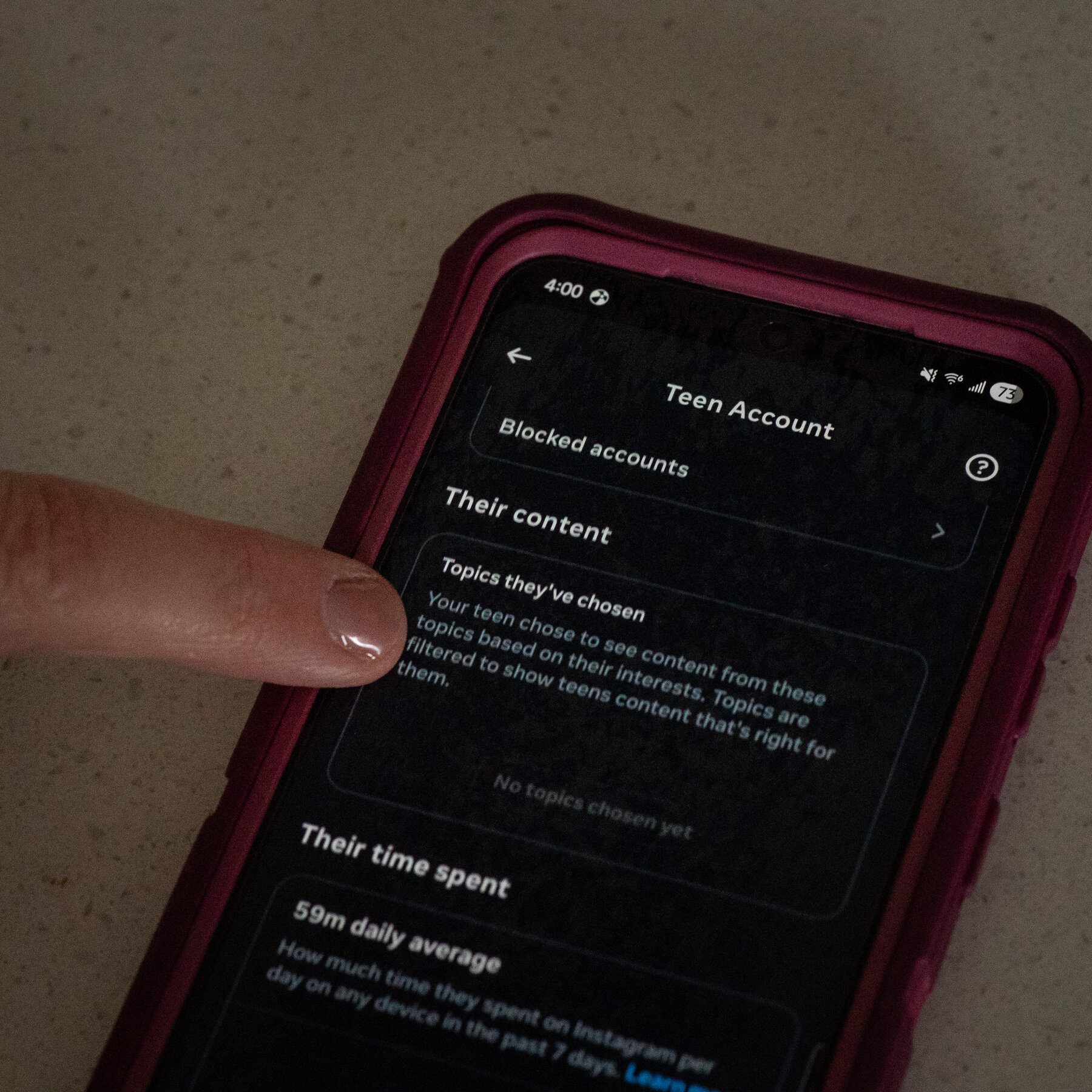
In 2024, Instagram, the social media platform owned by Meta, introduced Teen Accounts as a response to growing concerns about the privacy and safety of its teenage users. This move was part of a broader effort to address the challenges faced by young people navigating the digital landscape, particularly the risks associated with inappropriate content and online predation.
Initially, Instagram marketed these accounts with a "PG-13" branding, drawing a parallel to the motion picture rating system. The idea was to signal that the platform was creating a more controlled environment for teens, akin to a movie rated PG-13, which is intended for younger audiences but may contain content that is not suitable for younger children. However, this decision soon sparked controversy and legal pressure from the Motion Picture Association (MPA), the trade group representing the major studios.
The MPA, which owns and enforces the MPAA film rating system, objected to Instagram's use of the "PG-13" label in its marketing. The association argued that Instagram's branding was misleading and could be seen as an unauthorized use of the rating system. The MPA contended that the platform's marketing materials implied that the Teen Accounts were endorsed by the MPAA, which they were not.
In response to the legal pressure, Instagram decided to retreat from its use of the "PG-13" branding in its marketing materials. The company acknowledged the concerns raised by the MPA and stated that it had no intention of implying any endorsement from the MPAA. Instead, Instagram shifted its focus to emphasizing the privacy features and safety measures built into the Teen Accounts, such as stricter content moderation and enhanced parental controls.
The decision to abandon the "PG-13" branding highlighted the complexities of navigating the intersection of entertainment and technology in the digital age. While Instagram aimed to create a safer space for teenagers, its use of a well-known film rating system inadvertently drew it into a legal and reputational minefield. The incident underscored the need for platforms to be cautious when using established symbols or terminology, particularly when they are associated with influential organizations like the MPAA.
Moreover, the controversy raised questions about the effectiveness of such branding strategies in addressing the concerns of teenage users and their parents. Critics argued that the "PG-13" label was more about marketing than actual safety, and that Instagram needed to focus on substantive changes to its platform to ensure the well-being of its younger users.
In the aftermath of the legal challenge, Instagram continued to refine its approach to teen privacy and content moderation. The company introduced new features, such as the ability for parents to review their children's activity on the platform and the option for users to limit the visibility of their posts to a select group of friends. These updates were part of a broader strategy to build trust and demonstrate a commitment to the safety of its teenage users.
The "PG-13" branding controversy served as a cautionary tale for tech companies operating in the space of youth-oriented platforms. It highlighted the importance of clear communication, respect for intellectual property, and a genuine dedication to user safety. For Instagram, the lesson was that while marketing can play a role in shaping perceptions, it must be grounded in transparency and substance to be effective in the long run.









