How India Lights Up the Neighbourhood When the World Goes Dark
In an increasingly volatile world, where geopolitical conflicts disrupt global supply chains, India’s “Neighbourhood First” policy stands out as a model of proactive regional leadership. This approach prioritizes deep, mutually… The post How India Lights Up the Neighbourhood When the World Goes Dark appeared first on India Narrative .
In an increasingly volatile world, where geopolitical conflicts disrupt global supply chains, India's "Neighbourhood First" policy stands out as a model of proactive regional leadership. This approach prioritizes deep, mutually beneficial ties with South Asian neighbours—Bangladesh, Sri Lanka, Nepal, Bhutan, and the Maldives—through connectivity, trade, and crisis response. Nowhere is this more evident today than in India's swift fuel supplies amid the ongoing West Asia conflict, which has triggered fuel shortages across the region. By stepping up as a reliable energy partner, New Delhi is not only averting economic crises in its backyard but also reinforcing trust and stability.
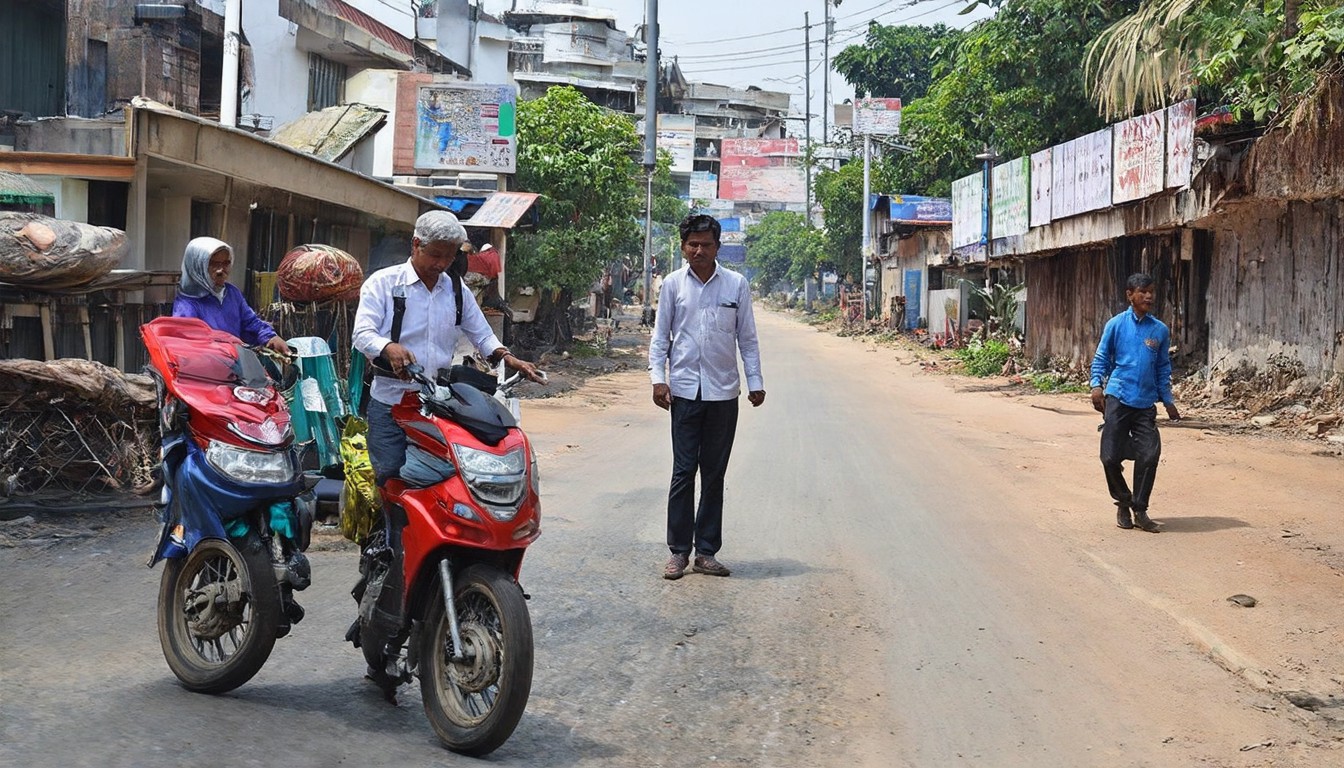
Recent actions speak volumes. On March 10th, India began pumping 5,000 metric tonnes of high-speed diesel to Bangladesh through the India-Bangladesh Friendship Pipeline, with another 5,000 tonnes following days later and plans for up to 45,000 tonnes more by April. This is part of a long-term agreement to supply 180,000 tonnes annually via the 131.5-km pipeline from Assam's Numaligarh Refinery to Parbatipur in northern Bangladesh. Operational since 2023, the pipeline—inaugurated as a symbol of bilateral friendship—has slashed transportation costs and times compared to rail tankers, ensuring steady commercial fuel flows since 2007. Bangladesh, heavily reliant on Middle East imports, faced acute shortages; India's intervention helped stabilize reserves without disrupting domestic priorities.
Similarly, on March 28th, India dispatched an emergency 38,000-metric-tonne fuel shipment to Sri Lanka—20,000 tonnes of diesel and 18,000 tonnes of petrol—via the Indian Oil Corporation's Lanka IOC unit. This arrived in Colombo just days after Prime Minister Modi and Sri Lankan President Anura Kumara Dissanayake discussed the disruptions caused by West Asia tensions. Sri Lanka's president publicly thanked Modi for the "swift support," underscoring the importance of India's role in stabilizing the region.
The "Neighbourhood First" policy is not just about fuel; it encompasses a range of initiatives aimed at fostering regional cooperation and resilience. For instance, India has been actively involved in infrastructure development projects in the region, such as the Asian Highways network, which aims to connect major cities across Asia, including those in South Asia. This not only enhances trade and connectivity but also strengthens the economic ties between nations.
Moreover, India has been a key player in crisis management efforts in the region. During the 2015 earthquake in Nepal, India provided immediate relief assistance, including medical teams, food, and shelter, which helped save countless lives. This commitment to regional solidarity has been a hallmark of India's foreign policy under the "Neighbourhood First" framework.
The policy's success is also evident in the way it has helped India position itself as a stable and reliable partner in a region that is increasingly vulnerable to external shocks. By prioritizing its neighbours, India has not only ensured its own strategic interests but also contributed to the overall stability and prosperity of the South Asian region.
In the face of global challenges, India's "Neighbourhood First" policy serves as a beacon of hope for regional cooperation and mutual benefit. It demonstrates that even in a world marked by uncertainty and conflict, it is possible to build strong, enduring relationships that prioritize the well-being of all parties involved. As the world continues to grapple with complex geopolitical issues, India's leadership in the region serves as a powerful example of how proactive engagement and collaboration can foster resilience and stability.