
How iNaturalist app users have fun while aiding science
The iNaturalist cellphone app not only helps users identify plant, animal and insect species; it also provides invaluable data to scientists studying biodiversity, species decline, and habitat loss - and, as Martha Stewart discovers, it's fun!
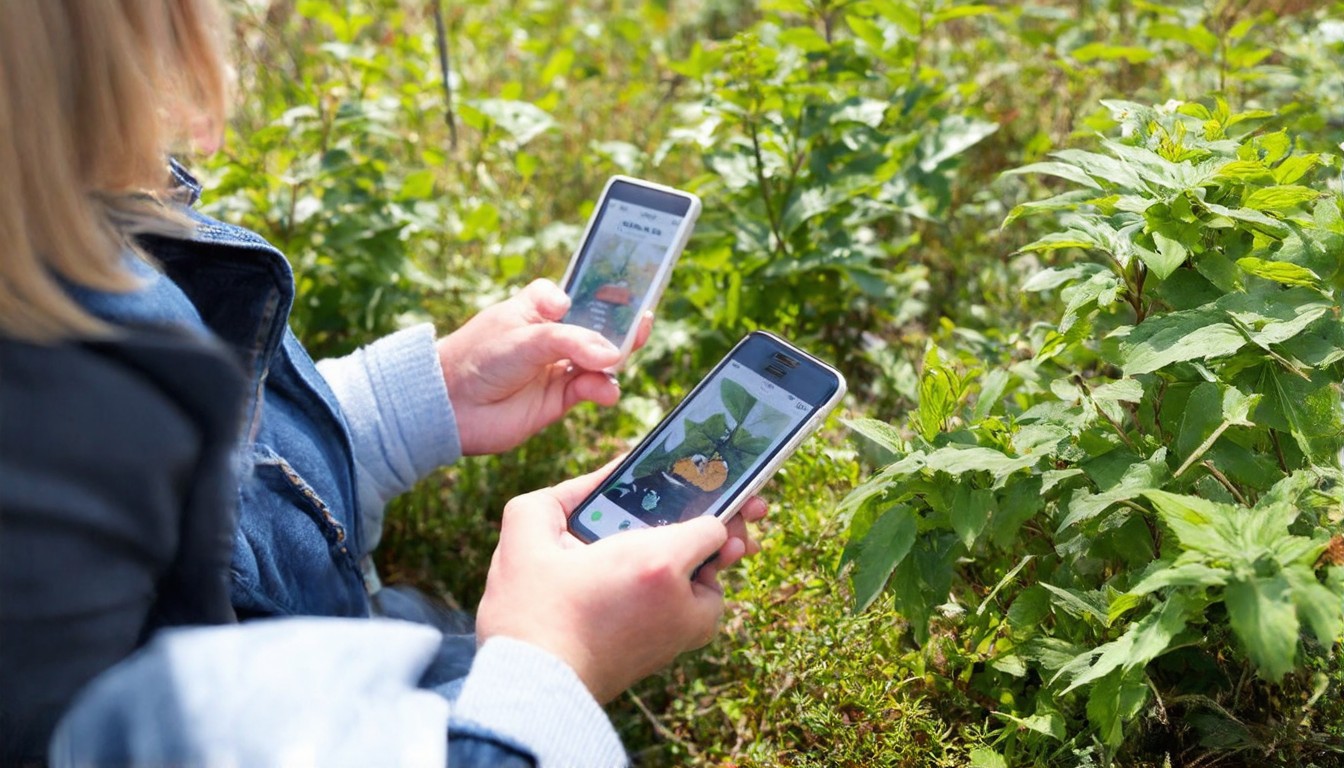
The iNaturalist app, a tool designed to help users identify species through their smartphones, has become more than just a fun pastime for nature enthusiasts. It has emerged as a critical resource for scientists studying biodiversity, species decline, and habitat loss. The app's dual purpose of entertainment and scientific contribution has been highlighted by Martha Stewart, who recently discovered the joy of using iNaturalist to explore the natural world while aiding scientific research.
iNaturalist was launched in 2008 by a group of biologists and designers, aiming to create a platform that bridges the gap between casual nature lovers and professional scientists. The app allows users to take photos of plants, animals, and insects, which are then uploaded to the iNaturalist database. These images are reviewed and identified by a global community of citizen scientists, who contribute to the app's vast repository of species data. This collaborative effort has resulted in a wealth of information that is invaluable to researchers studying biodiversity.
One of the key benefits of iNaturalist is its ability to collect data in real-time and across vast geographical areas. Scientists can use this information to track species distributions, monitor population changes, and assess the impact of habitat loss. For instance, data from iNaturalist has been used to study the decline of monarch butterflies, a species that has faced significant threats from habitat destruction and pesticide use. By providing accurate and up-to-date records of butterfly sightings, the app has helped researchers better understand the scale of the problem and inform conservation efforts.
In addition to its scientific value, iNaturalist offers a fun and engaging experience for users. The app's gamification features, such as badges and leaderboards, encourage users to explore new areas and discover a wider variety of species. This element of competition and achievement has attracted a diverse range of participants, from casual nature enthusiasts to experienced biologists. Martha Stewart, known for her love of cooking and gardening, recently shared her experience with iNaturalist, emphasizing how the app has introduced her to the wonders of the natural world in a way that is both educational and enjoyable.
The app's success is also a testament to the power of citizen science, a movement that leverages the public's passion for nature to contribute to scientific research. By harnessing the collective efforts of users around the world, iNaturalist has become a vital tool for scientists studying biodiversity. The app's data has been cited in numerous scientific publications, highlighting its credibility and impact.
However, the iNaturalist project is not without its challenges. One of the main concerns is the accuracy of the data collected. While the app's community of citizen scientists is generally reliable, there is always a risk of misidentification, especially for less experienced users. To address this, iNaturalist has implemented measures such as multiple reviews and expert verification for certain species.
Another challenge is the app's reliance on user participation. As with any citizen science project, the quality and quantity of data depend on the enthusiasm and dedication of the community. iNaturalist has worked to mitigate this by offering incentives, such as badges and recognition, to encourage continued participation.
Despite these challenges, the iNaturalist app continues to grow and evolve. Recent updates have introduced features such as augmented reality, which helps users identify species more accurately by overlaying information directly onto their smartphone screens. The app has also expanded its scope, incorporating data on fungi and even underwater species.
In conclusion, the iNaturalist app is more than just a fun way to explore the natural world; it is a powerful tool for scientific research. By combining the passion of casual users with the needs of professional scientists, the app has become an essential resource in the study of biodiversity. As Martha Stewart's experience demonstrates, iNaturalist offers a unique opportunity to enjoy the outdoors while contributing to important scientific endeavors. In an era where biodiversity is under threat, the app's ability to engage the public and provide valuable data makes it a valuable ally in the fight to protect our natural heritage.









