
How iNaturalist app users have fun while aiding science
The iNaturalist cellphone app not only helps users identify plant, animal and insect species; it also provides invaluable data to scientists studying biodiversity, species decline, and habitat loss - and, as Martha Stewart discovers, it's fun!
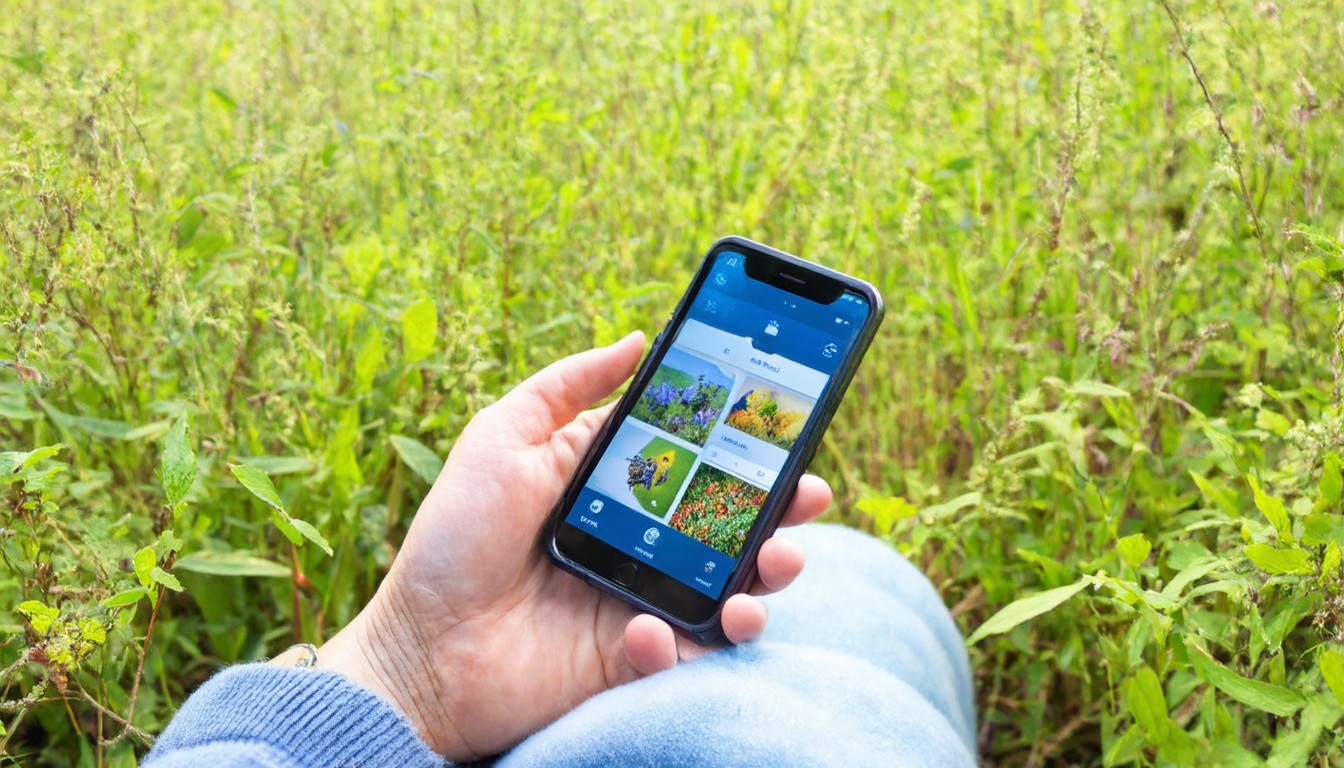
The iNaturalist app, a tool designed to help users identify species through their smartphones, has become more than just a fun pastime for nature enthusiasts. It has emerged as a critical resource for scientists studying biodiversity, species decline, and habitat loss. The app's dual purpose of entertainment and scientific contribution has been highlighted by Martha Stewart, who recently discovered the joy of using it to explore the natural world while aiding scientific research.
iNaturalist was launched in 2008 by a group of biologists and designers with a shared passion for nature and technology. The app allows users to take photos of plants, animals, and insects, which are then uploaded to a global database. This database is not only used to help users identify species but also serves as a valuable repository of data for researchers. By crowdsourcing observations from users around the world, iNaturalist has amassed a wealth of information that has been instrumental in understanding biodiversity patterns and tracking species movements.
One of the key ways iNaturalist aids science is by providing real-time data on species distributions. As users log their sightings, the app generates maps that show where certain species are found. This information is invaluable for ecologists studying habitat fragmentation and loss. For instance, researchers can use this data to identify areas where species are declining or becoming extinct, helping to inform conservation efforts.
Moreover, iNaturalist's data has been used in studies on climate change impacts on biodiversity. By tracking changes in species distributions over time, scientists can better understand how climate shifts are affecting ecosystems. This knowledge is crucial for predicting future biodiversity trends and developing effective conservation strategies.
The app's contribution to science is further enhanced by its collaborative nature. Users often engage in discussions about their sightings, sharing insights and expertise. This community aspect not only enriches the app's database but also fosters a sense of shared responsibility for environmental stewardship.
Martha Stewart's involvement with iNaturalist underscores the app's appeal to a wide audience. Known for her love of gardening and cooking, Stewart discovered iNaturalist through her interest in identifying local plants and insects. She found the app to be both educational and entertaining, allowing her to connect with nature in a meaningful way while contributing to scientific research.
Stewart's experience is not unique. iNaturalist has a diverse user base, ranging from casual nature lovers to professional biologists. The app's intuitive interface and engaging design make it accessible to users of all ages and backgrounds. This accessibility has led to a surge in biodiversity data, making iNaturalist a powerful tool for both casual users and professional researchers.
In conclusion, the iNaturalist app has transformed the way people interact with nature, blending leisure with scientific contribution. By providing a platform for users to identify species and log sightings, the app has become an invaluable resource for scientists studying biodiversity. The app's success, as exemplified by Martha Stewart's enthusiasm, shows that engaging in science can be fun and rewarding, encouraging more people to explore and protect the natural world. As the app continues to grow, its impact on both conservation and scientific understanding is likely to expand, highlighting the potential of technology to foster a deeper connection between people and nature.









