
How an unappetizing shrub became dozens of different vegetables
How a single unappetizing shrub became dozens of different vegetables.
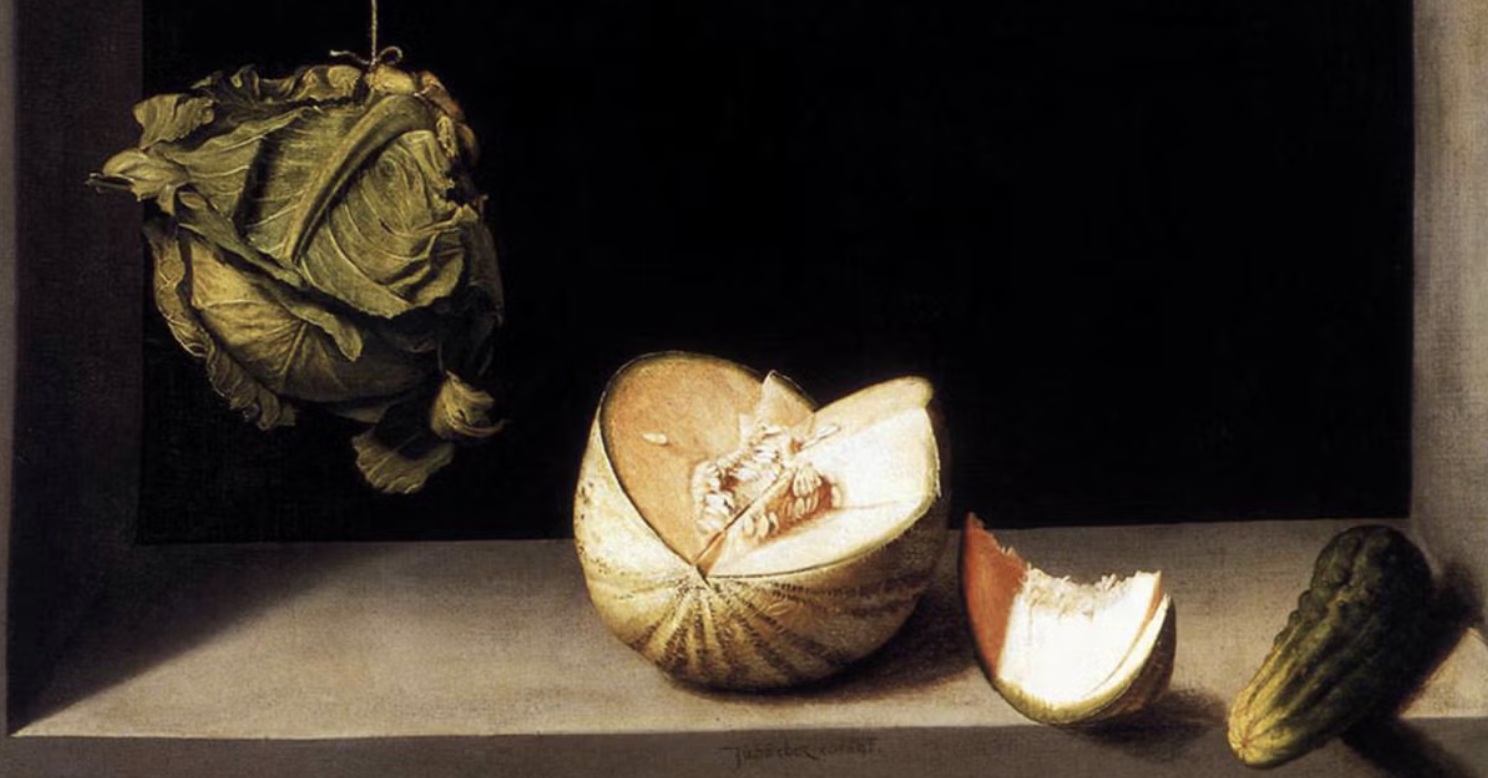
For centuries, the humble Brassica oleracea, or wild cabbage, has been the unsung hero of the vegetable garden. Once dismissed as an unappetizing weed, this single plant has been transformed through selective breeding into a diverse array of vegetables that dominate our plates today. From the dense heads of broccoli and cauliflower to the leafy greens of kale and collards, and even the unique swollen stems of kohlrabi, all can trace their origins back to this seemingly ordinary shrub.
The journey of Brassica oleracea began in the wild, where it grew in untamed fields and along the edges of forests. Its appearance was far from enticing: a cluster of coarse leaves and thick, purplish stems, not particularly inviting to early humans. Yet, despite its unassuming nature, the plant held potential that would be unlocked through human intervention.
As societies evolved, so too did the need for reliable food sources. Ancient farmers and foragers began to experiment with the wild cabbage, recognizing its adaptability and nutritional value. Over time, they selectively bred the plant, favoring certain traits that would eventually lead to the diverse vegetables we know today.
One of the first transformations was the development of cabbage and kale. By choosing plants with denser layers of leaves, early cultivators created a vegetable that could store nutrients and withstand harsh weather conditions. The thick, hearty leaves became a staple in many cultures, providing sustenance and sustaining communities.
Another significant shift came with the focus on the inflorescence of the wild cabbage. The dense bundle of small flowers that forms the head of cauliflower and broccoli was cultivated, leading to the creation of these popular vegetables. The selective breeding for these heads resulted in a plant that prioritized the formation of the edible inflorescence over the leaves, a testament to the power of human intervention in shaping the plant's architecture.
The thirteenth century saw the birth of Brussels sprouts, a testament to the ingenuity of farmers in modern-day Belgium. By favoring large, edible buds, they created a new variety that would become a beloved ingredient in many cuisines. This selective breeding not only altered the appearance of the plant but also its culinary uses, demonstrating the profound impact of human choice on the plant's evolution.
Brassica oleracea's transformation did not stop there. Under different selection pressures, the plant has become German kohlrabi, Chinese gai lan, or East African collard greens, each with its unique characteristics and culinary applications. This level of morphological diversity is unusual when compared to other crops. For instance, modern tomatoes may vary in size, shape, and color, but they remain recognizably tomatoes.
The domestication of Brassica oleracea has been a subject of scientific study since the 1920s. Researchers have combined modern genetics, genomics, and molecular biology with linguistic, historical, and sociological sources to unravel the complex story of this plant's evolution. By piecing together the genetic and cultural evidence, scientists are beginning to develop a more comprehensive understanding of how this single shrub became the foundation for so many of our favorite vegetables.
In conclusion, the story of Brassica oleracea is a remarkable example of the power of human intervention in shaping the natural world. From an unappetizing weed to a diverse array of vegetables, this plant has played a crucial role in the development of agriculture and nutrition. As we continue to explore the intricacies of its domestication, we gain not only a deeper appreciation for the plant's versatility but also a greater understanding of the interplay between humans and the natural world.









