
How an unappetizing shrub became dozens of different vegetables
How a single unappetizing shrub became dozens of different vegetables.
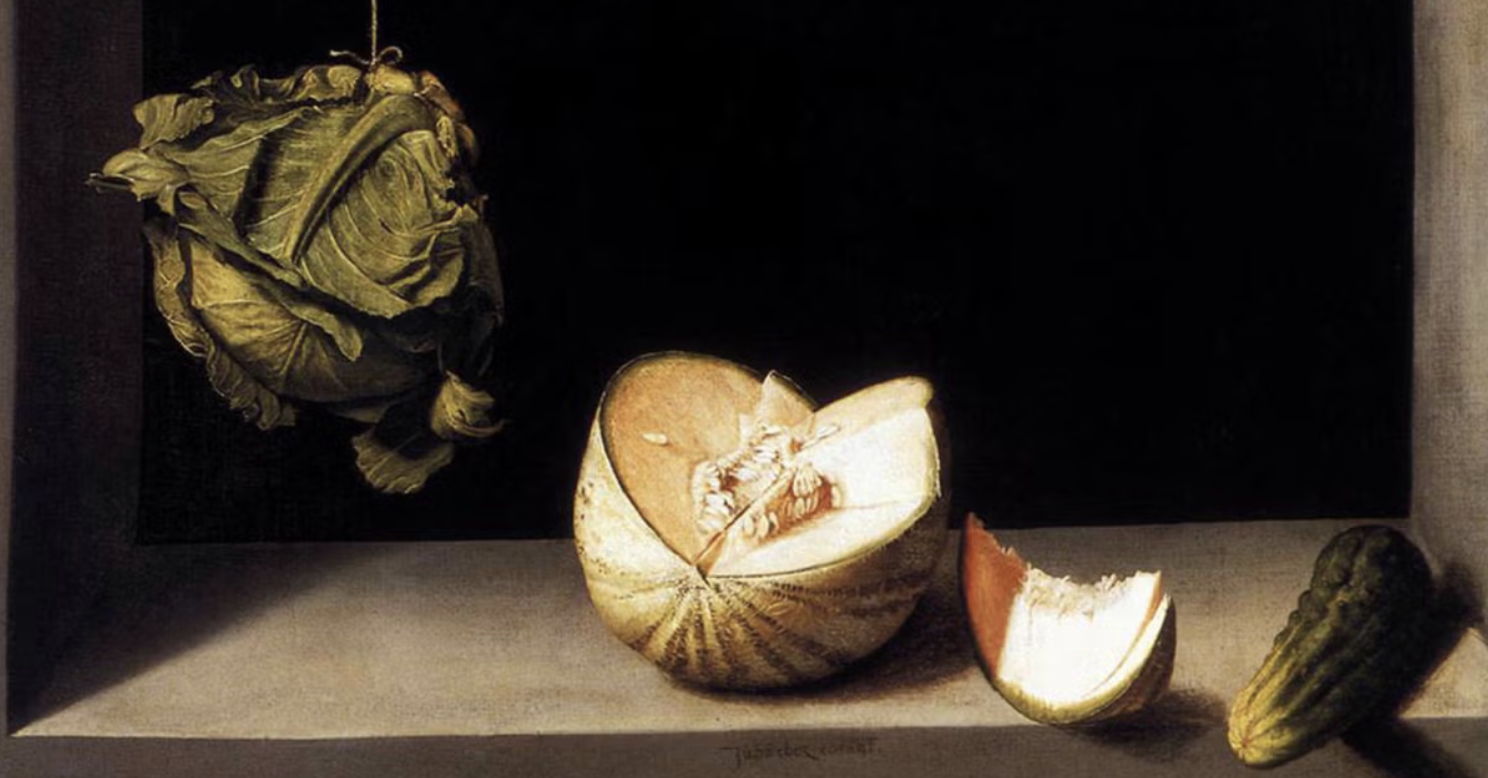
For centuries, the humble Brassica oleracea, or wild cabbage, has been the unsung hero of the vegetable garden. Once an unassuming weed, this single plant has been transformed through selective breeding into a diverse array of vegetables that grace our tables today. From the dense heads of broccoli and cauliflower to the leafy greens of kale and collard greens, and even the unique swollen stems of kohlrabi, all can trace their origins back to this seemingly unremarkable shrub.
Wild cabbage, with its untidy leaves and coarse stems, does not appear to hold much appeal. However, ancient cultures recognized the potential within this plant and began to experiment with selective breeding. By prioritizing certain traits over others, they inadvertently created the vegetables we know and love today.
The journey of Brassica oleracea began with the selection of plants with denser layers of leaves. This focus on leaf structure led to the development of modern cabbage and kale, both of which are cherished for their nutritional value and versatility in the kitchen. The process of selective breeding continued as different cultures favored different characteristics of the plant.
In the thirteenth century, farmers in the region that is now modern-day Belgium took notice of the edible buds of wild cabbage. They began to breed plants that produced larger, more prominent buds, eventually giving rise to Brussels sprouts. These small, nutritious buds became a staple in many cuisines, showcasing the incredible adaptability of this single plant.
As the centuries passed, Brassica oleracea continued to evolve under the influence of human selection. In Germany, farmers favored plants with swollen stems, leading to the development of kohlrabi – a unique vegetable with a sweet, slightly nutty flavor. Meanwhile, in China, the plant was selectively bred to produce more robust leaves, resulting in gai lan, a leafy green that is a popular ingredient in Chinese cuisine.
In East Africa, the same wild cabbage was transformed into collard greens, a staple in many dishes across the continent. The diversity of Brassica oleracea is truly remarkable, as it has been shaped into recognizable yet distinct forms that cater to the culinary preferences and dietary needs of various cultures.
This level of morphological diversity is unusual when compared to other domesticated plants. For instance, tomatoes, while they do vary in size, shape, and color, are still recognizable as tomatoes. In contrast, the different varieties of Brassica oleracea can sometimes appear as entirely separate vegetables, despite sharing a common ancestor.
The domestication of Brassica oleracea has been a subject of fascination for scientists since the 1920s. By combining modern genetics, genomics, and molecular biology with linguistic, historical, and sociological sources, researchers have begun to unravel the complex story of this plant's transformation.
Through painstaking study, scientists have pieced together the history of how Brassica oleracea was domesticated and how it has evolved over time. This interdisciplinary approach has provided valuable insights into the process of artificial selection and its impact on plant evolution.
In conclusion, the story of how an unappetizing shrub became dozens of different vegetables is a testament to the power of human ingenuity and the adaptability of nature. Brassica oleracea serves as a reminder of the incredible potential that lies within even the most unassuming of plants. As we continue to explore the intricacies of its domestication, we gain a deeper appreciation for the diverse and nutritious vegetables that have been a part of human diets for centuries.








