House Democrats to hold California 'shadow hearings' on midterm election security
House Democrats will hold informal hearings in California on midterm election security, following multiple threats of intervention in state-run voting by the Trump administration.
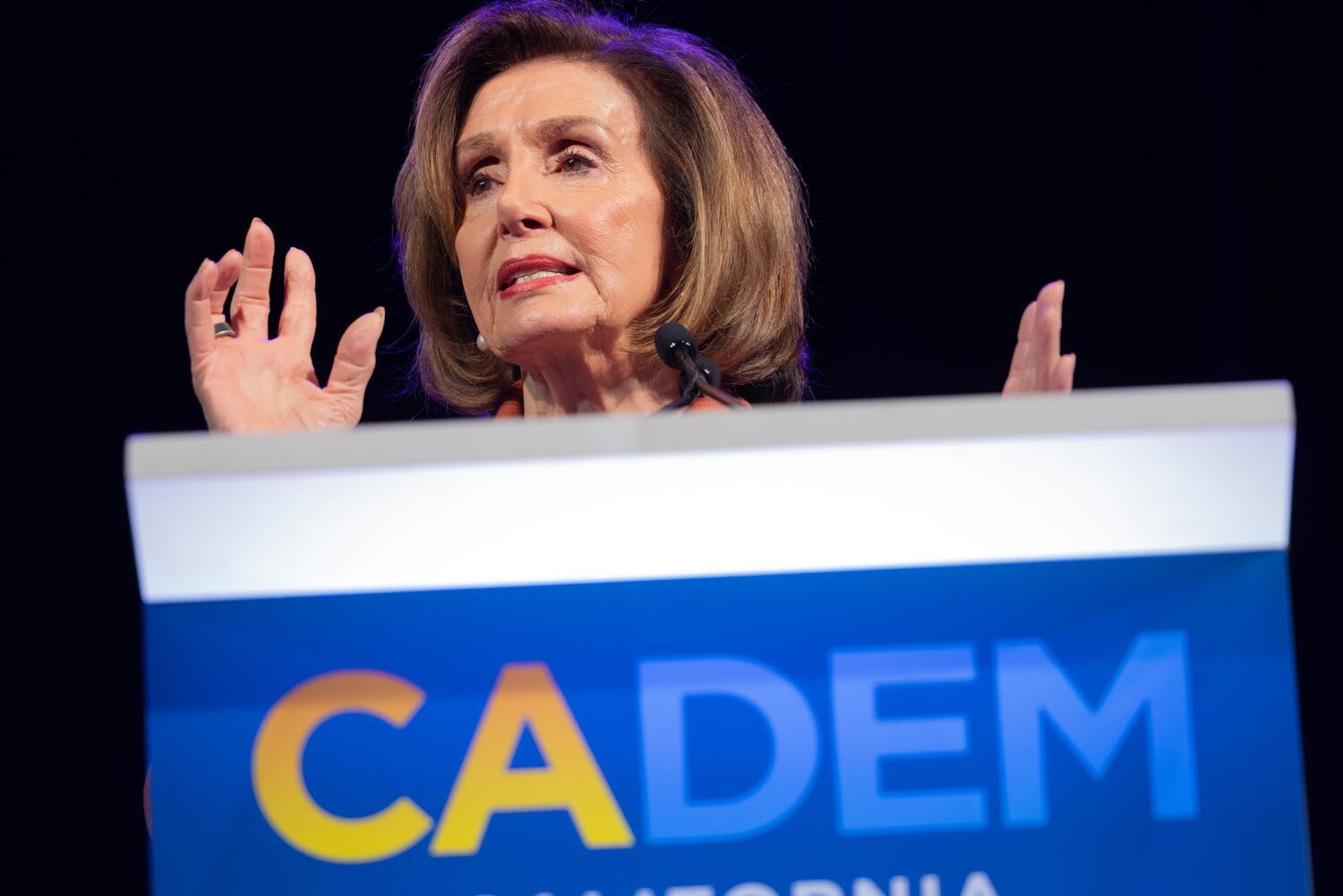
House Democrats are set to hold informal hearings in California, dubbed "shadow hearings," to address concerns about election security ahead of the midterm elections. These hearings come as a direct response to the Trump administration's repeated threats of intervention in state-run voting processes. The move reflects a growing sense of urgency among Democrats to safeguard the integrity of the electoral process amidst heightened political tensions.
The decision to hold these shadow hearings in California is not coincidental. The state has been a focal point for election security debates, particularly since the 2020 presidential election, which saw a significant number of ballots cast by mail due to the COVID-19 pandemic. Critics of the Trump administration have accused it of attempting to undermine state voting systems, citing instances of interference and misinformation campaigns. In response, Democrats are taking proactive steps to ensure that the upcoming midterm elections, which are pivotal for determining the balance of power in Congress, are conducted fairly and securely.
The shadow hearings will likely focus on a range of issues, including the potential vulnerabilities in state voting systems, the role of foreign interference, and the impact of disinformation campaigns. Lawmakers and experts are expected to discuss strategies for mitigating these threats and ensuring that the electoral process remains resilient against attempts at manipulation. The hearings will also serve as a platform for highlighting the importance of election security and the need for bipartisan cooperation to address these challenges.
One of the key concerns highlighted by Democrats is the Trump administration's repeated attempts to discredit the election process. Since leaving office, former President Trump has made numerous false claims about voter fraud and election irregularities, which have been widely debunked by fact-checkers and experts. These allegations have fueled fears that the Trump camp may attempt to interfere in state elections, potentially undermining public trust in the democratic process.
In addition to addressing threats from external actors, the shadow hearings will also examine the challenges posed by domestic extremism. Recent events, such as the January 6th attack on the U.S. Capitol, have underscored the risks associated with political polarization and the potential for violence during elections. Democrats are likely to call for enhanced security measures and increased collaboration between state and federal authorities to prevent such incidents from recurring.
The shadow hearings will also touch on the role of technology in election security. With more voters opting for online and mail-in voting options, there is a growing concern about the vulnerability of these systems to cyber attacks. Experts will discuss the need for robust cybersecurity measures and the importance of investing in secure voting infrastructure. Additionally, the hearings may address the challenges posed by the proliferation of misinformation and the role of social media platforms in shaping public opinion.
The decision to hold these informal hearings in California is part of a broader strategy by House Democrats to take a proactive stance on election security. By organizing these shadow hearings, they aim to raise public awareness about the risks associated with election interference and to pressure lawmakers to take concrete actions to address these concerns. The hearings will also serve as a platform for Democrats to counter the Trump administration's narrative and to reaffirm their commitment to protecting the democratic process.
In conclusion, the House Democrats' decision to hold shadow hearings in California on midterm election security reflects a growing recognition of the threats posed to the electoral process. As the midterm elections approach, the need for robust election security measures has never been more critical. These hearings will provide a crucial opportunity for lawmakers, experts, and the public to engage in meaningful discussions about the steps necessary to safeguard democracy in the face of mounting challenges. The outcome of these hearings could have a significant impact on the direction of election security policies in the United States, and the lessons learned may be applied to future elections to ensure their fairness and integrity.