Horrors in Sudan Highlight Deterioration of Western Diplomatic Corps
Decades of neglect have hollowed out expertise and experience.
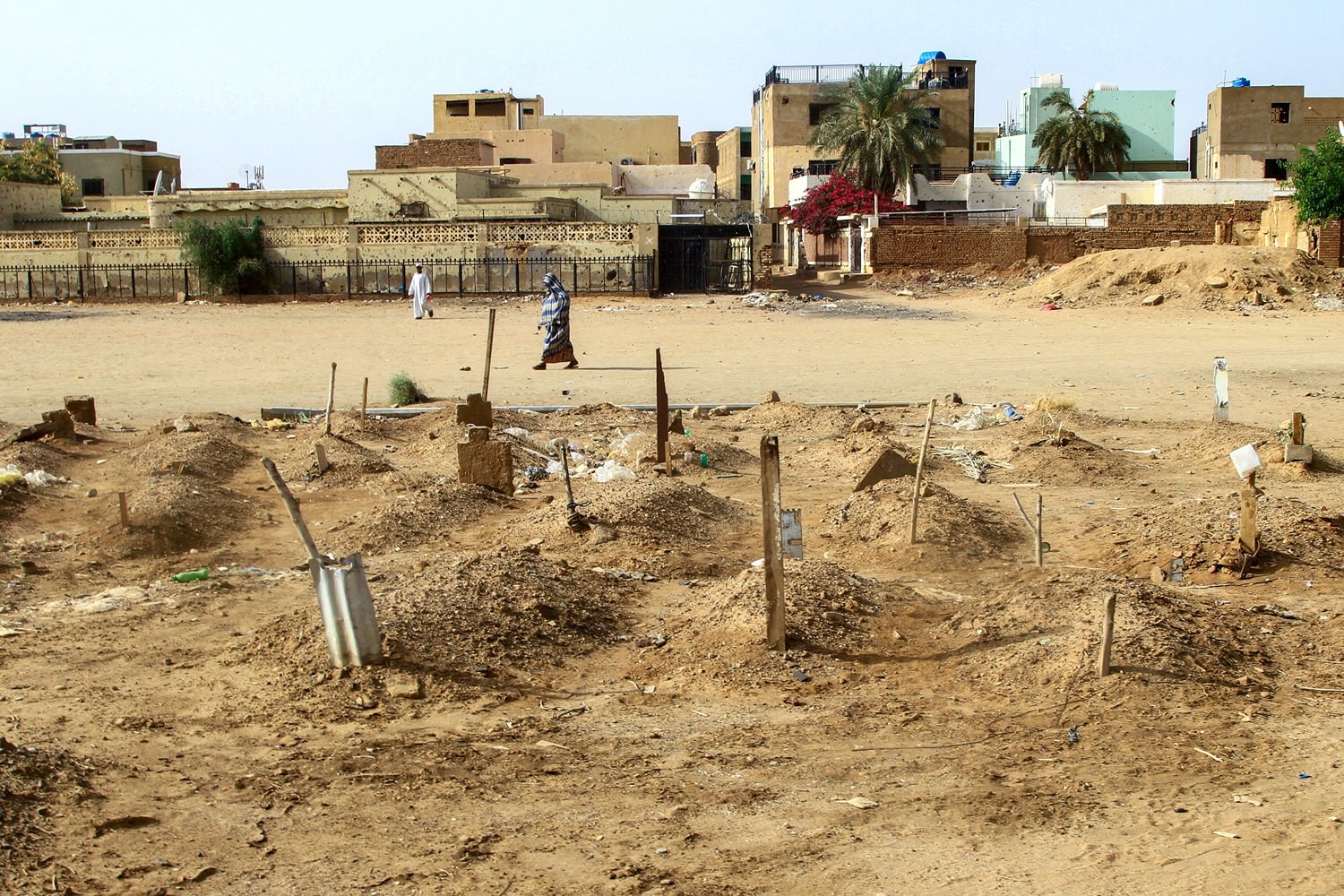
In recent years, the crisis in Sudan has become a stark reminder of the deterioration of the Western diplomatic corps. As the conflict in Sudan intensifies, the lack of experienced and knowledgeable diplomats has left a significant gap in the ability of Western nations to navigate the complex political landscape. This situation is a direct result of decades of neglect, which has eroded the expertise and experience that once defined the diplomatic community.
The roots of this decline can be traced back to the 1990s, when many Western governments began to downsize their diplomatic missions in Sudan. This was partly due to the belief that the country was moving towards stability under the leadership of Omar al-Bashir. However, this optimism proved to be misplaced, as Sudan's political situation continued to deteriorate. As a result, the diplomatic community in Sudan was left with a skeleton crew of diplomats who lacked the necessary expertise to manage the escalating crisis.
The consequences of this neglect are now becoming all too apparent. As the conflict in Sudan has intensified, Western diplomats have struggled to understand the nuances of the local political dynamics. This has led to a lack of coherent strategies and a failure to effectively coordinate relief efforts. Furthermore, the absence of experienced diplomats has made it difficult for Western governments to build meaningful relationships with key Sudanese stakeholders, which is crucial for any peace process.
The deterioration of the Western diplomatic corps in Sudan is not unique to this country. Many other regions around the world are facing similar challenges due to budget cuts and a lack of investment in diplomatic training. This has resulted in a shortage of seasoned diplomats who can navigate complex political environments and negotiate effectively.
The consequences of this shortage are far-reaching. In regions like Sudan, where conflicts are often deeply rooted in local politics and history, the absence of experienced diplomats can exacerbate tensions and hinder efforts to find sustainable peace solutions. Moreover, the lack of expertise can lead to misguided policies and a failure to address the root causes of conflict.
To address this issue, Western governments must recognize the importance of investing in their diplomatic corps. This includes providing adequate funding for diplomatic missions, offering competitive salaries and benefits to attract and retain talented diplomats, and investing in training programs to ensure that diplomats have the necessary skills and knowledge to manage complex political situations.
In the case of Sudan, this means rebuilding the diplomatic community with a focus on recruiting experienced and knowledgeable diplomats who understand the local context. This will require a significant investment of time and resources, but it is a necessary step to ensure that Western nations can effectively respond to the challenges posed by the crisis in Sudan.
Ultimately, the deterioration of the Western diplomatic corps in Sudan is a warning sign for the international community. It highlights the dangers of neglecting diplomacy and the importance of investing in the expertise and experience of those who are tasked with managing global conflicts. By taking steps to rebuild and strengthen the diplomatic community, Western nations can better address the challenges of our time and work towards a more stable and peaceful world.